
Maintaining your quality of life as you age requires a holistic approach. Physical activity is a huge part of that, but it’s deeply connected to your mental well-being, your nutrition, and the safety of your home environment. When mobility becomes a challenge, it can feel like it affects every aspect of your life. That’s why finding solutions requires looking at the bigger picture. This guide offers a comprehensive look at ‘cómo mejorar la movilidad en adultos’, covering everything from adaptive equipment and low-impact exercises to the importance of building a strong emotional support system to help you manage these life changes with confidence.
 As we age, staying physically active plays a crucial role in both physical and mental well-being. Movement helps improve circulation, maintain strength, and boost overall mood. However, when mobility becomes a challenge due to age, injury, arthritis, or other health conditions, many seniors find it difficult to stay as active as they once were. Reduced mobility doesn’t mean giving up on exercise altogether. On the contrary, staying active in ways that fit individual abilities can enhance the quality of life, improve mental well-being, and even slow the progression of certain health conditions. The key is to find safe and enjoyable activities that match physical capabilities while keeping the body and mind engaged.
Table of Contents
- Common Mobility Challenges
- Safe and Effective Ways to Stay Active
- The Role of Daily Movement
- Using Adaptive Equipment for Physical Activity
- Finding Support with Blue Moon Senior Counseling
- Frequently Asked Questions
Common Mobility Challenges
Many factors contribute to limited mobility, including:
- Arthritis and Joint Pain – Stiffness and discomfort in the joints can make movement painful.
- Balance and Stability Issues – A fear of falling can discourage seniors from physical activity.
- Chronic Conditions – Conditions like Parkinson’s, multiple sclerosis, or stroke-related complications can impact movement.
- Muscle Weakness and Fatigue – Aging naturally leads to muscle loss, making it harder to engage in prolonged activity.
- Injury or Recovery from Surgery – Healing from an injury or medical procedure can temporarily limit physical activity.
While these challenges may make exercise seem intimidating, modifying activities to accommodate individual needs can make staying active easier and more enjoyable.
Causes of Decreased Mobility
Understanding why mobility decreases is the first step toward addressing it. As people get older, it’s natural to lose some ability to move as easily as before. However, this change is often accelerated by specific physical and psychological factors. Mobility problems can make it hard to perform daily tasks, which in turn reduces independence and can lower a person’s overall quality of life. Recognizing the root causes can help you or your loved one find the right strategies to stay active and engaged, preserving both physical function and emotional health through the aging process.
Physical Factors
Several physical conditions common in older adults can directly impact mobility. Chronic diseases like arthritis, osteoarthritis, and osteoporosis often lead to pain, stiffness, and weakened muscles, making simple movements a challenge. These conditions can create a difficult cycle where pain discourages activity, and inactivity leads to more stiffness and weakness. Beyond specific diseases, the natural aging process contributes to a gradual loss of muscle mass and bone density. This can affect balance, strength, and endurance, making it harder to walk, climb stairs, or even stand for long periods without feeling fatigued or unsteady.
Psychological Factors
The mind and body are deeply connected, and psychological factors play a significant role in mobility. When moving becomes difficult or painful, it’s common to develop a fear of falling, which can lead to avoiding physical activity altogether. This reduction in independence can also have a profound emotional impact, contributing to feelings of loneliness, frustration, and isolation. The inability to participate in once-loved hobbies or social outings can affect self-esteem and may lead to anxiety or sadness. Addressing these emotional responses is just as important as managing the physical symptoms when you cope with the aging process.
The Consequences of Poor Mobility
When mobility declines, the effects ripple through every aspect of life, impacting both physical health and emotional well-being. A sedentary lifestyle can accelerate the progression of chronic health issues and introduce new ones. It also affects mental health, as the loss of independence and social connection can take a heavy toll. Recognizing these consequences highlights the importance of finding safe ways to remain active. Even small, consistent movements can make a significant difference in maintaining health, preserving independence, and enhancing overall quality of life for years to come.
Physical Health Impacts
A lack of regular movement can worsen the very conditions that limit mobility in the first place. Inactivity often leads to increased joint stiffness, muscle atrophy, and reduced cardiovascular health. This can create a downward spiral where physical ability continues to decline, making it even harder to get back on track. On the other hand, incorporating specific, gentle exercises into a daily routine can greatly improve how an older adult moves. Regular, appropriate physical activity helps prevent the stiffness and weakness that often come with getting older, improving balance, reducing the risk of falls, and maintaining strength for daily tasks.
Mental and Emotional Well-being
The emotional consequences of poor mobility are just as serious as the physical ones. Being unable to leave the house easily can lead to profound senior isolation and deep loneliness, which are significant risk factors for depression and anxiety. The loss of autonomy and the need to rely on others can damage self-worth and create feelings of being a burden. At Blue Moon Senior Counseling, we understand how these life changes can affect your mental health. Our individual teletherapy sessions provide a safe space to discuss these challenges. Talking with a therapist can help you develop coping skills and find new sources of joy and purpose, and it is a Medicare Part B covered service.
The Role of Nutrition in Maintaining Mobility
What you eat has a direct impact on how well you move. Think of food as the fuel that powers your body’s ability to walk, stretch, and stay balanced. As we age, our nutritional needs change, and focusing on a diet that supports bone density and muscle strength becomes even more important. This isn’t about restrictive eating; it’s about making smart, intentional choices that work in tandem with physical activity to keep you strong and independent. A well-balanced diet provides the essential building blocks your body needs to repair tissues, reduce inflammation, and maintain the physical resilience required for an active lifestyle.
Beyond just muscles and bones, good nutrition is fundamental to your overall energy and well-being. A diet rich in essential nutrients can help manage the chronic inflammation that often contributes to joint pain and stiffness, making movement more comfortable. When you feel physically better and have more energy, it can profoundly affect your mood and mental outlook. Making positive dietary changes is an empowering step you can take to support your health, giving you a greater sense of control, especially when you are coping with illness or other physical challenges. It’s a key component of a holistic approach to aging well.
Key Nutrients for Bone and Muscle Health
To keep your body strong, it helps to focus on a few key nutrients. Calcium and Vitamin D are a powerhouse duo for bone health, found in low-fat dairy, leafy greens, and fatty fish. Protein is another crucial element for preserving the muscle mass that supports your joints and powers your movements; you can get it from lean meats, beans, and legumes. Reducing inflammation also makes a significant difference, and antioxidants are your best friend in this fight. Found in colorful fruits and vegetables, they help protect your body from the oxidative stress that can worsen joint pain. As the National Institute on Aging highlights, making smart food choices is one of the most effective ways to support your health and physical function as you get older.
Safe and Effective Ways to Stay Active
Even with mobility limitations, there are plenty of ways to incorporate movement into daily life. The key is finding exercises that are low-impact, adaptable, and safe while still providing the physical and mental benefits of movement. And according to the CDC, seniors who engage in regular physical activity can experience a wide range of health benefits, including a reduced risk of dementia and depression, improved heart health, better sleep quality, stronger bones, and a lower likelihood of falls. Staying active also helps maintain independence and supports overall well-being. Staying active doesn’t mean following a strict exercise regimen; it’s about finding enjoyable ways to move that help maintain strength, flexibility, and independence. Adapting exercises to individual needs is crucial. Seniors should listen to their bodies, focus on what feels comfortable, and avoid pushing through pain.
Guidelines for Exercising Safely
Starting a new activity is exciting, but it’s essential to approach it with safety in mind. Following a few simple guidelines can help you get all the benefits of exercise while minimizing the risk of injury. Think of these as your personal roadmap to moving more and feeling better, ensuring your efforts support your long-term health and independence. By being mindful and prepared, you can create a routine that feels good and works for your body, not against it. This thoughtful approach makes physical activity a sustainable and enjoyable part of your life, rather than a chore or a source of stress.
Consult a Professional First
Before you jump into a new exercise plan, it’s a great idea to chat with your doctor or a physical therapist. They can help you understand your body’s current capabilities and limitations. As health professionals often advise, “factors like age, past surgeries, or previous jobs can affect” how much you can safely move. A professional can offer personalized advice, suggesting modifications for certain exercises or helping you set realistic goals. This step isn’t about holding you back; it’s about empowering you to start safely and build a routine that truly works for you.
Listen to Your Body
One of the most important rules of any physical activity is to pay attention to the signals your body sends you. It’s crucial to “focus on what feels comfortable, and avoid pushing through pain.” There’s a big difference between the gentle muscle soreness that comes from a good workout and the kind of sharp pain that indicates an injury. If something doesn’t feel right, it’s okay to stop, rest, and reassess. Some days you’ll have more energy than others, and honoring that is a sign of strength, not weakness. This practice of self-awareness helps prevent injuries and makes exercise a more positive and sustainable experience.
Consistency is Key
When it comes to exercise, consistency beats intensity every time. You don’t need to do long, strenuous workouts to see benefits. Instead, focus on creating a regular habit. As experts suggest, “regular exercise helps prevent stiffness and weakness that often come with getting older,” and aiming for activity 3-4 times a week is a great goal. Finding a routine you enjoy and can stick with is what builds momentum and leads to lasting results. This steady approach not only strengthens your body but also supports your mental well-being by providing structure and a sense of accomplishment, which is a fantastic tool for stress management.
Chair Exercises
Chair-based workouts are an excellent way for seniors to stay active while minimizing strain on joints and muscles. These exercises are ideal for those who need support while moving or who may not feel comfortable standing for long periods. Chair exercises promote circulation, improve flexibility, and help maintain muscle strength, all from a seated position.
Examples of Chair Exercises:
- Seated Leg Lifts – Strengthens leg muscles, improves circulation, and supports mobility.
- Chair Marching – Increases heart rate, promotes cardiovascular health, and enhances endurance.
- Arm Raises with Light Weights – Maintains upper body strength and helps with daily activities like lifting objects.
- Seated Twists – Engages core muscles, improves spinal flexibility, and supports digestion.
- Ankle and Foot Rolls – Reduces stiffness and improves circulation in the lower legs.
Chair exercises are also great for those recovering from surgery or experiencing temporary mobility challenges. They provide a safe, controlled way to keep the body active without increasing the risk of falls or strain.
Gentle Stretching and Flexibility Work
Stretching is a simple yet powerful way to improve mobility, prevent stiffness, and promote relaxation. Even a few minutes of gentle stretching each day can increase range of motion, improve posture, and reduce discomfort from prolonged sitting or inactivity.
Examples of Simple Stretches:
- Neck Tilts and Shoulder Rolls – Relieve tension in the upper body, which can build up from stress or poor posture.
- Seated Hamstring Stretch – Helps keep leg muscles flexible and supports walking ability.
- Wrist and Ankle Rotations – Improve circulation, reduce swelling, and help with joint mobility.
- Overhead Arm Stretch – Enhances shoulder flexibility and reduces stiffness.
Stretching is particularly beneficial in the morning to ease morning stiffness and in the evening to help the body relax before bed. Deep breathing while stretching can also enhance relaxation and mental clarity.
Specific Joint Mobility Exercises
Joint mobility exercises are gentle movements designed to take your joints through their full range of motion. Think of them as a way to lubricate your joints, which helps reduce stiffness and prevent pain. Unlike stretching, which focuses on lengthening muscles, these exercises are all about maintaining healthy, functional joints. Incorporating simple movements like wrist circles, ankle pumps, and shoulder rolls into your daily routine can make a significant difference. These exercises help with everyday tasks like reaching for something on a shelf or bending down to tie your shoes. The National Institute on Aging highlights how such flexibility and balance exercises are crucial for preventing injuries and staying independent as you get older.
Radio Taiso
For a more structured and engaging routine, you might enjoy Radio Taiso. Originating in Japan, Radio Taiso is a series of gentle, low-impact calisthenics often performed to music and broadcast over the radio or television. The exercises are designed to be accessible to everyone, regardless of age or fitness level, with many movements easily adapted for a seated position. A typical session lasts only a few minutes but works the entire body, focusing on improving flexibility, circulation, and balance. The daily ritual of Radio Taiso can also provide a comforting structure and a positive way to start the day, which can be especially helpful when dealing with feelings of isolation or a low mood. You can find many guided Radio Taiso videos online to follow along from the comfort of your home.
Strength Training for Limited Mobility
Strength training is essential for maintaining muscle mass, improving balance, and supporting daily activities. Many seniors worry that strength training requires heavy lifting, but even light resistance can make a significant difference. Ways to Build Strength:
- Use Light Dumbbells or Resistance Bands – Helps maintain arm and shoulder strength for carrying groceries or lifting household items.
- Seated Leg Presses with a Resistance Band or Towel – Strengthens legs, improving mobility and circulation.
- Isometric Exercises (holding a position, such as pressing hands together) – Engages muscles without excessive movement, making it ideal for those with joint pain.
A physical therapist or trained instructor can provide guidance on the best strength-training exercises for specific mobility concerns.
Water-Based Exercises
For those who have access to a pool, water-based exercises are one of the best options for low-impact movement. The buoyancy of water reduces pressure on joints, making it easier to move without discomfort. Water resistance also naturally strengthens muscles without requiring additional weights.
Benefits of Water Exercise:
- Reduces joint pain and stiffness – Ideal for those with arthritis or chronic pain.
- Improves circulation and heart health – Supports cardiovascular function with gentle movement.
- Provides natural balance support – Reduces the risk of falls, as the water supports body weight.
- Enhances flexibility and range of motion – Helps improve mobility in a pain-free environment.
Many community pools and senior centers offer aqua therapy or water aerobics classes designed specifically for older adults with mobility limitations.
Mind-Body Activities
Activities that combine movement with mindfulness can be highly effective in improving mobility, reducing stress, and enhancing emotional well-being. These exercises help seniors stay active while also promoting relaxation and focus.
Examples Include:
- Tai Chi – A gentle, flowing movement practice that enhances balance, coordination, and relaxation. It has been shown to reduce fall risk in older adults.
- Yoga (Modified for Seniors) – Increases flexibility, reduces stiffness, and promotes overall well-being. Many seated or chair-based yoga routines are available.
- Breathing Exercises and Meditation – Helps improve focus, reduce anxiety, and support respiratory health.
Mind-body activities are a great option for seniors who want to stay active but prefer low-impact, soothing exercises.
Low-Impact and Social Activities
Staying active is not just about moving your body; it’s also a wonderful opportunity to connect with others. Low-impact activities are especially great for this because they are gentle on the joints while often taking place in group settings. Joining a class or finding an exercise partner can transform physical activity from a chore into a fun social outing. This combination of movement and social interaction is incredibly powerful for mental well-being, helping to combat feelings of isolation and build a sense of community. Finding an activity you genuinely enjoy with people whose company you like can provide the motivation to stay consistent and engaged, benefiting both your body and your spirit.
Examples of Low-Impact Activities
Many of the gentle exercises already mentioned are perfect for social engagement. Instead of practicing alone, consider looking for group classes at local senior centers, community gyms, or even online communities. This adds a layer of accountability and fun to your routine.
- Group Water Aerobics: Community pools often host classes specifically for seniors, creating a supportive and friendly atmosphere.
- Chair Yoga or Tai Chi Classes: These mind-body practices are frequently offered in group settings, allowing you to learn and practice alongside peers.
- Walking Groups: Find a friend or join a local group for gentle walks in a park or neighborhood. The conversation can make the time fly by.
- Community Gardening: Tending to a garden involves gentle stretching and movement, and doing it in a community plot is a great way to meet neighbors.
The Role of Daily Movement
In addition to structured exercises, incorporating small lifestyle adjustments can make a big difference in staying active. Movement doesn’t always have to come from a formal workout—daily activities contribute to overall mobility and well-being.
Ways to Incorporate More Movement:
- Stand up and stretch every 30–60 minutes if sitting for long periods.
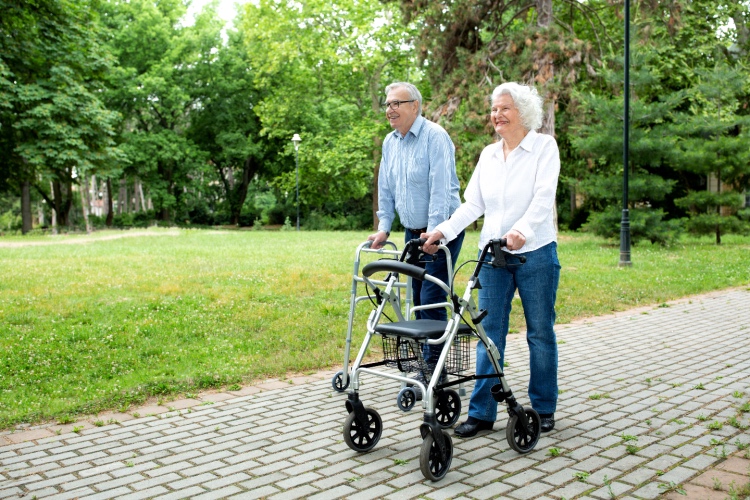
- Use handrails or walkers for short strolls around the house or yard.
- Engage in household activities such as light cleaning, organizing, or cooking.
- Practice gentle seated movements during television breaks or while talking on the phone.
Even if mobility is significantly limited, small, frequent movements help prevent stiffness, improve circulation, and promote a sense of independence.
Creating a Safe Home Environment
A supportive home environment is fundamental to staying active and maintaining independence. When your living space feels secure, it builds the confidence needed to move around freely, even with mobility limitations. This sense of safety is not just about preventing physical injury; it’s also crucial for your mental well-being. The fear of falling is a common and valid concern that can lead to reduced activity and increased isolation. By proactively making your home safer, you create a foundation that encourages movement, reduces anxiety, and empowers you to continue living comfortably and confidently in a familiar space.
Creating this safe haven doesn’t have to involve expensive or complicated renovations. Often, the most effective changes are simple and thoughtful adjustments to your current layout. The goal is to identify and minimize potential hazards, making everyday tasks easier and safer to perform. By taking practical steps to prevent accidents, you can build the confidence required to stay engaged with daily life and continue the activities you enjoy. These modifications are an investment in your long-term independence and overall quality of life, helping your home remain a place of comfort and security.
Simple Modifications to Prevent Falls
Making your home safer is one of the most effective ways to prevent falls and support your mobility. Start by ensuring all pathways are clear of clutter, such as electrical cords, stacks of papers, and small furniture. Loose rugs are a significant tripping hazard, so either remove them or secure them firmly to the floor with double-sided tape. Good lighting is also key; place bright, easy-to-reach lamps in every room and consider adding automatic nightlights in hallways, bedrooms, and bathrooms to illuminate your path during the night. These straightforward changes can dramatically improve your safety and confidence at home.
Focus on high-risk areas like bathrooms and stairways. Installing sturdy grab bars in the shower and next to the toilet provides essential support. Ensure stairways have solid handrails on both sides and are well-lit from top to bottom. It’s also helpful to keep frequently used items in easily accessible cabinets and shelves to avoid the need for step stools. Adjusting to new physical limitations can be an emotional process, and if you find yourself struggling, talking with a professional can help you cope with these life changes and find new strategies for maintaining your well-being.
Using Adaptive Equipment for Physical Activity
For seniors with significant mobility limitations, adaptive fitness tools can make movement easier and safer. These devices offer extra stability, reduce strain, and provide support while staying active.
Examples of Adaptive Equipment:
- Grab Bars and Railings – Provide support for standing exercises and mobility assistance.
- Pedal Exercisers – Allow seated cycling movements to improve circulation and leg strength.
- Resistance Bands – Offer gentle strength training without the need for heavy weights.
- Walker or Cane-Based Exercises – Help with balance and support movement without excessive strain.
Using adaptive equipment increases confidence in movement while minimizing the risk of injury. Many physical therapists and senior fitness instructors can provide recommendations on which equipment is best suited for individual needs.
Additional Mobility Aids
Beyond tools for exercise, several mobility aids can make daily life safer and more manageable. Using these aids can significantly enhance independence and reduce the risk of falls, which is often a major source of anxiety. For those who need a little extra stability, canes and walkers provide reliable support while walking. For individuals who find it difficult to walk long distances, wheelchairs and rollators—which often come with a built-in seat for resting—can be liberating, making it possible to enjoy outings and social activities without fear of fatigue.
For homes with multiple levels, stairlifts can be a game-changer, eliminating one of the most common household hazards. The goal of these tools is not to limit you, but to empower you. Embracing a mobility aid is a proactive step toward maintaining your freedom and confidence. Properly choosing the right device ensures you can continue to move through your world safely and with greater ease, supporting both your physical and emotional well-being.
Building a Strong Support System
Facing mobility challenges can feel isolating, but you don’t have to manage it alone. Building a strong support system is one of the most effective ways to stay motivated, safe, and emotionally resilient. This network can include healthcare professionals, physical therapists, family members, and friends who understand your situation and can offer the right kind of help. Having people you can rely on for both physical assistance and emotional encouragement makes a world of difference. It transforms the journey from a solitary struggle into a collaborative effort, empowering you to remain active and engaged in life.
Professional Support and Treatments
When mobility issues start to interfere with your daily life, seeking professional guidance is an important step. Experts can assess your specific needs and create a personalized plan to help you move safely and with more confidence. From physical therapy to mental health support, these professionals provide the tools and strategies needed to manage physical limitations while also addressing the emotional impact. Reaching out for their help is a proactive way to maintain your independence and overall well-being.
Physical Therapy
A physical therapist can be a key player on your support team. They are trained to design specialized exercise programs that target your specific challenges. A therapist can create routines to strengthen weak muscles, improve your balance to reduce the risk of falls, and increase the flexibility in stiff joints. This tailored approach not only helps you regain and maintain physical function but also builds your confidence in your body’s ability to move. Working with a physical therapist ensures that you are exercising safely and effectively, making it a cornerstone of managing mobility issues.
Other Therapeutic Options
If mobility problems are causing significant pain or making daily tasks much harder, it’s important to speak with your doctor. They can help create a comprehensive plan to address your needs. It’s also important to acknowledge the emotional toll that physical limitations can take. Feeling frustrated, anxious, or isolated is common when you can’t move like you used to. At Blue Moon Senior Counseling, our therapists specialize in helping seniors work through the emotional challenges of coping with illness and physical changes. Our individual teletherapy sessions, which are a Medicare Part B covered service, provide a safe space to develop coping skills and maintain a positive outlook.
The Role of Caregivers and Family
Your family, friends, and caregivers are the heart of your support system. They provide invaluable emotional encouragement and practical help with daily tasks that may have become difficult. Their role often extends beyond physical assistance; they are your cheerleaders, motivating you to stay active in small but meaningful ways. Encouragement to take a short walk around the room or simply stretch for a few minutes can make a significant difference in your physical and mental state. It’s also important for these loved ones to care for themselves, as supporting someone with mobility issues can be demanding. Recognizing the signs of caregiver burnout is crucial for maintaining a healthy and sustainable support dynamic for everyone involved.
Finding Support with Blue Moon Senior Counseling
Adapting to mobility changes can be emotionally challenging. It’s natural to feel frustrated or discouraged when physical limitations make once-easy activities harder. However, maintaining a positive outlook and seeking the right support can make all the difference. At Blue Moon Senior Counseling, we understand the emotional impact that mobility changes can have on mental well-being. If you or a loved one are struggling with the emotional effects of mobility challenges, we are here to help. Reach out today to learn how Blue Moon Senior Counseling can support your journey toward a more active and engaged life. Call us at 630-896-7160 or fill out our contact form here.
Frequently Asked Questions
- Can I still exercise if I have severe mobility issues?
Yes! There are many low-impact, seated, and adaptive exercises that can help improve strength and flexibility without causing strain.
- What is the best exercise for someone with joint pain?
Water-based exercises, chair yoga, and gentle stretching are excellent for reducing joint stiffness and improving mobility.
- How can I stay active if I’m afraid of falling?
Using a chair for support, participating in balance-focused activities like Tai Chi, and engaging in seated exercises can help build confidence and stability.
- How does staying active benefit mental health?
Regular movement boosts mood, reduces stress, and enhances cognitive function, all of which contribute to a better quality of life.
- Where can I find support for emotional challenges related to mobility loss?
Blue Moon Senior Counseling offers therapy services specifically for seniors adjusting to life changes, including mobility challenges. Reach out today to learn more.
Key Takeaways
- Look beyond exercise for better mobility: Your physical strength is supported by what you eat and the safety of your home. Focus on a nutrient-rich diet to support bones and muscles, and make simple home modifications to prevent falls and build confidence.
- Make movement work for you: You don’t need intense workouts to see benefits. Gentle, consistent activities like chair exercises, stretching, and water aerobics are effective ways to maintain strength, improve flexibility, and stay active safely.
- Address the emotional impact of physical changes: It’s normal to feel frustrated or isolated when your mobility is limited. Building a support system with family and professionals gives you a space to manage these feelings and develop effective coping skills.