

Months of pain can make an older adult fear each step or sleepless night. As worry grows, everyday movement may feel riskier, and the pain can become harder to manage.
Ready to get support for pain-related anxiety? Learn how Blue Moon Senior Counseling provides individual teletherapy for older adults today.
Chronic pain and anxiety in elderly adults often form a cycle, where lasting discomfort fuels worry about injury, dependence, or another painful flare. That worry can increase muscle tension, disturb sleep, limit movement, and make pain harder to manage, while each painful day creates new fears. A study found that older adults with three or more painful conditions face greater risk for both subclinical and clinical anxiety. Effective support addresses both sides through medical care, safe activity, practical coping skills, medication review, and individual counseling suited to the person’s needs. Recognizing new or worsening worry early can help older adults and families seek coordinated support before the pain-anxiety cycle further limits daily life.
Families often need guidance telling ordinary concern from anxiety that is deepening pain and limiting daily life. Understanding chronic pain and anxiety in elderly adults explains why the symptoms overlap and which changes deserve attention. The path begins with recognizing how pain and worry can reinforce each other.
Understanding chronic pain and anxiety in elderly adults
Chronic pain and anxiety in elderly adults often affect each other. Ongoing pain can bring worry about the next flare, a loss of function, or needing more help. Anxiety can then keep the mind focused on discomfort and possible danger. This two-way link can make each problem harder to manage.
How pain can lead to anxiety
When pain keeps returning, daily tasks may start to feel uncertain. A senior may worry about falling, sleeping poorly, missing plans, or losing independence. That fear can lead someone to move less or avoid activities they once enjoyed. Over time, this pattern may add stress and reduce confidence.
Pain is common among older adults, but it should not be dismissed as a normal part of aging. One study found links between anxiety and painful conditions such as arthritis, headaches, and digestive problems. The researchers stressed the need to assess anxiety symptoms in older adults with chronic pain.
How anxiety can affect pain
Anxiety can put the body and mind on high alert. Muscles may tense, sleep may become harder, and attention may stay fixed on physical sensations. As a result, discomfort can feel more intense or harder to ignore. This does not mean the pain is imagined. The pain is real, and emotional strain may add to its burden.
A difficult cycle can follow. Pain causes fear, fear increases stress, and stress makes it harder to cope with pain. A senior may then pull away from movement or social contact. Helpful mental health tips for chronic pain can support small, safe changes without denying the physical problem.
Signs the two concerns may be connected
The connection may look different from one person to another. Some seniors describe constant worry about symptoms, while others notice irritability, poor sleep, or fear of activity. A person may also visit doctors often because each new sensation feels alarming. These reactions are understandable when pain has disrupted daily life.
- Worry grows before routine movement or appointments.
- Pain feels harder to handle during stressful periods.
- Fear leads to less activity or more time alone.
- Sleep problems make both pain and worry worse.
Noticing this pattern is not about blaming anxiety for physical pain. It helps families and care teams see the full picture. Learning about common anxiety symptoms in seniors can make it easier to discuss changes early. Both physical symptoms and emotional distress deserve care.
How can you recognize pain-related anxiety?
Pain-related anxiety may appear in feelings, body complaints, or changes in daily habits. A single sign does not prove that anxiety is present. Look for a pattern that starts or grows as pain becomes harder to manage.
Emotional warning signs
An older adult may worry often about when pain will return or whether it will become worse. They may seem tense before routine tasks, medical visits, or movement. Some people also become irritable, discouraged, or unable to focus when pain takes up much of their attention.
- Frequent fear that normal movement will cause harm
- Repeated requests for reassurance about pain
- Trouble focusing on conversations or simple choices
- More irritability, dread, or distress before activities
These changes may be easy to dismiss as a normal response to aging. Yet learning about overlooked anxiety symptoms in seniors can help families notice when worry is affecting daily life.
Physical signs that may overlap
Anxiety and pain can share physical signs, so it is wise to discuss new symptoms with a health care provider. Research links clinical anxiety in older adults with musculoskeletal pain, stomach problems, headaches, migraines, and higher pain levels. The same research supports assessing anxiety symptoms in older adults with chronic pain.
- Tight muscles or increased guarding of a painful area
- Headaches or stomach discomfort that worsen during worry
- Restlessness or trouble settling down
- Sleep changes linked to fear about pain
New or severe physical symptoms need medical attention. Anxiety should not be assumed to be the cause. A clinician can check for health changes while also asking how fear, stress, and pain affect one another.
Changes in daily behavior
Behavior can show how chronic pain and anxiety in elderly adults affect independence. A person may stop walking, visiting friends, or doing safe tasks because they expect pain. This avoidance can shrink daily life even when the person still wants to take part.
- Canceling plans because pain might occur
- Avoiding safe movement without medical advice
- Spending more time alone or in bed
- Checking symptoms or seeking reassurance again and again
Notice whether these habits are new, frequent, or getting worse. Keep a simple record of pain, worry, sleep, and avoided activities to share with a provider. Families can also review practical mental health tips for chronic pain while arranging proper support.
How pain and anxiety can create a difficult cycle
Chronic pain and anxiety in elderly adults can feed each other through changes in daily life. Pain may lead someone to move less, sleep poorly, cancel plans, or worry about the next flare. Those responses can then raise stress, reduce strength, and make pain harder to cope with.
How the cycle builds
Reduced movement can start as a sensible response to pain. Over time, less activity may make ordinary tasks feel harder and limit chances to see other people. When pain disrupts sleep, the next day may bring more fatigue, worry, and less interest in activity.
Isolation leaves more quiet time to focus on symptoms. Worry may then cause a person to avoid plans or movements they fear could hurt. This does not mean the pain is imagined. Research shows that older adults with clinical anxiety are more likely to report several painful conditions and higher pain levels. It also supports assessing anxiety alongside chronic pain.
Cycle components and practical responses
Each part of the cycle offers a possible starting point. The goal is not to push through severe pain or ignore medical advice. Instead, small and safe responses may reduce the effect of pain on sleep, connection, movement, and worry.
| Cycle component | How it may reinforce the cycle | Practical response |
|---|---|---|
| Reduced movement | Daily tasks may feel harder, which can lead to more avoidance. | Ask a care professional about safe, gentle movement. |
| Poor sleep | Fatigue may lower patience and make coping harder. | Keep a steady sleep routine and discuss ongoing sleep problems. |
| Isolation | Fewer social contacts can leave more time focused on pain. | Plan a brief call, visit, or accessible activity. |
| Worry | Fear of pain may lead to avoiding helpful routines. | Notice the fear, then choose one small, safe next step. |

Where support can begin
A person does not need to change every part at once. A short call with a friend may ease isolation, while a regular bedtime may support rest. For more ideas, these mental health tips for chronic pain offer simple ways to cope.
It also helps to tell a doctor or therapist about both physical pain and emotional changes. Bring up new fear, lost sleep, or plans repeatedly canceled because of pain. Learning about less obvious anxiety symptoms in seniors can make that conversation clearer.
What can help older adults manage both pain and anxiety?
Pain and anxiety can feed each other, so daily care should address both. A steady plan can lower stress while helping an older adult stay active within safe limits.
Research on pain and anxiety in older adults supports care that addresses physical and mental health together. Before changing activity, sleep habits, or treatment, ask a medical professional what is safe.
A gentle daily plan
Use a flexible plan instead of pushing through pain or avoiding all activity. These steps can make each day more manageable without setting rigid goals.
- Break chores and outings into short blocks, with planned rest between them. Stop before pain or worry becomes hard to manage.
- Slow the breath when tension rises. Try breathing in gently, then make the exhale a little longer and softer.
- Keep sleep and wake times steady when possible. Build a quiet bedtime routine with low light and a calming activity.
- Make room for safe movement that a medical professional has approved. A short walk or gentle stretch may be enough for that day.
- Choose one enjoyable activity, such as music, gardening, reading, or a phone call. The goal is connection and pleasure, not performance.
Pacing without giving up
Pacing means balancing activity and rest before symptoms spike. Write down which tasks, times, or worries raise pain, then adjust the next day’s plan.
A hard day does not mean the plan has failed. Reduce the task, take a planned break, and return only if symptoms settle. This approach can prevent the cycle of overdoing an activity and then needing a long recovery.
Connection also matters when pain makes leaving home harder. Schedule simple contact with a friend, relative, or trusted helper, even on difficult days. These mental health tips for chronic pain offer more ways to protect emotional well-being.
Medical and emotional support
Daily coping skills work best alongside guidance from the older adult’s care team. Tell a medical professional about new symptoms, sleep changes, activity limits, and rising fear. They can review the full health picture and suggest safe next steps.
Keep a short note about pain, worry, sleep, and daily activity. Bring it to appointments so the care team can see patterns. Seek prompt medical help for sudden or severe symptoms, or any major change from the usual pattern.
Support for chronic pain and anxiety in elderly adults may also include counseling. Individual teletherapy can help someone practice coping skills without the strain of an office visit. Learn more about anxiety treatment for the elderly and what care may involve.
When should an older adult seek professional support?
An older adult should seek support when pain or worry starts changing sleep, movement, mood, appetite, or daily routines. Support is also wise when current care no longer controls symptoms, or new symptoms appear. Getting help does not mean the pain is imagined. It means the whole health picture needs attention.
Starting with primary care
Start with a primary care clinician when symptoms are new, worsening, or hard to explain. This clinician can review health conditions, medicines, sleep, and recent changes. They can also check whether a treatment or drug side effect may be adding to the problem.
Describe both physical pain and emotional changes during the visit. Mention fear of movement, constant worry, poor sleep, low mood, or activities that now feel too hard. Research supports assessing anxiety symptoms in older adults with chronic pain conditions.
Building a coordinated care team
A primary care clinician may suggest a pain specialist when pain remains hard to manage or limits daily life. Pain specialists can review the cause of pain and discuss medical treatment options. Bring a current medicine list and notes about when symptoms get better or worse.
A mental health professional can help when worry, fear, sadness, or isolation continues alongside pain. Therapy does not replace medical care for chronic pain. Instead, it complements that care by helping an older adult manage stress, adjust routines, and build coping skills.
Care often works best when each provider knows what the others are treating. Research on chronic pain and anxiety in elderly adults supports care for physical and mental health together. Blue Moon offers specialized anxiety treatment through individual teletherapy for older adults.
Knowing when help is urgent
Some changes should not wait for a routine appointment. Call 911 or seek emergency care for immediate danger, thoughts of suicide, sudden confusion, chest pain, or severe new pain. Urgent care is also important after a serious fall or when a person cannot stay safe.
- Contact a clinician soon if pain suddenly worsens or begins after a new medicine.
- Ask for help when anxiety prevents sleep, meals, medical visits, or basic daily tasks.
- Share concerns if the older adult withdraws from others or stops enjoying usual activities.
A family member or caregiver can help track changes and prepare questions for appointments. They can also help the older adult explain how symptoms affect daily life. Early support can help the care team address pain, anxiety, and safety concerns together.
Concerned that pain and worry are limiting daily life? Explore individual teletherapy support from Blue Moon Senior Counseling.
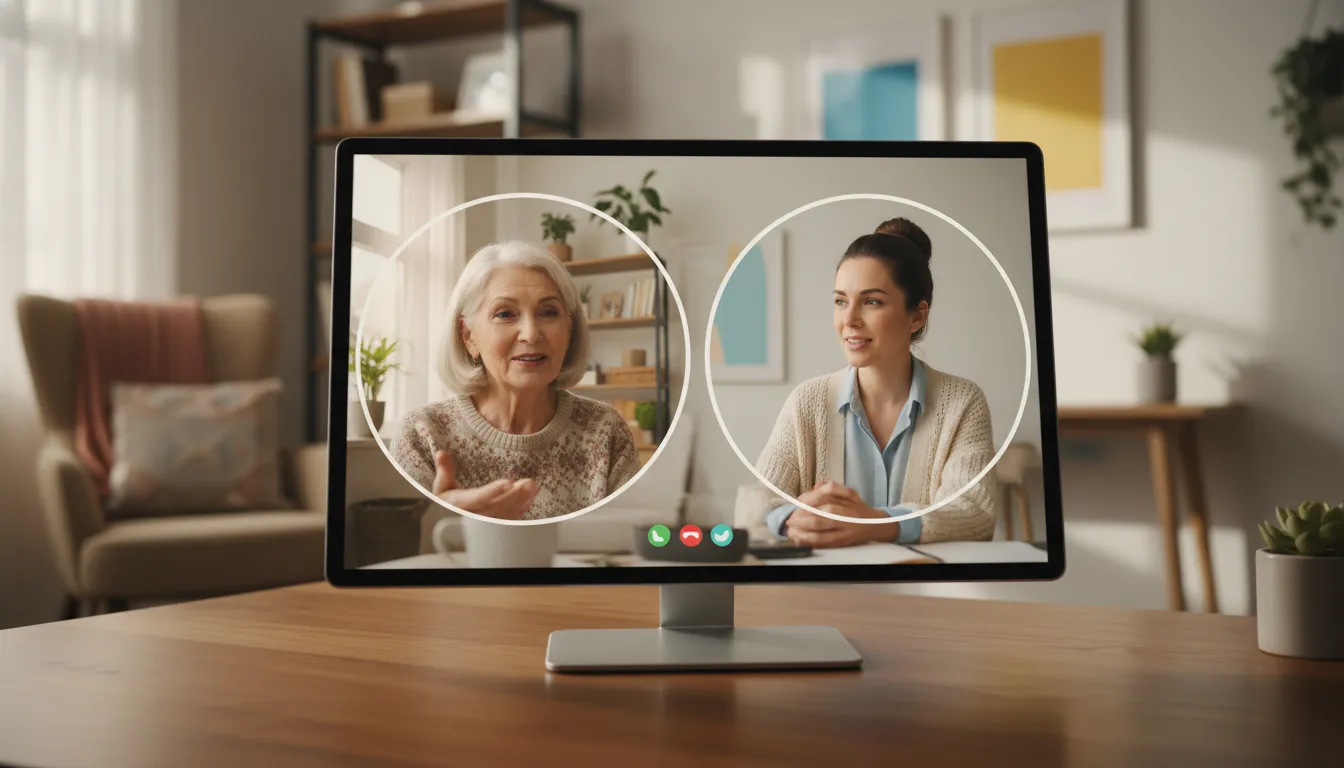
How individual teletherapy can support emotional well-being
Individual teletherapy gives older adults a private space to discuss how pain affects thoughts, mood, sleep, and daily choices. A counselor can help separate the pain itself from fears about what it may mean for the future.
This support does not replace medical care or pain treatment. Instead, it adds mental health care to a broader plan that addresses both physical and emotional needs. Research on pain and anxiety in older adults supports the need to address both concerns together.
Working with anxious thoughts
Pain can prompt thoughts such as, “I will never manage this,” or “Any movement will make things worse.” In individual teletherapy. A counselor can help a person notice these thoughts, test them, and choose a more balanced response.
Blue Moon primarily offers individual teletherapy by phone or video. Its approach to specialized anxiety treatment helps older adults practice skills for worry while staying in a familiar setting. Over time, these skills may help a person respond to anxious thoughts with more care and less fear.
Adjusting to health limits
A health limit can change more than a schedule. It may affect a person’s sense of independence, role in the family, or trust in their body. Therapy offers room to name these losses without letting them define every part of life.
A counselor may help a person focus on choices that remain possible. Together, they can set small goals, plan for hard days, and adjust routines without treating each setback as failure. Useful coping skills may include:
- Using slow breathing when worry starts to build
- Breaking a tiring activity into shorter, manageable parts
- Noticing harsh thoughts and replacing them with fairer ones
- Planning rest before pain or fatigue becomes overwhelming
These steps do not remove pain. They can create a pause before fear takes over and help a person make thoughtful choices within current limits.
Reconnecting with meaningful routines
Meaningful routines can support a sense of purpose, even when an older adult must change how they take part. A plan might include calling a friend, sitting outside, enjoying a hobby briefly, or pacing one household task.
The goal is not to ignore pain. It is to make room for safe, valued activities while respecting current limits. A counselor can help shape routines around what matters most to the person, rather than around fear alone.
Phone or video sessions can reduce the strain of travel for someone living with chronic pain. They also make it easier to continue support when mobility or energy changes. Blue Moon’s telehealth services offer access to individual counseling from home.
Frequently Asked Questions
Can extreme pain cause anxiety in the elderly?
Yes. Severe or ongoing pain can make an older adult worry about the next flare, falling, sleep, or losing independence. Pain may also limit movement and social activity, which can add stress and isolation. Because pain and anxiety can worsen each other, a clinician should assess both concerns rather than treating either one alone.
What is the most common chronic pain in the elderly?
Arthritis and other musculoskeletal conditions are among the most common sources of chronic pain in older adults. Back pain, headaches, migraines, and painful digestive conditions may also occur. Research on pain and anxiety in older adults includes these conditions and shows that having several painful conditions is linked with greater anxiety risk.
How do you manage chronic pain and anxiety simultaneously?
Managing both conditions usually begins with a medical review of the pain, medications, sleep, movement, and anxiety symptoms. Care may combine appropriate pain treatment, gentle activity, relaxation skills, and individual therapy. A coordinated plan matters because reducing anxiety may improve coping, while better pain control may ease fear and distress. Any new or worsening symptoms should be discussed with a healthcare professional.
What are the safest anxiety medication options for the elderly?
There is no single safest anxiety medicine for every older adult. A prescriber must consider other medications, health conditions, fall risk, and possible side effects before recommending treatment. Older adults should not start, stop, or change anxiety medicine without medical guidance. Individual therapy and coping strategies may also help, either alone or alongside medication, depending on a clinician’s assessment.
Ready to Address Pain-Related Anxiety Today?
When chronic pain and anxiety feed each other, waiting can make daily routines, sleep, and conversations feel harder to manage. Starting support now gives you more time to understand your patterns, practice helpful coping skills, and make steady changes at a comfortable pace. Individual teletherapy also lets you discuss pain-related worries from home, without adding the burden of traveling to an office.
Ready to take the next step toward handling pain-related anxiety with greater confidence and a practical plan? Reaching out today can help you begin that conversation sooner, instead of letting uncertainty delay the support you want. Schedule an individual teletherapy consultation to talk with Blue Moon Senior Counseling about support that fits your needs.