
When nightmares, withdrawal, or sudden anger appear in later life, families may sense old wounds returning. A veteran who managed silently for decades may need calm, respectful support now.
Request compassionate senior counseling support for an aging veteran.
Elderly veteran PTSD help begins when family members notice meaningful changes in sleep, mood, regular routines, relationships, or a once-steady sense of safety. Nightmares, social withdrawal, irritability, panic, or distress around memories deserve compassionate attention, not an assumption that aging explains everything. According to the National Center for PTSD, aging and life transitions can bring trauma symptoms forward again, even after years of coping. Symptoms may become harder to manage after retirement, bereavement, illness, mobility changes, or the loss of daily structure and trusted companionship. Families can listen, preserve the veteran’s choices, encourage steady routines, and help connect them with VA resources or senior-focused counseling when symptoms disrupt daily life.
You may be asking what is a trauma response, what is a health change, and what respectful support looks like for someone who served. Before discussing conversations and care options, Elderly veteran PTSD help starts with noticing changes. Here’s how.
Elderly veteran PTSD help starts with noticing changes
Families can begin elderly veteran PTSD help by noticing changes from the veteran’s usual routines, such as poor sleep, withdrawal, irritability, or distress around reminders. Observing patterns with kindness helps families start a respectful conversation and seek care without assigning a diagnosis.
Changes worth noting
A veteran parent may seem different before they say that anything is wrong. Notice changes with respect, rather than treating them as a diagnosis or a normal part of aging. Trouble sleeping, pulling away, and greater irritability can be signs of distress in older veterans. The National Center for PTSD describes how aging veterans may face returning trauma symptoms.
Look for shifts from the person’s usual habits. A parent who once enjoyed calls may stop answering. A veteran who slept well may now wake from nightmares or avoid going to bed. Some people become tense around news, fireworks, anniversaries, military talk, medical care, or places that bring back memories.
Patterns and first responses
One hard day does not tell the whole story. Write down changes that repeat or begin to affect meals, medicines, appointments, hygiene, driving, or time with others. This record can help you speak clearly without arguing about labels. It can also keep the focus on safety and support.
| Change you can observe | Supportive first response |
|---|---|
| Poor sleep or nightmares | Ask how sleep has changed and listen. |
| Less contact with family or friends | Offer quiet company or a short call. |
| Anger, jumpiness, or sharp replies | Stay calm and give space if needed. |
| Avoiding reminders of service or loss | Do not press for details. |
| Missed tasks or self-care changes | Offer practical help with consent. |
Try a simple opening. You might say, “I notice you have not been sleeping well. I care about you.”
Do not dismiss changes as “long ago” or “just age.” Those words can make honest conversation harder.
Families may find more context in Blue Moon’s guide to past trauma resurfacing in later life.
Respectful next steps
Keep the veteran involved in choices whenever possible. Ask whether they would like help calling a trusted provider, arranging a visit, or finding a counselor. If they decline, you can still check in and offer support again later. A steady, respectful approach is often easier to accept than one urgent talk.
Act sooner if changes put safety at risk, or if the veteran talks about self-harm or hopelessness. In an immediate crisis, seek emergency support rather than trying to manage the moment alone. Noticing changes is not diagnosing PTSD. It is a caring first step toward elderly veteran PTSD help.
Why can PTSD resurface as a veteran ages?
PTSD can become more noticeable in later life when retirement, bereavement, medical changes, or reduced daily structure weaken familiar ways of coping. Symptoms resurfacing does not mean a veteran has failed. It means new support may help with distress linked to past service.
Changes in daily structure
Some veterans managed distress for years while work, caregiving, or service-linked routines kept each day structured. After retirement, there may be more quiet time and fewer familiar roles. The U.S. Department of Veterans Affairs notes that aging and life transitions can bring long-dormant trauma symptoms back.
This does not mean a veteran has failed, or that earlier coping did not matter. It means the setting around that coping has changed. Less contact with coworkers, fewer planned tasks, or more time alone may leave painful military memories harder to set aside.
Loss, illness, and reminders
Later life can bring the death of a spouse, close friend, or fellow veteran. A funeral, an anniversary, or news of another loss may connect with memories of danger and grief from service. Families may notice that an older veteran becomes more guarded, restless, or withdrawn after such reminders.
Health changes can add another layer. Pain, serious illness, medical procedures, or reduced mobility may bring fear and loss of control into daily life. Research on trauma re-engagement in older medically ill veterans describes the need for trauma-informed care when past trauma returns during illness.
Why symptoms may seem new
Resurfacing PTSD may look new to relatives, even when the trauma is not new. A veteran may have kept service experiences private for decades. When sleep changes, outings become harder, or social support thins, a family may see distress that was once less visible.
Symptoms may also be confused with grief, irritability, or ordinary aging. That can delay a calm conversation about what the veteran is feeling. Learning about past trauma resurfacing in later life can help families respond with patience rather than pressure.
When a family seeks elderly veteran PTSD help, it can start with listening and noting changes in sleep, routines, or connection. The goal is not to force disclosure. It is to take renewed distress seriously and support the veteran in finding care that respects both age and military history.
How can families find elderly veteran PTSD help?
Families can help an aging veteran with PTSD by listening without pressure, preserving choice, reducing avoidable stress, and offering care options at the veteran’s pace. Support should protect dignity while taking safety concerns seriously and connecting the veteran with professional resources when needed.
Support that respects independence
A spouse or adult child may see changes in sleep, mood, or time spent with others. Start with care, not control. Families can support routines and validate feelings when symptoms surface. This approach is noted in VA PTSD guidance for aging veterans.
An older veteran may want help without wanting life decisions made for them. Ask what would help today, and accept a no when safety is not at risk. Reading about past trauma resurfacing in later life can help families respond with patience instead of pressure.
Five respectful steps
-
Listen before offering a fix. Choose a calm time and say what you have noticed without naming a cause. If the veteran wants to talk, listen without asking for details about military trauma.
-
Lower daily stress where possible. Keep meals, rides, calls, and visits steady when that feels helpful. Reduce surprises, but ask before changing plans or taking over tasks.
-
Offer choices, not orders. Try two clear options, such as a short walk or a quiet afternoon at home. Choice protects dignity and lets the veteran decide what feels manageable.
-
Open the door to added support. Ask if they would speak with a trusted veteran, counselor, or health care provider. If they are open to therapy, share how to start finding PTSD therapy using Medicare. Then let them choose the next step.
-
Care for the caregiver, too. Spouses and adult children need sleep, breaks, and people they can speak with honestly. Getting your own support helps you remain steady and present.
When concern becomes urgent
Family support can make home feel calmer, but it does not replace clinical care. If the veteran speaks of self-harm, suicide, or harming someone else, seek crisis help right away. In less urgent moments, ask permission to schedule a visit or join a call.
For ongoing elderly veteran PTSD help, the goal is partnership. Keep checking what the veteran wants and what eases the day. Respect and steady presence can guide each next choice.
How do you talk about getting help without taking control?
A respectful conversation about help begins with listening, specific observations, and choices. Choose a calm time, focus on current changes rather than forcing details about trauma. And let the aging veteran decide whether and how to explore counseling or VA support.
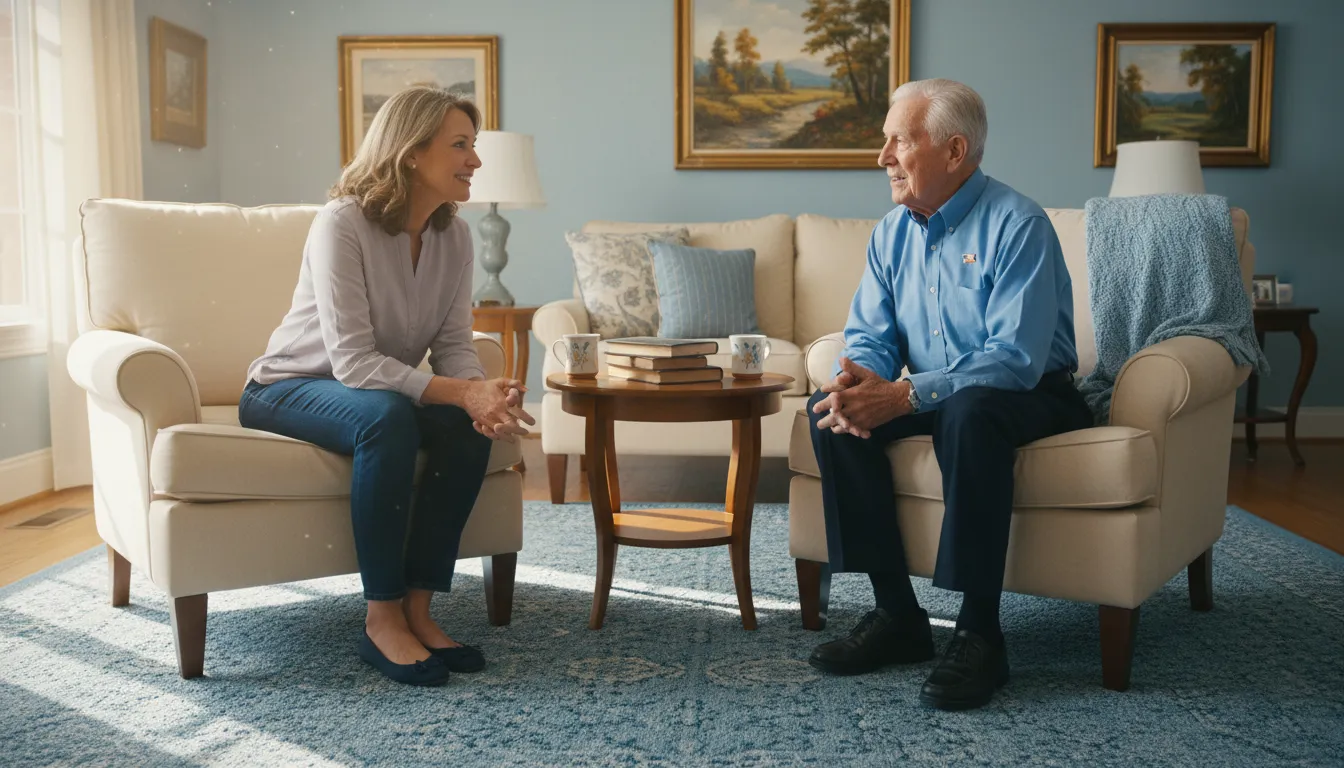
A caring talk can begin with respect, not a plan made for someone else. An aging veteran may be more open when family members listen first and leave decisions in their hands. The goal is not to prove that something is wrong. It is to make room for support.
A calm moment to talk
Choose a quiet time, not the middle of an argument or a sleepless night. Sit where the veteran feels at ease. Begin with care: “I have noticed you have seemed more on edge lately. How have things been for you?”
Life changes and aging can bring old trauma symptoms back, according to the National Center for PTSD. That does not mean a family member should label the problem. It means a change deserves a kind and patient response.
Observations, not interrogation
Describe what you see, such as missed meals, little sleep, or pulling away from family. Keep the focus on today, rather than asking for details about combat or another traumatic event. A veteran can share memories if and when they choose.
- Try: “I have missed spending time with you. Would you like to talk?”
- Try: “Would it help to look at support options together?”
- Avoid: “You need therapy, and I am making the appointment.”
- Avoid arguing about whether a reaction is reasonable or justified.
If your loved one raises trauma concerns, you can learn about PTSD in older adults without trying to diagnose them. Ask what support would feel useful. Accepting “not today” can help protect trust and keep the door open.
Counseling as added support
Frame counseling as another source of support, not a loss of control. You might say, “You have carried a great deal for a long time. Would talking with someone be one option you want to consider?” Offer choices about when to revisit the subject and who should be involved.
Blue Moon Senior Counseling serves older adults through phone and video sessions. Families can share its senior counseling services as an option. Let the veteran decide what comes next. If they want help, ask permission before assisting with a call or referral.
Even a respectful offer may be declined at first. Continue to show up in ordinary ways, such as a meal, a phone call, or time together. Steady support can say more than repeated pressure.
Choosing support: VA resources and senior-focused counseling
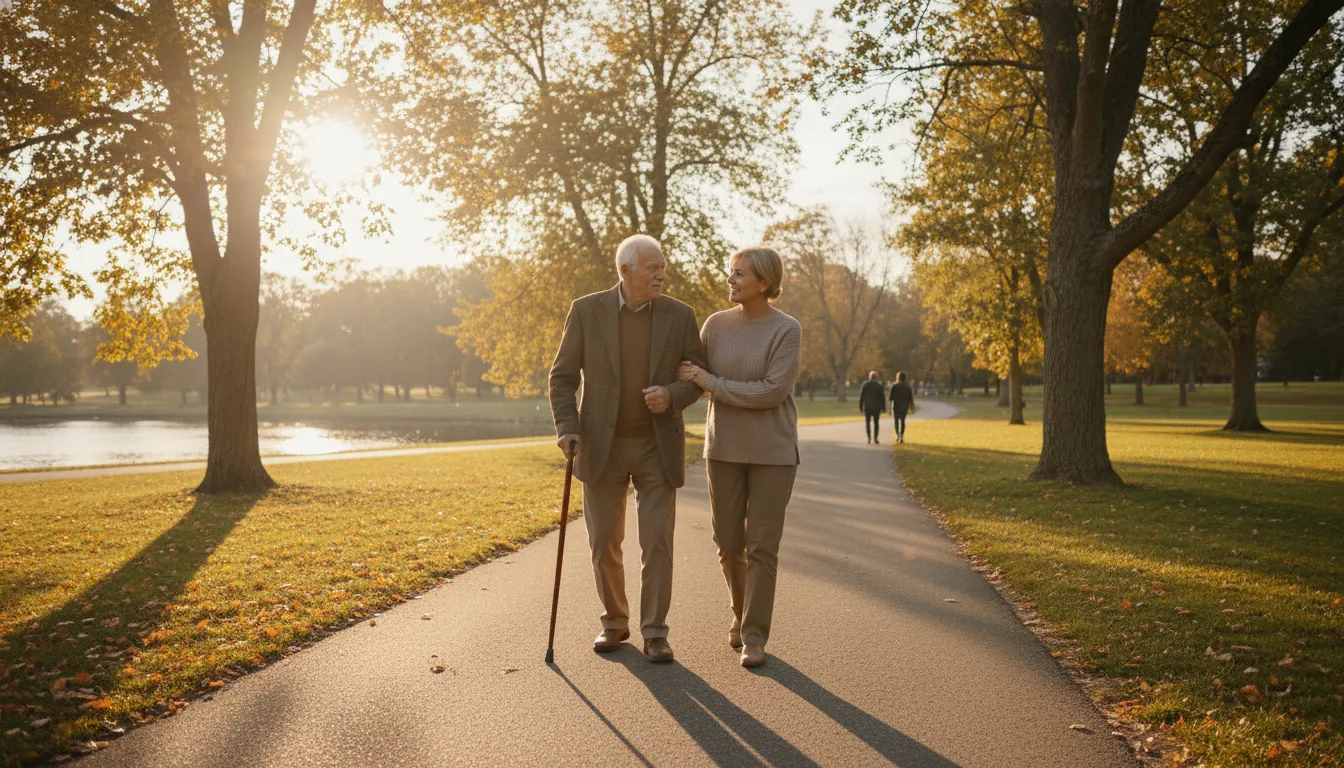
An aging veteran may use VA resources, senior-focused counseling, or both. VA care can address military experiences, while counseling for older adults can also address grief, retirement, health changes, and family concerns. The right path is the one the veteran chooses and can use consistently.
More than one doorway to care
An older veteran does not have to choose between VA resources and counseling focused on later life. These paths can sit alongside each other. A veteran may begin with the VA, add outside therapy, or speak with both before deciding what fits.
The VA offers mental health services shaped for aging veterans, according to its veteran care resources. A senior-focused counselor can also make room for retirement, health changes, grief, and family concerns. This can matter when military trauma now affects sleep, trust, routines, or relationships.
How the options can work together
VA resources may connect a veteran with care linked to military experience. Senior-focused therapy can support the concerns that arise in older age and at home. Some veterans may use one option first, while others may explore both over time.
Choosing both does not mean that care has failed or become too complex. It may mean the veteran wants support for military experiences and later-life needs. Families can help by listening and letting the veteran set the pace.
Blue Moon Senior Counseling provides national telehealth for adults age 65 and older. Sessions take place by phone or video, which can reduce travel demands for an older veteran. Its services for older adults include support for mental health needs that may affect daily life.
A family member can help gather options, ask about scheduling, or join a first call when invited. The veteran remains at the center of each decision. Respect for privacy and choice can make it easier to accept help without feeling pressured.
Practical questions before starting care
When seeking elderly veteran PTSD help, ask whether a therapist works with older adults and trauma. Ask how visits take place, how family can support care, and what insurance information is needed. These questions can help a veteran compare options without rushing a personal choice.
It may help to write down a veteran’s goals before calling. One person may want better sleep, while another wants help talking about distressing memories. Clear goals can guide questions and make a first conversation feel less overwhelming.
Blue Moon accepts Medicare Part B for its counseling services. Families who want to understand this route can read about finding PTSD therapy using Medicare. They may also confirm benefits and any expected costs before care begins.
Support can begin with a quiet conversation and a short list of choices. A veteran may wish to contact VA resources, explore senior-focused counseling, or discuss both with a trusted family member. The next step should reflect the veteran’s goals, comfort, and pace.
Talk with Blue Moon about senior-focused PTSD counseling options for your loved one.
When symptoms signal urgent safety concerns
Urgent action is needed if a veteran talks about suicide, self-harm, or harming someone else, or cannot remain safe. In an immediate crisis, seek emergency or crisis support first. Scheduled counseling can be part of follow-up care after safety is established.
Signs that require immediate action
PTSD can become more intense in later life, even after years of coping. The VA notes that aging and life changes can bring back trauma symptoms in older veterans. Its overview of PTSD and aging veterans can help families understand why a sudden change may occur.
A family should treat safety as the first need when a veteran talks about suicide or self-harm. The same is true for threats to hurt another person. Take action if the veteran says there is no reason to live or has a plan. Act as well if the veteran gathers weapons or pills or cannot agree to stay safe.
Severe changes also need a fast response, even when no direct threat is spoken. Warning signs can include extreme agitation, reckless behavior, violent outbursts, confusion, or being unable to manage basic care. Families who notice signs an elderly parent needs help should pay close attention when safety worsens quickly.
What to do during a crisis
If danger may be immediate, call emergency services or go to the nearest emergency department. If a firearm, medication, or another weapon is nearby, do not try to manage a tense scene alone. Move to a safer place and tell emergency responders what is happening.
- Stay calm, speak in short phrases, and listen without arguing about the trauma.
- Do not leave the veteran alone if you can remain nearby without placing yourself in danger.
- Contact a local crisis line when urgent support is needed and immediate danger is not clear.
- Share direct statements, recent behavior, access to weapons, and medical concerns with responders.
It is respectful to take suicide talk seriously. You are not betraying a veteran by requesting urgent help. Military service may shape how a person speaks about distress, but safety still comes first.
Care after immediate safety is addressed
After the immediate risk has passed, continued mental health support can help address PTSD symptoms and family stress. Research has described late-life worsening of PTSD symptoms in U.S. veterans, as reported in a published clinical report. A follow-up care plan may include therapy, medical review, and support for caregivers.
Blue Moon provides scheduled telehealth mental health therapy for older adults, rather than emergency response. Do not wait for a routine appointment when a veteran may harm themselves or someone else. Use urgent or crisis support first, then arrange ongoing elderly veteran PTSD help once the person is safe.
Frequently Asked Questions
Families commonly ask when renewed trauma symptoms need attention, what support respects a veteran’s autonomy, and where care can begin. The answers below provide a starting point, but a qualified clinician can assess symptoms and recommend individualized support.
Can PTSD symptoms resurface in elderly veterans?
Yes. An aging veteran may experience new or stronger trauma-related symptoms after years of coping well. Retirement, grief, changes in health, or reduced social contact can leave less routine and support. The VA National Center for PTSD explains that aging can affect how veterans respond to earlier trauma. A family member can notice changes and invite professional support without assuming a diagnosis.
What are common signs of PTSD in aging veterans?
Signs may include distressing memories, nightmares, sleep changes, being easily startled, irritability, avoiding reminders, or withdrawing from others. In an older veteran, these changes can overlap with grief, pain, or medical concerns. The VA National Center for PTSD identifies irritability, social withdrawal, and difficulty sleeping as possible signs. A licensed clinician can assess what is contributing to the changes.
Are there senior-specific PTSD treatment programs for veterans?
Yes. Veterans can ask a VA care team or local VA medical center about mental health services suited to older adults and trauma-related concerns. Senior-focused outpatient counseling is another possible route when it fits the veteran’s needs and coverage. Blue Moon Senior Counseling provides phone and video psychotherapy for adults age 65 and older and accepts traditional Medicare, according to its service information.
How can a family find VA help for an aging veteran with PTSD?
A family can help the veteran contact a local VA medical center, primary care team, or mental health clinic. Involve the veteran in each decision whenever possible. Ask about PTSD assessment, older adult mental health care, caregiver guidance, and available virtual options. Families can also review VA Coaching Into Care, a free and confidential support resource for discussing treatment.
Ready to help an aging veteran find support?
When possible PTSD symptoms go unaddressed, an aging veteran and the family supporting them may keep facing distress without a clear next step. Waiting can also leave caring relatives uncertain about how to respond when difficult moments return or new concerns arise. Starting now gives your family a way to discuss concerns, respect the veteran’s choices, and explore counseling support suited to later-life needs.
Ready to seek thoughtful support for the veteran in your life? Submit an online referral for senior counseling to contact Blue Moon about a respectful next step. Sharing concerns now can help your loved one consider care while keeping their voice and choices at the center of the process.