
The connection between our physical environment and our mental well-being is powerful. A simple trip over a loose rug can lead to more than just a bruise; it can create a lasting fear of falling that causes you to limit your activities, leading to isolation and even depression. This is why focusing on home safety for elderly loved ones is so critical. It’s not just about preventing accidents, but also about preserving peace of mind. By identifying and addressing common household hazards, you can reduce the background anxiety that comes with worrying about a potential injury, fostering a sense of security that is essential for emotional health.
 Home safety is paramount for seniors. As we age, our bodies and abilities change, making us more susceptible to accidents and injuries. Ensuring a safe living environment can greatly enhance the quality of life for seniors and help prevent traumatic injuries.
Table of Contents:
- Fall Prevention
- Fire Safety
- Medication Management
- Home Security
- Bathroom Safety
- Kitchen Safety
- Ensuring a Safe and Comfortable Home for Seniors
- FAQs
Why Home Safety for Seniors Matters
As we get older, the comfort and familiarity of home become more important than ever. Maintaining independence is a key part of a fulfilling life, and for many seniors, that means staying in the place where they’ve built memories. A safe home environment is the foundation of this independence. When a living space is secure, it reduces the risk of common accidents like falls, which are not only physically dangerous but can also take a significant emotional toll. The fear of getting hurt can lead to reduced activity and social withdrawal, which may contribute to feelings of loneliness and depression.
Creating a safe home isn’t just about preventing physical injury; it’s about fostering confidence and peace of mind. Knowing your environment is secure allows for greater freedom of movement and a more active, engaged lifestyle. It empowers seniors to continue their daily routines without constant worry. This sense of security is crucial for mental well-being, as it supports autonomy and reduces the stress that can come with the challenges of aging. By making thoughtful adjustments to the home, we can help our loved ones live not just longer, but better, in the place they love most.
The Desire to Age in Place
The vast majority of older adults want to age in place, and it’s easy to understand why. Home is more than just a building; it’s a sanctuary filled with personal history, comfort, and a sense of belonging. Staying at home allows seniors to maintain their routines, stay connected to their community, and hold onto their autonomy. This stability is incredibly beneficial for emotional health, as the stress of relocating to an unfamiliar environment can be overwhelming and sometimes lead to adjustment disorders. Making a home safe is a practical way to honor this desire, enabling seniors to thrive in their own space with dignity and independence.
Is Your Home “Aging-Ready”?
Unfortunately, most houses weren’t designed with the needs of older adults in mind. What was once a perfectly safe home can present new challenges as mobility, vision, and balance change over time. Common hazards often hide in plain sight: cluttered walkways, poor lighting in hallways, slippery bathroom floors, and throw rugs that can easily bunch up. These seemingly small issues pose a significant risk for falls and other accidents. Living with these constant potential dangers can create a background level of stress and anxiety. Taking the time to identify and correct these problems is one of the most important steps toward creating a truly “aging-ready” home.
Fall Prevention
Falls are a leading cause of injury among seniors. A study done by the CDC found 28.7% of adults over the age of 65 reported falling at least once in the last 12 months. Here are some steps to reduce the risk of falls:
Installing Grab Bars and Handrails
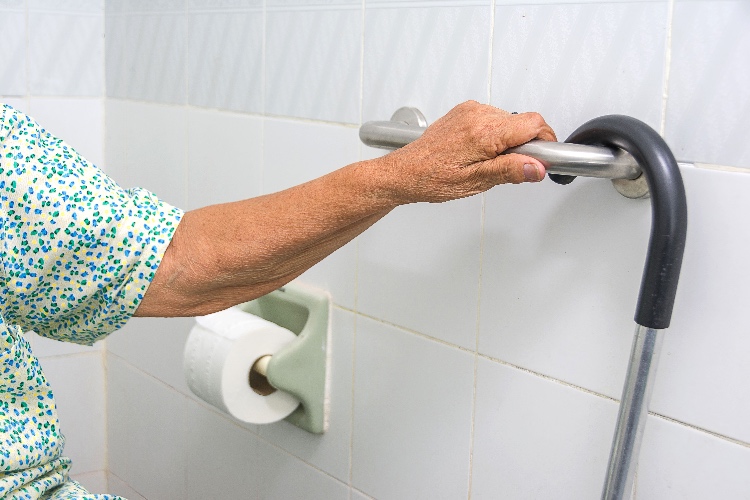
Installing grab bars in strategic locations, such as bathrooms next to toilets and in showers, can provide significant support and stability for seniors. Handrails along staircases are equally important, ensuring that seniors have something sturdy to hold onto as they navigate up and down the stairs. The placement of these aids should be at heights easily accessible for seniors, taking into account their specific needs and physical limitations.
Stair Safety Tips
Stairs are a common area for falls, but you can significantly reduce the risk with a few proactive measures. Addressing these potential hazards not only improves physical safety but can also ease the anxiety that often accompanies a fear of falling, helping seniors feel more confident and secure in their homes.
- Install strong handrails. Make sure there are sturdy handrails on both sides of the stairs to provide reliable support. Always holding onto the handrail when going up or down is a critical safety habit that offers stability and prevents falls.
- Improve the lighting. A well-lit staircase is essential. Install bright lights and ensure there are light switches at both the top and bottom of the stairs. This prevents anyone from having to use the stairs in dim light or darkness.
- Mark the edges of steps. Apply brightly colored, non-slip tape to the edge of each step. This visual aid helps improve depth perception and makes each step more visible, reducing the chance of a misstep, especially for those with vision challenges.
- Maintain the stairs. Keep stairways completely clear of any clutter, such as shoes or boxes. You should also regularly check for and repair any hazards like loose steps or torn carpet. Adding anti-slip strips can provide extra traction and make each step more secure.
Ensuring Proper Lighting
Proper lighting is essential in preventing falls. Bright, clear lighting should be used in all areas of the home to improve visibility. Nightlights in hallways, bathrooms, and bedrooms can provide necessary illumination during nighttime, reducing the risk of tripping over unseen obstacles. Motion sensor lights are an excellent addition, as they automatically turn on when someone enters a room, ensuring that the path is always well-lit without the need for manual switches
Using Non-Slip Mats and Rugs
Non-slip mats are particularly important in areas prone to wetness, such as bathrooms and kitchens. Placing non-slip mats inside and outside the shower can help prevent slips. Using rug pads under all rugs ensures they stay in place and do not become a tripping hazard. Opting for flooring materials with non-slip textures in areas prone to wetness adds an extra layer of safety.
Assess Your Personal Fall Risk
Beyond making physical changes to your home, it’s important to understand your personal risk factors for falling. Certain health conditions, medications, and even changes in vision or balance can make you more susceptible to a fall. Taking a proactive approach by assessing these risks is a critical step in creating a comprehensive safety plan. By being aware of your own body and its limitations, you can work with healthcare professionals to address specific concerns and build strength and confidence in your daily movements. This personal assessment is just as vital as securing rugs or installing grab bars.
Talk to Your Doctor
Your primary care physician is your best partner in fall prevention. If you’ve fallen recently or feel unsteady on your feet, schedule a visit to discuss a fall risk check-up. Your doctor can review your medications for side effects like dizziness, check your balance and gait, and address any underlying health issues that might contribute to instability. A fall can also be emotionally distressing, sometimes leading to a persistent fear of falling again. This fear can cause you to limit your activities, leading to isolation and physical decline. Discussing these feelings is important, and professional support, like the individual teletherapy offered by Blue Moon Senior Counseling, can help you manage the anxiety that often follows a fall.
Get Regular Vision Checks
Clear vision is essential for seeing and avoiding potential hazards in your path. It’s recommended to get an eye exam every year to ensure your prescription for glasses or contacts is current. Poor eyesight can make it difficult to spot obstacles like misplaced furniture, electrical cords, or small steps between rooms. Conditions like glaucoma or cataracts can also impair your vision and depth perception, significantly increasing your risk of a fall. Regular check-ups with an optometrist will help catch these issues early, allowing for timely treatment and ensuring your vision is as clear as possible to help you move safely through your home.
Adopt Safe Daily Habits
Creating a safer home isn’t just about one-time fixes; it’s also about integrating small, mindful habits into your daily routine. Simple adjustments to how you move and what you wear can dramatically reduce your risk of falling. These habits don’t require major renovations or expensive equipment, but they do require consistency. By making conscious choices throughout the day—from the moment you get out of bed to how you walk across the kitchen floor—you empower yourself to stay steady and secure. These small actions accumulate over time, building a foundation of safety that becomes second nature.
Wear Non-Slip Footwear
What you wear on your feet inside the house matters immensely. Walking barefoot, in socks, or in flimsy slippers on smooth surfaces like tile or hardwood can be very risky. Instead, opt for well-fitting, non-slip shoes or slippers that have sturdy rubber bottoms to provide good traction. Proper footwear supports your feet and helps you maintain your balance as you walk. Make it a habit to put on your safe footwear as soon as you get out of bed in the morning and keep them on throughout the day. This simple change can prevent many of the slips that lead to serious falls.
Stand Up Slowly
Have you ever felt dizzy or lightheaded after getting up too quickly from a chair or bed? This sudden drop in blood pressure is common and can easily lead to a loss of balance and a fall. To prevent this, make a habit of standing up slowly. After sitting or lying down for a while, take your time. If you’re getting out of bed, sit on the edge for a minute to let your body adjust before you stand. When rising from a chair, push up with your arms and make sure you feel steady before you start walking. This small pause gives your body the time it needs to stabilize.
Fire Safety
Fire safety is another critical aspect of home safety for seniors. The U.S Fire Administration notes that adults 65 years are twice as likely to be killed or injured by fires. Here are some essential tips:
Installing Smoke and Carbon Monoxide Detectors
Smoke detectors should be installed in every bedroom, outside sleeping areas, and on every level of the home. Carbon monoxide detectors are equally important and should be placed near sleeping areas and in rooms with fuel-burning appliances. Regular testing of all detectors is essential to ensure they are functioning properly. Batteries should be replaced at least once a year, and detectors should be replaced every 10 years to maintain their effectiveness.
Preventing Carbon Monoxide Poisoning
Because carbon monoxide (CO) is a colorless and odorless gas, it can be especially dangerous, particularly for older adults who may be more vulnerable to its effects. To protect yourself, install CO detectors near every sleeping area and in rooms that contain fuel-burning appliances like a furnace or gas dryer. It’s crucial to maintain these devices properly. Test them twice a year, change the batteries annually, and replace the entire detector every 10 years. Also, never use a gas stove, oven, or outdoor grill to heat your home, as this can cause a dangerous buildup of CO in enclosed spaces. Taking these simple precautions can make all the difference in preventing CO poisoning and keeping your home safe.
Safe Use of Electrical Appliances
Regularly checking electrical appliances for frayed cords and replacing them if necessary can prevent electrical fires. Overloading electrical outlets should be avoided to reduce the risk of fire. Unplugging appliances when not in use is a simple yet effective way to reduce the risk of electrical fires. Using appliances with automatic shut-off features adds an extra layer of safety.
Regular Maintenance of Heating Systems
Having heating systems inspected annually by a professional ensures they are in good working condition. Space heaters should have automatic shut-off features and should be placed away from flammable materials. Proper ventilation for all heating systems is crucial to prevent carbon monoxide buildup, which can be deadly if undetected.
Emergency Preparedness
Thinking ahead for emergencies can make a world of difference. Having a clear plan and the right supplies on hand provides not only practical support during a crisis but also a significant sense of security. Knowing you are prepared for unexpected events like natural disasters, power outages, or personal health emergencies can greatly reduce stress and anxiety. It empowers you to handle challenging situations with confidence and ensures that help can be reached quickly when needed. Let’s walk through some simple but vital steps to get you prepared.
Create an Emergency Plan
A well-thought-out emergency plan is your roadmap during a crisis. It should be simple, easy to remember, and discussed with family members or caregivers. The goal is to eliminate guesswork when time is of the essence. Your plan should cover various scenarios, from a house fire to a severe weather event. Think about the specific challenges you might face, such as mobility issues, and incorporate solutions into your plan. Writing it down and keeping a copy in an accessible place, like with your emergency kit, ensures everyone involved knows exactly what to do.
Establish Exit Routes
Knowing how to get out of your home quickly is a critical part of any emergency plan. Identify at least two exit routes from every room, especially bedrooms. Walk through these routes to make sure they are always clear of clutter and easy to access. If you live in an apartment building, be familiar with the emergency exits and stairwells. Creating and practicing a home fire escape plan at least twice a year ensures you feel comfortable and confident with the process. This simple drill can make a life-saving difference in a real emergency.
Prepare an Emergency Kit
An emergency kit contains everything you might need to be self-sufficient for several days. A good checklist should include at least a three-day supply of non-perishable food and water, a flashlight with extra batteries, a first-aid kit, and a whistle to signal for help. Also, pack a week’s supply of any necessary medications, copies of important documents (like insurance cards and identification), and some cash. Keep this kit in a designated spot that is easy to grab on your way out.
Keep Emergency Contacts Accessible
In a stressful situation, it can be difficult to recall important phone numbers. That’s why having a physical list of emergency contacts is so important. Create a list with numbers for family members, doctors, neighbors, and emergency services. Write the numbers in large, clear print and post the list in a visible place, such as on the refrigerator or next to every phone in your home. It’s also a good idea to have a copy in your wallet and your emergency kit. This ensures you or anyone assisting you can quickly reach the right people.
Consider a Medical Alert System
For an added layer of protection, especially for seniors who live alone, a medical alert system can be invaluable. These systems typically include a wearable button—as a necklace or bracelet—that can be pressed to summon emergency help. Many modern systems also offer automatic fall detection, which calls for help even if you are unable to press the button. Researching different medical alert systems can help you find one that fits your lifestyle and provides peace of mind for both you and your loved ones, knowing that assistance is always within reach.
Medication Management
Proper medication management can prevent serious health complications for seniors. Here’s how to ensure medications are handled safely:
Proper Storage of Medications
Medications should be kept in their original containers with clear labels to prevent mix-ups. Storing medications in a cool, dry place away from direct sunlight and moisture helps maintain their efficacy. Medications should be stored at a height easily reachable for the senior to ensure they can access them without difficulty.
Setting Up Medication Reminders
Pill organizers with compartments for each day of the week can simplify medication schedules and ensure that seniors take the right doses at the right times. Setting alarms on clocks, phones, or medication reminder devices can prompt timely medication intake. Smart medication dispensers that alert caregivers if a dose is missed are also a valuable tool for ensuring adherence to medication schedules.
Regular Review of Medications with Healthcare Providers
Scheduling regular reviews with healthcare providers to discuss current medications and any potential side effects or interactions is essential. Keeping an updated list of all medications, including dosages and schedules, to share with healthcare providers helps ensure that they have all the information needed to make informed decisions. Open communication with doctors about any concerns or side effects experienced is crucial for maintaining health and safety.
Bring All Medications to Appointments
A simple but powerful way to keep your medication plan safe is to bring everything with you to your doctor’s appointments. This includes all prescription bottles, over-the-counter medicines, vitamins, and supplements. As Health in Aging recommends, “Bring all your medicine bottles to your doctor’s appointments so they can check you’re taking them correctly.” This practice allows your doctor to see the exact dosages and instructions for each item, helping them identify potential interactions, clear up any confusion, and confirm that your treatment plan is still the best course of action. It’s a proactive step that helps prevent dangerous mix-ups before they can happen, giving you and your doctor a clear picture of your health.
Improve Medication Handling
Properly handling medications at home is just as important as reviewing them with your doctor. Simple organizational habits can significantly reduce the risk of errors and ensure your medications remain effective. A key tip from A Place for Mom suggests, “Medications should be kept in their original containers with clear labels to prevent mix-ups.” While daily pill organizers are helpful, the original bottles contain crucial information like the pharmacy and prescription number. It’s also vital to store them correctly. Keeping them in a cool, dry place, like a kitchen cabinet away from the stove or a dresser drawer, helps maintain their potency, as moisture and heat from a bathroom medicine cabinet can degrade them over time.
Use a Well-Lit Room
Taking your medicine in a well-lit area is an easy adjustment that can make a significant difference. As we age, vision can change, making it harder to read the small print on prescription labels. Taking your pills in a dimly lit room increases the risk of grabbing the wrong bottle or misreading the dosage instructions. The solution is simple: “Take your medicines in a well-lit room so you can clearly see the labels.” Make it a habit to take your medications at the kitchen table under a bright light or by a window with plenty of natural sunlight. This easy step helps you confidently manage your health and reduces the chance of a preventable mistake.
Ask for Large-Print Labels
If you find yourself squinting to read your prescription labels, don’t hesitate to ask for help. Most pharmacies can provide large-print labels upon request, and it’s a simple accommodation that can make a world of difference. This small adjustment empowers you to manage your medications independently and safely, reducing the daily stress that can come with a complex regimen. Feeling overwhelmed by managing health conditions is common, and taking steps to simplify the process can greatly support your well-being. If you find that this stress is leading to anxiety, remember that support is available. You can develop coping skills through individual teletherapy, which is a Medicare Part B covered service.
Safe Disposal of Expired or Unused Medications
Utilizing local medication disposal programs or drop-off locations ensures that unused or expired medications are disposed of safely. Medications should not be flushed down the toilet unless specified by the label. Medication disposal kits that deactivate drugs before discarding them in the trash are a safe and effective way to dispose of unwanted medications.
Home Security
Ensuring home security can provide peace of mind for seniors and their families. Here are some effective measures:
Installing Security Systems and Cameras
A comprehensive security system that includes alarms, motion detectors, and cameras can significantly enhance home security. In a study from the U.S Department of Justice, 93% of crime experienced by the elderly is property crime. Security cameras should be placed at entry points and around the perimeter of the home to monitor activity. Opting for a monitored security system that alerts authorities in case of emergencies provides an additional layer of protection.
Securing Doors and Windows
Deadbolt locks on all exterior doors add an extra level of security, making it more difficult for intruders to gain access. Ensuring that all windows have secure locks and adding window alarms can further enhance safety. Peepholes or doorbell cameras should be installed to allow seniors to see who is at the door before opening it, reducing the risk of opening the door to strangers.
Protection from Scams and Abuse
Beyond physical security, protecting yourself from scams and abuse is a vital part of staying safe at home. Unfortunately, older adults are often targeted by criminals through unsolicited calls, mail, or even in-person visits. Being cautious and aware of common tactics can help you safeguard your personal information and finances. It’s important to have a plan for how you’ll handle unexpected offers or requests, and to remember that it’s always okay to take your time and seek a second opinion before making a decision. This proactive mindset is key to maintaining both your safety and your peace of mind.
Screen Visitors and Calls
A healthy dose of skepticism can be your best defense. Always keep your doors and windows locked, even when you are home, and never let a stranger inside if you are alone. Use a peephole or a doorbell camera to see who is at your door before opening it. The same caution should apply to phone calls. If you receive a call from an unknown number or an organization you don’t recognize, do not share personal information like your Social Security number, credit card details, or bank account numbers. It’s a good practice to discuss any offers from salespeople with a trusted friend or family member before agreeing to anything.
Prevent Financial Scams
Financial scams often rely on creating a sense of urgency or pressure. To protect yourself, always ask for written information about any prizes, offers, or charities and review it carefully. Don’t allow yourself to be rushed into buying things, signing contracts, or making donations. It is perfectly acceptable to tell someone you need time to think about it or discuss it with your family. The emotional toll of being targeted by a scam can be significant, and it’s important to know that experiencing elderly abuse or neglect, including financial exploitation, is never your fault. If you’re struggling with the emotional aftermath, individual teletherapy can provide a safe space to process what happened.
Bathroom Safety
Bathrooms can be particularly hazardous for seniors. Implementing these safety measures can help prevent accidents:
Installing Walk-In Tubs and Showers
Walk-in tubs and showers with low thresholds make it easier for seniors to enter and exit without tripping. Non-slip surfaces and built-in seating provide additional safety and comfort. Installing handheld showerheads and adjustable-height fixtures allows seniors to bathe comfortably while seated.
Using Shower Chairs and Bath Mats
Shower chairs provide a safe place for seniors to sit while bathing, reducing the risk of slips and falls. Non-slip bath mats inside and outside the shower prevent slipping on wet surfaces. Ensuring that all bath mats have a secure grip and are properly placed adds an extra layer of safety.
Accessible Toilet and Sink Heights
Installing raised toilet seats or safety frames around the toilet makes it easier for seniors to sit and stand. Adjustable or wall-mounted sinks at a comfortable height prevent unnecessary bending or stretching. Placing grab bars near the toilet and sink provides additional support and stability.
Preventing Burns
Set a Safe Water Heater Temperature
A serious burn from tap water can occur in just a few seconds, and this risk is often higher for seniors due to age-related changes in skin sensitivity and thickness. To prevent painful scalding injuries, it is essential to set your home’s water heater to a safe temperature. The U.S. Consumer Product Safety Commission recommends a setting of 120°F (49°C) or lower. This temperature is perfectly adequate for daily tasks like bathing and washing dishes but dramatically reduces the likelihood of causing a severe burn. Making this simple adjustment to your water heater’s thermostat is a critical step in creating a safer home environment.
In addition to adjusting the water heater, it’s a wise habit to always test the water with your hand or wrist before getting into a bath or shower. This quick check ensures the temperature is comfortable and safe. For an extra layer of safety, consider installing anti-scald devices on faucets and showerheads. These affordable fixtures automatically regulate water temperature to prevent it from becoming dangerously hot. By combining a lower water heater setting with these cautious habits, you can significantly reduce the risk of burns and create more peace of mind at home.
Kitchen Safety
The kitchen can pose several risks for seniors. Here are some tips to enhance safety:
Safe Cooking Practices
Encouraging seniors to never leave cooking unattended reduces the risk of kitchen fires. Setting timers helps remind them when food is done cooking. Wearing fitted clothing while cooking prevents garments from catching fire on stovetops. Keeping flammable items away from heat sources and using stove guards can further enhance kitchen safety.
Organizing Kitchen Layout for Easy Access
Storing frequently used items within easy reach prevents unnecessary stretching or climbing, reducing the risk of falls. Keeping counters clear of clutter provides ample workspace and minimizes the risk of knocking things over. Using clear, labeled containers for food storage makes it easy to identify contents and reduces the risk of accidents.
Proper Storage of Kitchen Supplies
Storing knives and other sharp objects in secure, easily accessible locations prevents accidental cuts. Placing heavy items on lower shelves eliminates the need for lifting, which can cause injury. Using shatterproof containers reduces the risk of broken glass, making the kitchen a safer environment.
Fire Prevention in the Kitchen
According to the American Burn Association, adults 65 and older are at much higher risk of injury and death from a kitchen fire. Keeping a fire extinguisher in the kitchen ensures that it is easily accessible in case of emergencies. Installing smoke alarms near the kitchen and regularly checking them ensures they are functioning properly. Using appliances with automatic shut-off features and keeping them in good working condition reduces the risk of kitchen fires.
Avoiding Poisoning Hazards
Handle Cleaning Supplies Safely
Keeping your home safe involves being mindful of everyday items, including cleaning supplies. A critical rule is to never mix different cleaning products, especially bleach and ammonia, as the combination can create dangerous fumes that are harmful to inhale. Always store cleaning liquids in their original, clearly labeled containers to prevent any confusion or accidental ingestion. It’s also a good practice to store these items in a secure cabinet, away from food and out of reach of visiting grandchildren or pets. Regularly going through your cleaning supplies to safely dispose of old or unneeded products can also help prevent accidents and keep your storage areas organized and safe.
Improving Home Accessibility
Making a home more accessible doesn’t always require a major renovation. Small, thoughtful changes can significantly improve safety and mobility, making daily life easier and reducing the risk of accidents. These modifications focus on creating an environment that supports independence and accommodates the physical changes that come with aging. From simple swaps like changing doorknobs to ensuring outdoor paths are clear, these adjustments contribute to a safer, more comfortable living space where you can continue to thrive.
General Home Modifications
Simple updates inside the home can make a world of difference for daily comfort and safety. It’s best to focus on the areas and items you use most often, like doors and furniture. The goal is to reduce physical strain, prevent falls, and make your home’s layout work for you, not against you. Even minor adjustments can have a major impact on your ability to move around your home with confidence and ease, preserving your energy for the activities you enjoy most.
Replace Doorknobs with Levers
Twisting a traditional round doorknob can be a painful task for anyone with arthritis, weakened grip strength, or other joint issues. Replacing them with lever-style handles is a simple yet impactful modification that can make a big difference. Levers can be operated with a closed fist or an elbow, requiring much less dexterity and force to open a door. This small change can restore a sense of independence and ease frustration with a daily task. You can find them at any hardware store, and they are a relatively inexpensive update that enhances accessibility throughout your entire home.
Check Furniture Stability
Your furniture should be a source of comfort and support, not a potential hazard. It’s important to ensure that all chairs, tables, and sofas are stable and won’t tip over when you use them for support while sitting down or standing up. Look for chairs with sturdy armrests, which provide excellent leverage for getting up safely. Low, deep-seated couches can be particularly challenging to get out of. If replacing furniture isn’t an option, consider using furniture risers to elevate chairs and sofas to a more manageable height, which can significantly reduce strain on your knees and back.
Outdoor Safety
Safety doesn’t stop at the front door. The areas immediately outside your home, like walkways, porches, and driveways, are common places for falls to occur. Keeping these spaces well-maintained is just as important as managing the environment inside. Regular maintenance and a few key adjustments can help keep these outdoor areas safe and navigable in all kinds of weather, giving you the confidence to come and go as you please without worry.
Inspect Walkways and Driveways
Take a walk around the exterior of your home and keep an eye out for potential tripping hazards. Carefully check sidewalks, driveways, and garden paths for cracks, uneven surfaces, or protruding tree roots that could easily catch a foot. These issues should be repaired to create a smooth, level surface for walking. Make sure the path to the mailbox and any other frequently used outdoor areas are clear of obstacles like rocks, hoses, or gardening tools. A clear, well-maintained walkway is the first step to preventing a fall before you even get inside.
Keep Paths Clear
Clutter is a major tripping hazard, both inside and outside the home. Make it a habit to ensure that all hallways, stairs, and pathways are kept clear of objects like shoes, books, or electrical cords. Good lighting goes hand-in-hand with clear paths; a well-lit space makes it much easier to spot potential obstacles, especially at night. This simple practice of keeping walkways tidy can dramatically reduce the risk of a fall. It’s all about creating an environment where you can move freely and confidently without worrying about what’s underfoot.
Getting Help with Home Modifications
Recognizing the need for home modifications is the first step, but figuring out how to implement them can feel like a big task. Fortunately, you don’t have to do it alone. There are professionals who can help assess your home for safety and resources available to help cover the costs. Making these changes can sometimes bring up feelings of anxiety or stress about aging, and it’s important to acknowledge that emotional support is also a key part of this process, ensuring you feel comfortable and in control.
Professional Home Safety Assessments
Sometimes, it helps to have an expert’s eye. A professional home safety assessment, often conducted by an occupational therapist or a Certified Aging-in-Place Specialist (CAPS), can identify potential hazards you might have missed. They can provide a comprehensive evaluation of your home and offer tailored recommendations for modifications that fit your specific needs and budget. The process of adapting your home can be emotionally challenging, serving as a tangible reminder of the aging process. If you find yourself struggling with these changes, Blue Moon Senior Counseling offers individual teletherapy to help you work through these feelings from the comfort of your home.
Financial Assistance for Home Updates
The cost of home modifications can be a concern, but financial assistance may be available to help ease the burden. Many local and state governments have programs that offer grants or low-interest loans to help seniors make necessary safety improvements. Your local Area Agency on Aging is an excellent starting point for finding resources in your community. Worrying about finances can add significant stress to an already challenging situation. Remember that support is available; our therapists can help you manage stress and develop coping skills through our telehealth services, which are a Medicare Part B covered service.
Ensuring a Safe and Comfortable Home for Seniors
Ensuring the safety and well-being of our elderly loved ones at home is of utmost importance. From fall prevention to fire safety, these measures are designed to protect and enhance the lives of our aging population. The National Council of Aging has also created a printable home safety checklist! Families and caregivers can also play a vital role in maintaining home safety. Regular check-ins, open communication, and proactive measures can prevent accidents and improve the quality of life for seniors. At Blue Moon Senior Counseling, we are committed to supporting seniors through life’s challenges. Our licensed therapists provide compassionate counseling, helping seniors navigate changes and promoting their emotional health and well-being. If you or a loved one could benefit from our services, make sure to contact us today!
FAQs
- What are the most common home hazards for seniors?
The most common home hazards for seniors include falls caused by slippery floors, loose rugs, and poor lighting; fires resulting from unattended cooking and faulty electrical appliances; medication issues such as improper storage and missed doses; and security risks like unlocked doors and windows, and scams targeting seniors.
- How can I make my bathroom safer for my elderly parent?
To make the bathroom safer for your elderly parent, install grab bars near the toilet and shower, use non-slip mats inside and outside the shower, consider a walk-in tub for easier access, and ensure good lighting to prevent falls.
- What should I do if my elderly relative is struggling with medication management?
If your elderly relative is struggling with medication management, use a pill organizer to keep track of daily doses, set reminders with alarms or smart devices, consult a healthcare provider for regular medication reviews, and dispose of old medications safely through disposal programs.
- How can Blue Moon Senior Counseling help with emotional well-being?
Blue Moon Senior Counseling helps with emotional well-being by providing supportive counseling to deal with life changes and challenges, offering educational resources to understand and manage mental health, utilizing telehealth services for convenient access to counselors, and delivering personalized care tailored to individual needs.
- What are some effective ways to prevent falls in the home?
Effective ways to prevent falls in the home include installing grab bars and handrails in key areas, improving lighting throughout the home, removing tripping hazards like loose rugs and clutter, and using non-slip mats in bathrooms and kitchens.
Key Takeaways
- Prioritize high-impact home modifications: Address the most common risks by installing grab bars in bathrooms, ensuring bright lighting in hallways and on stairs, and securing all rugs to prevent falls and build confidence in your daily movements.
- Establish proactive safety routines: Go beyond physical changes by creating consistent habits, such as using a pill organizer for medication management, regularly testing smoke detectors, and having a clear emergency plan with contacts posted visibly.
- Connect physical safety to emotional well-being: Recognize that a secure home environment does more than prevent accidents; it reduces the underlying stress and fear of injury, which supports mental health and the desire to age in place with confidence.