
For decades, you may have successfully managed difficult memories while building a career, raising a family, or caring for others. Major life changes such as retirement, bereavement, or new health concerns can make feelings connected to past trauma feel intensely present again. This is more common than many people realize and is not a sign of failure. It may be a signal that your mind and body need support with experiences that were never fully processed.
Call Blue Moon Senior Counseling at (630) 896-7160
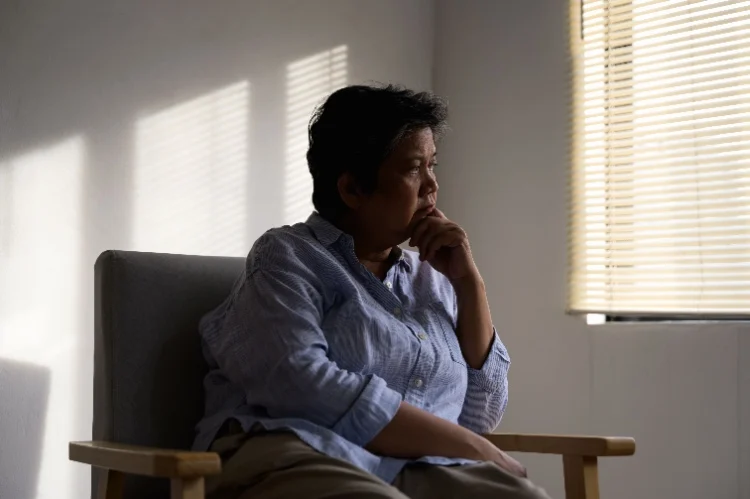 Life experiences shape us, and not all of those experiences are easy to carry. Trauma from a difficult childhood, military service, a serious accident, abuse, illness, or another painful event does not always stay in the past. For some older adults, memories and body-based reactions resurface when life slows down or new challenges arise. Understanding why this happens can replace self-blame with a clearer path toward support.
Updated September 2026.
Table of Contents
- Why Trauma Can Reappear Later in Life
- Common Triggers in Older Adulthood
- How Resurfaced Trauma Affects Emotional Health
- The Connection Between Trauma and Physical Health
- Signs That Past Trauma May Be Returning
- Healthy Ways to Cope With Resurfaced Trauma
- The Role of Counseling in Healing
- Finding Peace and Support With Blue Moon Senior Counseling
- Frequently Asked Questions (FAQ)
What is Trauma?
The word “trauma” is used a lot, but what does it actually mean? It’s more than just a bad memory or a difficult experience. It’s an event or series of events that completely overwhelms your ability to cope, leaving a lasting mark on your emotional and psychological well-being. These experiences can be varied, from combat and natural disasters to personal events like the loss of a loved one, a serious illness, or experiencing neglect. Understanding the nature of trauma is the first step toward recognizing its impact on your life, even many years after the event occurred. It’s not about the specifics of what happened, but rather how your mind and body responded to the overwhelming stress of the situation.
Understanding the Nature of Trauma
At its core, trauma is a deeply personal experience. According to HelpGuide.org, “Trauma is a deeply distressing experience-such as abuse, violence, or neglect-that overwhelms an individual’s ability to cope, often leaving lasting emotional, psychological, and physical effects.” What one person finds traumatic, another may not, and that’s okay. The key element is that the experience was too much for your nervous system to handle at the time. This can leave you feeling helpless and change the way you see the world and your place in it. These feelings can linger for decades, sometimes quietly, until something in your current life brings them back to the surface. Recognizing these past wounds is a crucial part of the healing process.
The Difference Between Trauma and PTSD
While trauma and Post-Traumatic Stress Disorder (PTSD) are related, they aren’t the same thing. Trauma is the event itself and your immediate response to it. PTSD, on the other hand, is a specific mental health condition that can develop after a traumatic event. As the University of Rochester Medical Center notes, “A main sign of PTSD is having trouble doing everyday things you used to do before the traumatic event.” Not everyone who experiences trauma will develop PTSD. Many people recover with time and support from loved ones. However, for some, the symptoms persist and interfere with daily life, which may indicate PTSD in older adults. It’s a formal diagnosis with specific criteria, including flashbacks, avoidance of reminders, and persistent negative thoughts.
The Biology of Trauma: How It Affects the Brain and Body
Trauma isn’t just an emotional wound; it leaves a physical imprint on the brain and body. When you experience something overwhelming, your body’s natural stress response system kicks into high gear. For many, this system eventually returns to normal. But for those who have experienced trauma, it can get stuck in overdrive. Research from the National Center for Biotechnology Information (NCBI) explains that “Trauma changes the body’s stress response system, affecting brain development and chemicals like hormones.” This means the effects are biological, not just psychological. It can alter your brain chemistry and even how your genes are expressed, leading to long-term changes in how you respond to stress and perceive threats in your environment.
Hyperarousal and the Body’s Stress Response
Have you ever felt constantly on edge, jumpy, or unable to relax? This state is known as hyperarousal, and it’s a common biological response to trauma. Your body’s “fight or flight” system, designed to protect you from danger, doesn’t shut off. The NCBI describes this as the body staying “prepared for danger, leading to trouble sleeping, tense muscles, and being easily startled.” This constant state of alert is exhausting and can lead to chronic health issues. It can also make you overreact to situations that aren’t actually dangerous, creating a cycle of anxiety and stress that impacts your relationships and daily life. It’s your body’s way of trying to keep you safe, even when the original threat is long gone.
The Long-Term Impact of Childhood Trauma
Experiences from our early years have a profound effect on our development, and childhood trauma is no exception. Because a child’s brain is still developing, traumatic events can have a lasting impact on its structure and function. The University of Rochester Medical Center states, “Childhood trauma doesn’t just go away; it can lead to physical and mental health problems that affect a person throughout their adult life.” These early experiences can set the stage for future challenges, including difficulty forming relationships, managing emotions, and coping with illness. The coping mechanisms you developed as a child to survive may no longer serve you as an adult, and these unresolved issues can resurface when you face the new stressors of aging.
Why Trauma Can Reappear Later in Life
As people move into later years, several changes can make space for trauma to come forward again. Retirement often brings more quiet time and fewer distractions. Health issues or losses may stir up old emotions. And as people reflect on their lives, memories, both joyful and painful, can rise to the surface. Trauma that wasn’t fully processed earlier in life may show up in new ways, sometimes even stronger than before. This doesn’t mean you’ve done anything wrong. It means your mind and body are signaling that healing may still be needed.
Common Triggers in Older Adulthood
Certain life events in later years can directly trigger the return of old trauma. These experiences often overlap with normal aging, but the emotions they stir up may feel as if they belong to another time.
Loss of Loved Ones
The death of a spouse, sibling, or close friend is deeply painful in its own right. But grief in later years often awakens earlier grief that was never fully processed. Losing a partner may bring back the sorrow of a parent’s death decades ago, layering old sadness on top of new grief.
Changes in Independence
Losing the ability to drive, needing daily assistance, or moving into assisted living can feel like a loss of freedom. These moments may also echo earlier times when control was taken away, such as during illness, military service, or childhood hardship. The emotions tied to past helplessness can resurface alongside current challenges.
Retirement or Routine Changes
Stepping away from a lifelong career or caregiving role can leave you with unexpected emptiness. Without familiar responsibilities or structure, quiet time can create space for long-buried memories to return. For some, this transition also raises questions about purpose and identity, which can make past struggles feel fresh again.
Medical Treatments or Illness
Medical care in later years can be particularly triggering. The sterile smell of a hospital, the sound of medical equipment, or the experience of relying on others for care can all stir old traumas tied to injury, illness, or even caregiving experiences. A decline in health itself can feel like a loss of control, intensifying the impact of past memories. Recognizing these triggers won’t make them disappear, but it provides clarity. Understanding why a strong reaction surfaces helps you see it not as weakness, but as a natural response rooted in your history.
How Can Veterans Be Affected When Trauma Resurfaces Later in Life?
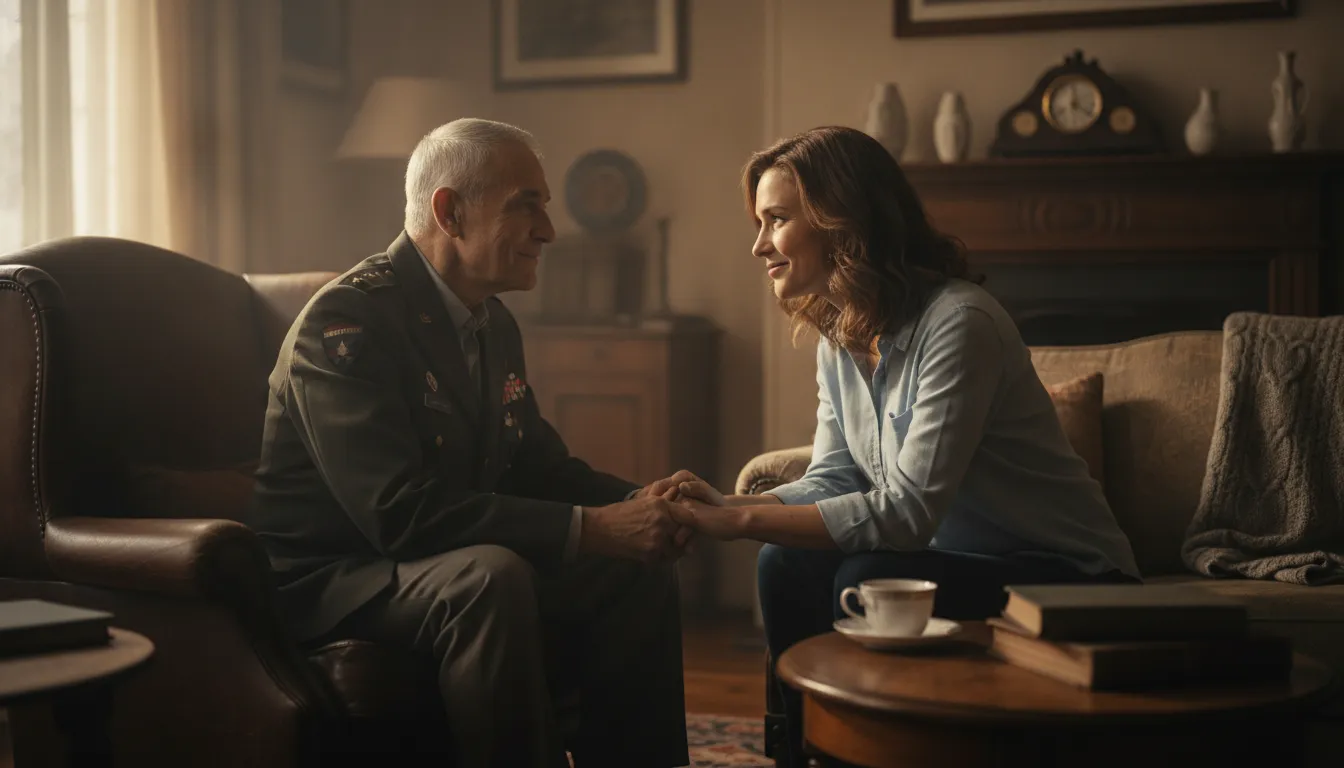
For veterans, later-life triggers may be connected to combat, military sexual trauma, training, loss, injury, or other experiences from service. Retirement, medical treatment, hearing certain sounds, changes in independence, or conversations with other veterans can bring back memories or body reactions that feel unexpectedly immediate. A strong reaction does not automatically mean that a veteran has PTSD, but recurring flashbacks, nightmares, avoidance, hypervigilance, or distress that interferes with daily life deserves compassionate evaluation.
Older veterans and their families can learn more about warning signs and treatment options in Elderly Veterans PTSD Trauma: Symptoms and Treatment. Individual teletherapy can also help an older adult identify triggers, practice grounding skills, and decide what kind of support is appropriate without forcing a rushed retelling of the past.
Call Blue Moon Senior Counseling at (630) 896-7160
How Resurfaced Trauma Affects Emotional Health
Trauma that reappears in later years often reshapes itself, changing the way you feel and interact with the world. Unlike normal ups and downs, these emotional shifts may linger or feel more intense than expected.
- Sadness that feels heavier than expected. This sadness may be about the present, but it also carries weight from the past. You may feel you’re grieving not only what you’ve just lost, but everything you’ve lost before.
- Anxiety and unease. Trauma primes the body to stay alert. Even when you’re safe, you may feel restless or worried, as if danger is around the corner. Familiar places may suddenly feel unsettling.
- Irritability or mood swings. Emotions may swing quickly, and small frustrations can bring stronger reactions than you intend. These changes may cause tension with loved ones and add guilt on top of the frustration.
- Nightmares or intrusive thoughts. Past events may reappear in dreams or interrupt your day without warning. The mind treats them as present, even though the events are long past.
- Numbness or withdrawal. Sometimes the opposite happens: instead of heightened emotions, you may feel disconnected from your feelings or from the people around you.
Additionally, Studies show that over 50% of people with depression have also been exposed to some form of traumatic experiences during their childhood.
The Connection Between Trauma and Physical Health
Trauma doesn’t just live in memories, it also shows up in the body. For older adults, resurfaced trauma can have clear physical effects that go beyond ordinary aging. Research also shows that traumas experienced in adulthood, compared to traumas experienced in childhood appear to cause more damage to an older person’s health.
Sleep and Fatigue
Unresolved trauma often disturbs sleep. Nightmares, racing thoughts, or restlessness may keep you awake. Without deep rest, fatigue builds, leaving less energy for daily tasks and increasing vulnerability to stress.
Pain and Sensitivity
Chronic pain often worsens under emotional strain. Arthritis may flare, headaches may increase, and muscles may feel tight. The body holds tension from trauma in ways that aren’t always obvious but can be felt every day.
Digestive and Muscle Tension
Stress hormones affect the stomach and muscles directly. This can result in nausea, indigestion, or persistent tightness in the shoulders, back, or neck. Over time, the constant strain leaves the body feeling sore and unwell.
Impact on Chronic Illness
Stress and trauma weaken the immune system and place strain on the heart and blood vessels. Conditions such as diabetes, high blood pressure, and heart disease often become harder to manage during times of resurfaced trauma.
Signs That Past Trauma May Be Returning
Unlike emotional health changes, which focus on how you feel, the signs of resurfaced trauma are the practical clues that something deeper is happening. These signals often appear in daily life, sometimes without explanation:
- Memories or flashbacks that catch you off guard and leave you unsettled
- Avoidance of certain places, people, or topics, even if you don’t know why
- Restless sleep, vivid dreams, or nightmares that leave you drained in the morning
- A sense of fear, anxiety, or hopelessness that feels unrelated to your current situation
- Emotional outbursts or panic that seem stronger than the situation calls for
Emotional and Cognitive Symptoms
When past trauma comes back, it often changes how you think and feel on the inside. These shifts can be confusing because they don’t always seem connected to what’s happening in your daily life. You might experience a sadness that feels heavier than expected, as if you’re grieving not just a recent loss, but all the losses you’ve carried from the past. A constant sense of anxiety or unease can also take hold, making you feel restless even in safe, familiar places. Emotions may swing quickly, leading to irritability over small things, which can strain relationships. At other times, you might feel the opposite-a sense of numbness or withdrawal, as if you’re disconnected from your own feelings and the people you love. Intrusive thoughts or nightmares can also make past events feel disturbingly present, interrupting your peace of mind.
Behavioral and Social Symptoms
Beyond your internal emotional state, resurfaced trauma can also show up in your actions and how you interact with the world. These behavioral signs are often the most visible clues to loved ones that something is wrong, even if you haven’t said a word. You might find yourself actively avoiding certain places, people, or even topics of conversation without fully understanding why. This avoidance is often a subconscious effort to keep painful memories at bay. Sleep can become a challenge, marked by restlessness or vivid nightmares that leave you feeling drained. You may also experience sudden emotional outbursts or feelings of panic that seem far more intense than the situation calls for. These reactions, along with unexpected flashbacks or a persistent sense of fear, are signals that your body is still responding to a past threat.
Risk Factors for Developing PTSD
Experiencing a traumatic event is difficult for anyone, but it doesn’t always lead to Post-Traumatic Stress Disorder (PTSD). Why some people develop PTSD while others don’t is complex, and it has nothing to do with strength or weakness. Instead, certain factors in a person’s life and background can increase the likelihood of trauma taking a deeper hold. These risk factors can include your personal and family history, as well as difficult experiences from your childhood. Understanding these connections can provide clarity on why you might be struggling now and show that you are not alone in your experience.
The Role of Personal and Family History
Your personal history and genetics can play a significant role in how you respond to trauma. According to the Mayo Clinic, a family history of anxiety or depression can make an individual more susceptible to developing PTSD after a traumatic event. This doesn’t mean it’s inevitable, but it suggests a predisposition that can make coping more challenging. If you grew up in a family where mental health struggles were common, you might not have had the opportunity to learn healthy coping skills. Recognizing these patterns is the first step toward building new, healthier ways of managing stress and processing difficult emotions, which is a key focus of individual teletherapy.
Understanding Adverse Childhood Experiences (ACEs)
Adverse Childhood Experiences (ACEs) are traumatic events that occur before the age of 18, such as abuse, neglect, or significant household dysfunction. These early experiences can have a lasting impact, shaping how the brain develops and responds to stress well into adulthood. Research shows a strong correlation between a higher number of ACEs and an increased risk for mental health conditions, including PTSD, later in life. When trauma resurfaces in your senior years, it may be linked to these unresolved childhood wounds. Healing from PTSD in older adults often involves gently revisiting and making sense of these past experiences in a safe and supportive environment.
Healthy Ways to Cope With Resurfaced Trauma
Coping with resurfaced trauma is not about “moving on” or forgetting what happened. It’s about finding ways to live with the memories and emotions so they no longer control your present. Different strategies can help:
Stay Connected
Isolation makes trauma feel heavier, while connection helps lighten the load. Talking with trusted family members, friends, or people in your community provides comfort and reassurance that you don’t have to carry the weight alone. This might mean calling a sibling every evening, meeting a neighbor for coffee once a week, or joining a group at your local senior center. Even short, regular interactions – a phone call, a walk with a friend, or a shared meal – can lift your mood and remind you that support is close at hand.
Build Calming Practices
Creating calming routines can help your body and mind settle after difficult days. Simple practices like deep breathing, stretching, meditation, or prayer calm the nervous system and ease stress. For example, you might try taking five minutes before bed to sit quietly and focus on slow, steady breaths. Or, begin the morning with gentle stretches while listening to soft music. Practicing these habits regularly, not just in moments of crisis, helps build a steady sense of peace that carries into daily life.
Practice Grounding Techniques
When a difficult memory or flashback pulls you into the past, it can feel like you’re losing your footing in the present. Grounding techniques are simple, physical actions that anchor you in the here and now. They work by shifting your focus away from distressing thoughts and onto your immediate surroundings, reminding your body and mind that you are safe. This is a practical step in the development of coping skills that can help you manage overwhelming moments. The goal isn’t to ignore the feeling, but to keep it from taking over completely.
You can practice grounding anywhere. Try pressing your feet firmly into the floor and noticing the solid ground beneath you. You can also hold onto a piece of furniture, focusing on its texture and sturdiness. Another powerful method is the 5-4-3-2-1 exercise: name five things you can see, four things you can feel, three things you can hear, two things you can smell, and one thing you can taste. This sensory exercise gently guides your brain back to the present, giving you a moment to breathe and regain your balance.
Care for Your Body With Food and Movement
What you eat and how you move play an important role in how you feel. A balanced diet with fresh fruits, vegetables, whole grains, and lean proteins supports energy and steadier moods. Studies show that exercise boosts endorphins that ease stress, while a healthy diet supports brain health and balance. Walking, swimming, or chair yoga all help release tension while improving sleep and circulation. Even a short walk after dinner or light stretches in the morning can make a noticeable difference in both body and mind.
Express Through Creativity
When words aren’t enough, creative outlets provide another way to release emotions. Writing in a journal can bring clarity to racing thoughts. Painting, crafting, or playing music allows feelings to take shape in ways that are sometimes easier than talking. Some people create memory books or scrapbooks, blending photos and stories as a way of honoring their experiences. Creative expression doesn’t have to be perfect or polished, it’s about finding a safe, personal way to process what’s inside and transform it into something meaningful.
The Role of Counseling in Healing
Counseling can be especially valuable when trauma resurfaces. A licensed Medicare therapist provides a safe place to share your story, explore your feelings, and learn coping tools. Many older adults are surprised to learn that Medicare may help cover counseling services, making it easier to access professional support without significant out-of-pocket costs. You don’t have to relive every detail to begin healing, sometimes the focus is simply on managing how the trauma is affecting your life now. For older adults, counseling can also help connect the dots between past trauma and current challenges, such as health changes, grief, or loneliness. Having someone walk with you through the process makes it easier to face difficult emotions and find strength again.
Specialized Therapies for Trauma
While talking with a therapist is a powerful first step, some approaches are specifically designed to help with trauma. This is often called trauma-informed care, which means your therapist understands how stressful events can shape your reactions and feelings. Therapies like Trauma-Focused Cognitive Behavioral Therapy (TF-CBT) and Cognitive Processing Therapy (CPT) offer structured ways to work through difficult memories and change how they affect you today. These methods go beyond just talking; they provide practical tools to reframe your thoughts and reduce the emotional weight of the past. A therapist trained in these areas can guide you in processing these experiences safely, helping you find relief from symptoms of PTSD in older adults and build a more peaceful present.
Finding Peace and Support With Blue Moon Senior Counseling
Trauma may resurface later in life, but it does not have to control the years ahead. With support, it’s possible to face old wounds, lessen their weight, and make space for peace in the present. If you’re noticing that memories or feelings from the past are making life harder today, you don’t have to carry them alone. If you’re unsure where to begin, learning how to find a therapist who accepts Medicare can help you connect with a qualified mental health professional who understands the unique needs of older adults. Blue Moon Senior Counseling offers compassionate geriatric counseling services, providing a safe space to work through trauma and rediscover hope. Reaching out for help is a brave step, and it can bring relief, healing, and renewed peace. Contact our team today to get started.
Call Blue Moon Senior Counseling at (630) 896-7160
Frequently Asked Questions
Is it normal for trauma to resurface years later?
Yes. Trauma can resurface years or decades later, especially during retirement, illness, grief, isolation, or other major life changes. This does not mean you are weak or going backward. It may mean that reminders of unresolved pain are affecting your current stress response. Supportive counseling can help older adults understand these reactions safely.
Why can old trauma come back in later life?
Routines change, health concerns grow, loved ones pass away, and there may be more quiet time for memories to surface. Medical settings, sleep disruption, pain, or loss of independence can also trigger old fear responses. These reactions are real and deserve compassionate support.
Can trauma resurface after 50 years?
Yes. Memories and body responses can return after many decades, particularly when a current experience resembles an earlier threat or when a major transition changes a person’s routines. A late return of symptoms does not prove that someone has PTSD, so a qualified clinician can help assess what is happening.
What should you do when old trauma resurfaces?
Start with grounding steps such as slow breathing, naming what is happening, contacting a trusted person, and returning to a safe routine. Avoid judging yourself for the reaction. If symptoms feel intense, repeated, or disruptive, consider counseling with a clinician experienced in trauma and older adult mental health.
How is resurfaced trauma different from PTSD?
Trauma describes an overwhelming experience and its effects, while PTSD is a diagnosable mental health condition with a specific pattern of symptoms and duration. Not everyone with resurfaced memories has PTSD. A mental health professional can discuss symptoms, functioning, and treatment options without assuming a diagnosis.
Can counseling help older adults heal from past trauma?
Counseling can help older adults understand triggers, reduce shame, build coping skills, and process painful memories at a manageable pace. Therapy does not erase what happened, but it can make memories feel less overwhelming. Blue Moon primarily offers individual teletherapy by phone or video; it is not an emergency service.
Key Takeaways
- Life changes can bring old trauma to the surface: Events like retirement, loss, or health issues can cause past traumatic feelings to reappear. This is a common experience, not a sign of weakness, and it often means you are ready to heal.
- Recognize that trauma affects both mind and body: The impact of past events can show up as emotional shifts like anxiety and sadness, but it can also manifest physically through poor sleep, chronic pain, and fatigue.
- Combine personal coping skills with professional support: You can manage difficult moments with grounding techniques and by staying connected to others. For lasting relief, counseling provides a safe space to process your experiences with a trained professional.