
That quiet, critical voice in your head can sometimes get louder as you age, making you doubt your value or capabilities. This is an incredibly common part of the aging process, but you don’t have to accept it as your reality. Building a healthier relationship with yourself is possible at any age. Think of it as learning a new skill, one that pays dividends for your overall happiness and well-being. We’ve compiled a list of effective activities that boost self esteem, designed to help you challenge negative thoughts and celebrate your unique strengths, one small step at a time.
Low self-esteem can be a troubling problem for people of all ages. When you don’t feel confident in yourself, you might avoid meeting new people or trying new activities, and you can develop some unpleasant negative thinking habits. This can be especially challenging in your older years as this should be a time to enjoy your life to the fullest. When your self-esteem and mental health are declining, it can get in the way of your overall well-being. For many seniors, low self-esteem and aging go hand-in-hand. Some older adults experience a decline in confidence because of changes in their physical appearance, and others struggle with self-esteem due to health problems, limited mobility, or loss of independence. Sometimes, seniors have low self-esteem as a result of feeling disconnected from the rest of the world. Although certain people may be prone to low self-esteem, anyone can boost their self-esteem by making some small but impactful lifestyle changes. You don’t have to completely change your life overnight when you’re facing low self-esteem. Instead, you can take accessible, manageable steps every day to gradually improve your self-image until you feel confident in yourself.
What is Self-Esteem, Really?
We hear the term “self-esteem” all the time, but what does it actually mean? Think of it as your personal sense of worth or value. It’s your overall opinion of yourself—the good, the bad, and everything in between. It’s not about being arrogant or thinking you’re perfect; it’s about accepting and liking yourself as you are. This internal feeling is a cornerstone of your mental health. When your self-esteem is healthy, you’re more resilient to life’s challenges and better equipped to handle stress. But when it’s low, it can color your entire world, making it harder to find joy and connect with others.
Self-Esteem vs. Self-Confidence
It’s easy to mix up self-esteem and self-confidence, but they are two different concepts. Self-esteem is how much you feel you are worth, while self-confidence is about believing in your ability to handle specific tasks. For example, you might have high self-confidence in your gardening skills or your ability to bake a perfect pie, but you could still struggle with low self-esteem overall. Your confidence can change from situation to situation, but your self-esteem is a more constant, underlying feeling about your fundamental value as a person. Recognizing this difference is the first step toward understanding where you might need to focus your energy for personal growth.
How Self-Esteem Develops Over a Lifetime
Your sense of self-worth isn’t set in stone; it develops and changes throughout your life based on your experiences. For many, self-esteem tends to rise from the teenage years into middle age. However, research shows it can dip again around age 60. This shift often happens due to major life changes that are common in later years, such as retirement, new health problems, or financial worries. These transitions can shake your sense of identity and purpose. Working through the emotional challenges of the aging process with a professional can help you protect your self-worth and find new sources of fulfillment during this chapter of life.
Recognizing the Signs of Low Self-Esteem
Low self-esteem can be sneaky. It doesn’t always announce itself with a big, dramatic moment. More often, it shows up as a quiet, critical voice in your head or as subtle behaviors that hold you back. You might blame these feelings on just “being in a bad mood” or “having an off day.” However, when these patterns become consistent, they can point to a deeper issue with your self-worth. Learning to recognize the signs of low self-esteem in yourself or a loved one is crucial. It allows you to address the root cause of these feelings instead of just treating the symptoms, opening the door to meaningful and lasting change.
Common Emotional and Behavioral Indicators
The signs of low self-esteem can manifest in many ways. You might find yourself being your own worst critic, feeling worthless, or becoming obsessed with perfection. Other common indicators include a strong dislike of your body, being overly sensitive to criticism, and feeling anxious or angry more often than not. Sometimes, it can look like trying too hard to please others, even at your own expense. These feelings are often intertwined with mental health conditions like depression and anxiety. If these signs sound familiar, know that you are not alone and that support is available to help you build a healthier self-image.
Self-Esteem Trends in Later Life
While anyone can experience low self-esteem, certain patterns emerge in later life. Studies show that women sometimes report lower self-esteem than men, and that dip after age 60 can be a significant hurdle for many seniors. This is often linked to life events like losing a spouse, coping with chronic illness, or feeling isolated. The good news is that you don’t have to face these challenges alone. At Blue Moon Senior Counseling, we offer individual telehealth therapy, allowing you to speak with a licensed therapist from the comfort of your home. This is a Medicare Part B covered service, making professional mental health care accessible when you need it most.
8 Activities to Build Lasting Self-Esteem
1. Prioritize Your Daily Self-Care
Keeping up with hygiene is one of the best ways for seniors to improve their confidence. Sometimes, low self-esteem causes people to neglect self-care as they don’t feel like they’re worth the effort. However, when you know that you look good, you’ll feel good about yourself. Showering daily, maintaining good oral hygiene, and wearing clean clothes can help you feel more confident. Even if you plan on staying home all day, completing your daily hygiene routine is a great way to lift your mood and improve your opinion of yourself.
2. Move Your Body, Lift Your Spirits
Increasing your activity level can improve your self-esteem in a number of ways. First, exercise is one of the best ways to alleviate stress and anxiety. If your negative self-image is taking a toll on your mental health, adding more activity to your day can help you find peace of mind. Exercising helps you feel good about your physical health and appearance, too, and it can make you feel more independent. Being active can increase your opportunities for social interaction as well. For example, you could take a senior exercise class or join a hiking club to expand your social network. Making these connections can remind you that you’re a fun person and a good friend, and it can help you feel more motivated to get out of the house and prioritize your health.
3. Surround Yourself with Good Company
Quality time with loved ones is an excellent way to increase your self-esteem. It’s a reminder that you offer a lot of value to the people in your life and that your friends and family enjoy spending time with you. If you don’t have many close friendships, try to expand your circle by joining clubs, reaching out to neighbors, or finding other opportunities to connect with new people. Everyone needs meaningful social interaction, and you’re never too old to form new friendships.
4. Wear What Makes You Feel Great
Seniors sometimes think that they’re too old to enjoy fashion, but wearing clothes you feel confident in can dramatically boost your self-esteem. Everyone deserves to feel good about how they look, and there are virtually limitless options when it comes to clothing. Your wardrobe is a chance to express yourself and your unique style, and choosing clothes that you love and feel great in will improve your mood and make you feel more active and motivated. Look for the clothing items you love instead of the items you think you’re supposed to wear as an older adult. Some people love bright colors and bold patterns, and others like wearing simpler clothes paired with accessories. If you’re not sure where to start, you could ask for input from a friend or family member whose style you like.
5. Adapt Your Home for More Independence
If you’re struggling with your confidence because of difficulties navigating your home, installing modifications could improve your mental health. Almost all seniors experience at least some loss in mobility and independence, but home modifications allow you to safely take care of your activities of daily living on your own. You could install handrails in the shower, invest in kitchen utensils that are easy to grip, or reorganize your home so that your most-used items are easy to reach.
6. Share Your Time and Talents
Not only is volunteering good for your community, but it provides you with a meaningful sense of accomplishment. It feels great to offer your time and energy to a worthy cause. Volunteering is a chance to make new friends and socialize, too. You could use the internet to find volunteer opportunities in your area, or you could check out your local library or community center to see if there are upcoming charitable events.
7. Set Small Goals for Big Wins
No matter your age, you can always find ways to improve yourself and your skills. By setting practical, achievable goals, you motivate yourself to learn and grow. You’ll feel a great sense of accomplishment when you reach the milestones, which can strengthen your self-confidence overall. If you currently have a hobby or talent, try setting small goals to improve that skill. For example, you could challenge yourself to read a certain number of books in a month or to participate in an art show to display your paintings. You can also set goals to try out new hobbies or activities until you find something you’re passionate about.
8. Learn Something New
Challenging your brain is a powerful way to build confidence. Stepping out of your comfort zone to learn a new hobby or skill teaches you that you’re still capable of growing and adapting. Whether it’s learning to play the ukulele, trying a new recipe, or taking an online course, the act of learning shifts your perspective. You start to see mistakes not as failures, but as essential parts of the process. This mindset is incredibly freeing and proves that your capacity for growth has no age limit. Embracing new challenges helps you develop new skills and reinforces a strong, capable sense of self that is grounded in your own abilities and resilience.
9. Practice Mindfulness and Meditation
When your inner critic gets loud, mindfulness can help you turn down the volume. Practices like meditation or simple deep-breathing exercises help you connect with the present moment and observe your thoughts without judgment. You don’t have to stop the negative thoughts; you just learn to see them as passing clouds rather than facts. This creates a little bit of space between you and your feelings, which can be enough to stop a spiral of self-criticism. It’s a way to practice stress management that strengthens your mind-body connection, helping you feel more centered and in control of your emotional well-being throughout the day.
10. Express Yourself Creatively
You don’t have to be a professional artist to benefit from a creative outlet. Activities like painting, journaling, gardening, or even arranging flowers are all forms of self-expression. Engaging in a creative hobby allows you to channel your feelings and experiences into something tangible, which can be incredibly satisfying. It’s not about the final product; it’s about the process of creating something that is uniquely yours. This reinforces your personal identity and can be a wonderful way of coping with illness or other life challenges by providing a positive and productive focus for your energy and emotions.
11. Practice Forgiveness Toward Yourself
We are often our own harshest critics, holding onto past mistakes with a tight grip. Practicing self-forgiveness means treating yourself with the same compassion you would offer a dear friend. It’s about accepting your humanity, acknowledging that you’ve done the best you could with what you knew at the time, and letting go of the guilt or regret that weighs you down. This isn’t always easy, and sometimes talking it through with a professional can help you find the right tools. Learning to forgive yourself is a key part of accepting the difficulty with the aging process and allows you to move forward with a lighter heart and a healthier self-image.
12. Stop the Social Comparison Cycle
It’s easy to look at a neighbor, friend, or even a family member and feel like you’re falling short. But comparing your life to someone else’s is a game you can’t win. Everyone has their own unique journey, complete with private struggles and hidden triumphs. Focusing on what others have only distracts you from the good in your own life. Instead, try to focus on your own progress and practice gratitude for your personal path. If you find that social comparison is contributing to feelings of sadness or worthlessness, it might be a sign of older adult depression, and speaking with a therapist can help you develop strategies to break this harmful cycle.
8. Consider Talking to a Professional
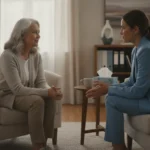
Sometimes, self-criticism can become so severe that it’s hard to overcome on your own. If your low self-esteem is getting in the way of your life, seeking professional support might be the answer. While finding activities that help you feel confident can improve your self-image, therapy may be necessary to break free from negative thinking habits. During counseling, you can learn how to challenge your critical inner voice and focus on your strengths instead. Feeling confident in yourself can open up a whole world of possibilities. You’re less afraid to put yourself out there and meet new friends, and you’re proud to share your knowledge and talents with the world. High self-esteem empowers you to improve your social life, your physical health, and many other aspects of your well-being. If you’re struggling with low self-esteem, it can be hard to imagine feeling truly confident. However, self-esteem is something you can work to build. By engaging in the activities that help you feel good about yourself, you’ll boost your confidence and gain a more positive outlook on your life. Blue Moon Senior Counseling provides therapy services for older adults. If you or a loved one is dealing with low self-esteem or another mental health concern, you can contact us today for professional support.
Cognitive Exercises and Journaling for Self-Worth
The way you think about yourself has a powerful impact on how you feel. Over time, negative self-talk can become a habit, chipping away at your self-worth without you even realizing it. The good news is that you can actively retrain your brain to focus on your strengths and accomplishments. Simple cognitive exercises, especially those involving journaling, can help you build a more positive and realistic self-image. These practices aren’t about ignoring challenges; they’re about giving your positive qualities the attention they deserve. By consistently engaging in these activities, you can create a strong foundation of self-respect that supports your overall mental well-being and confidence in daily life.
Keep a Positive Qualities Record
One of the most direct ways to challenge a negative self-image is to create a running list of your best attributes. Dedicate a notebook specifically to this purpose and start writing down your strengths, skills, and past achievements. Think about compliments you’ve received from friends, family, or colleagues over the years and add those, too. This record serves as concrete evidence against the critical inner voice that tries to tell you you’re not good enough. Whenever you’re feeling down or doubtful, open your notebook and read through the list. This simple act helps rewire your brain to acknowledge your value and focus on your many positive traits.
Try the “Three Good Things” Exercise
Gratitude is a powerful tool for shifting your perspective from what’s lacking to what you have. The “Three Good Things” exercise is a simple but effective way to cultivate this mindset. Each evening before bed, take a few moments to write down three things that went well during the day and your role in making them happen. They don’t have to be monumental events; maybe you had a pleasant conversation with a neighbor, enjoyed a beautiful sunset, or finished a crossword puzzle. This practice trains your brain to scan for positives, fostering a more optimistic outlook and reinforcing your sense of daily accomplishment and value.
Reframe Negative Thoughts
Low self-esteem is often fueled by automatic negative thoughts that we accept as fact. A key skill in building self-worth is learning to challenge these thoughts. When you catch yourself thinking something critical, like “I can’t do anything right,” stop and write it down. Then, look for concrete evidence that contradicts this thought. For example, you could list times you successfully completed a task or helped someone. This process of reframing negative thoughts separates your feelings from the facts, showing you that your inner critic is often unreliable and helping you develop a more balanced and compassionate inner dialogue.
Create a Strengths Collage or Vision Board
If writing isn’t your preferred method of expression, a visual approach can be just as powerful. Creating a strengths collage or vision board is a creative and fun way to celebrate what makes you unique. Grab some old magazines, a pair of scissors, and a poster board. Cut out words, images, and quotes that represent your talents, passions, values, and dreams. Arranging these elements into a collage provides a vibrant, visual reminder of your identity and aspirations. Placing it somewhere you’ll see it often, like your bedroom or office, can serve as a daily source of inspiration and a testament to your personal strengths.
Start an Achievement Reflection Journal
It’s easy to forget our successes, both big and small, as we move through life. An achievement reflection journal is dedicated to capturing these moments. Use a notebook to write down your accomplishments as they happen. This could be anything from learning a new recipe to organizing a closet or reaching a personal health goal. Importantly, also write down how achieving that goal made you feel—proud, capable, or relieved. Reviewing this journal regularly helps you recognize your progress and capabilities, building a strong sense of competence and proving to yourself that you are constantly growing and succeeding in meaningful ways.
Therapeutic Approaches for Building Self-Esteem
While personal exercises are incredibly helpful, sometimes low self-esteem is rooted in long-standing patterns that are difficult to change on your own. If negative self-perceptions are significantly impacting your happiness and ability to engage with the world, working with a therapist can provide the structure and support needed for a breakthrough. Professional counseling offers a safe space to explore the origins of your feelings and learn proven strategies to build lasting self-worth. Therapists are trained to guide you through evidence-based techniques that are specifically designed to challenge self-criticism and foster a healthier relationship with yourself. This collaborative process can empower you with tools that last a lifetime.
Cognitive-Behavioral Therapy (CBT)
Cognitive-Behavioral Therapy (CBT) is one of the most well-researched and effective approaches for improving self-esteem. This type of therapy focuses on the present, helping you identify the connections between your thoughts, feelings, and behaviors. A therapist using CBT will help you recognize the specific negative thought patterns that fuel your low self-worth and teach you how to challenge and replace them with more realistic and constructive ones. By changing your thoughts, you can change your behaviors and, ultimately, how you feel about yourself. It’s a practical, goal-oriented approach that equips you with tangible skills to manage your inner critic.
Dialectical Behavior Therapy (DBT)
Dialectical Behavior Therapy (DBT) offers valuable skills for building self-respect, particularly through its focus on emotional regulation and interpersonal effectiveness. While originally developed for other conditions, its tools are highly effective for anyone looking to improve their self-worth. DBT teaches you how to manage difficult emotions without letting them control you and how to interact with others in a way that maintains your self-respect. One of the most useful tools from DBT for building self-esteem is an acronym that provides a clear guide for making choices that align with your values and honor your needs in social situations.
The FAST Skill for Self-Respect
The FAST skill from DBT is a memorable acronym that helps you protect your self-respect in your interactions with others. It stands for: Be Fair (to yourself and others), no Apologies (for having an opinion or disagreeing), Stick to your values (don’t compromise your beliefs just to please someone else), and be Truthful (act with integrity and avoid dishonesty or excuses). Practicing the FAST skill helps you set healthy boundaries, communicate your needs confidently, and act in a way that you can feel proud of, reinforcing your self-worth through your daily actions and decisions.
Accessing Therapy with Blue Moon Senior Counseling
Taking the step to seek professional help is a powerful act of self-care. If you feel that low self-esteem is holding you back, the therapists at Blue Moon Senior Counseling are here to help. We specialize in providing geriatric counseling services through individual teletherapy, allowing you to connect with a licensed professional from the comfort and privacy of your own home. Our services address a wide range of concerns, including the development of coping skills to improve self-worth. For eligible individuals, therapy is a Medicare Part B covered service, making mental health support accessible. You don’t have to work through these challenges alone; professional guidance can make all the difference.
Free Worksheets and Self-Assessment Tools
If you’re ready to start working on your self-esteem but aren’t sure where to begin, a wealth of free online resources can provide structure and guidance. From comprehensive workbooks to simple, one-page exercises, these tools are designed by mental health professionals to help you reflect on your thoughts and build healthier habits. They can be a great first step before starting therapy or a useful supplement to the work you’re already doing. These resources empower you to take an active role in your mental wellness journey at your own pace, offering practical exercises you can implement right away to start building a stronger sense of self.
Self-Help Workbooks
For those who appreciate a structured, in-depth approach, self-help workbooks can be an excellent resource. The Centre for Clinical Interventions (CCI) offers a fantastic, free self-esteem workbook that you can download and work through at your own pace. It’s broken down into modules that explain what self-esteem is, how it develops, and what keeps it low. The workbook includes numerous exercises and information sheets that guide you through the process of identifying your core beliefs and building a more compassionate self-view. It’s like having a step-by-step manual for improving your confidence and self-worth.
Downloadable Worksheets
If a full workbook feels too overwhelming, you can find countless single-page worksheets online to target specific areas of self-esteem. Websites like Therapist Aid offer a variety of free, downloadable worksheets that are easy to use. You can find tools for gratitude exercises, journaling prompts focused on your strengths, logs for tracking accomplishments, and exercises for challenging negative thoughts. These worksheets provide a simple, focused way to practice cognitive skills and can be easily incorporated into your daily or weekly routine to help you build positive mental habits over time.
Self-Assessment Quizzes
Sometimes, just getting a baseline of where you stand can be a helpful first step. A self-assessment quiz can provide a snapshot of your current self-esteem level and highlight areas you might want to work on. While not a clinical diagnosis, a simple quiz can be a useful tool for self-reflection. For example, Positive Psychology offers a quick, 10-question self-esteem quiz that can help you gauge your feelings of self-worth. Answering the questions honestly can increase your self-awareness and motivate you to explore some of the other exercises and resources available to build your confidence.
Frequently Asked Questions
Why does self-esteem often decline as we get older? It’s common for self-esteem to take a dip after age 60, and it’s usually tied to major life changes. Things like retirement, new health issues, losing a loved one, or even just feeling less independent can shake your sense of identity and purpose. These transitions can make you question your value, but it’s important to remember that this is a reaction to change, not a reflection of your actual worth.
What’s the difference between self-esteem and self-confidence? Think of it this way: self-esteem is your overall opinion of yourself, your fundamental sense of worth. Self-confidence is more specific; it’s your belief in your ability to do certain things. For example, you might be very confident in your ability to cook for your family but still struggle with low self-esteem in general. Building confidence in your skills can certainly help your self-esteem, but they are two separate feelings.
I feel like I’m too old to change my way of thinking. Can these activities really help? Absolutely. Your brain is capable of learning and creating new habits at any age. The activities in this post, like journaling about your strengths or reframing negative thoughts, are exercises for your mind. Just like physical exercise keeps your body strong, these mental exercises help you build new, more positive thought patterns. It takes practice, but you can definitely learn to have a healthier relationship with yourself.
How do I know if I need professional help for my low self-esteem? If your feelings of worthlessness are constant and get in the way of your daily life, it’s a good idea to consider talking to a professional. For instance, if you find yourself avoiding social events, neglecting your health, or feeling persistently sad because of your self-image, therapy can provide the support you need. A therapist can help you uncover the root causes of these feelings and give you proven tools to build lasting self-worth.
How does therapy with Blue Moon Senior Counseling work? We make getting support as easy as possible by offering individual teletherapy. This means you can have your sessions with a licensed therapist over the phone or through video chat, right from the comfort of your home. Our services are designed for seniors and are a Medicare Part B covered service for those who are eligible, making professional mental health care both accessible and convenient.
Key Takeaways
- Self-esteem is your overall sense of personal value, not just confidence in specific skills: It is about accepting and liking yourself as a whole person. This feeling can naturally dip in later life due to major changes like retirement or health issues, but it is not a permanent state and can be improved.
- Small, consistent actions can create significant change: You can build self-worth through daily practices like prioritizing self-care, moving your body, setting achievable goals, and engaging in creative hobbies. These activities provide tangible proof of your capabilities and value.
- Professional support and cognitive exercises are powerful tools: If negative self-talk is persistent, therapy (like CBT) can help you reframe thoughts and build lasting self-respect. Simple journaling exercises, such as keeping a list of your positive qualities, can also retrain your brain to focus on your strengths.