

Grief after the death of a spouse, family member, or close friend can change an older adult’s routines, relationships, and sense of safety. While mourning has no fixed timetable, caregivers may notice when sorrow remains overwhelming and begins to interfere with sleep, meals, personal care, or connection with others.
Complicated grief in seniors describes grief that remains intensely painful long after a loss and may prevent daily functioning. It can involve persistent depression, severe anxiety, suicidal thoughts, or complete withdrawal. When these warning signs appear, professional mental health support can help a senior process the loss and work toward improved quality of life.
Caregivers do not need to diagnose what they see. Their role is to respond with patience, observe meaningful changes, and encourage a compassionate evaluation when grief seems to be keeping an older adult stuck. Understanding how this form of grief differs from expected mourning is a useful first step.
Call (630) 896-7160 to schedule a consultation for the senior you care about.
What is Complicated Grief in Seniors?
Grief is a deeply personal response to losing someone important. For many seniors, sorrow gradually changes over time, even when memories and moments of sadness remain. Complicated grief in seniors describes a more persistent and disruptive pattern. The intensity of the grief remains high long after the loss, and the grieving process does not seem to follow a typical path. A person may feel unable to accept the death, reconnect with daily life, or imagine a meaningful future.
Complicated grief is also called prolonged grief disorder. The terms describe grief that continues with a level of distress or impairment that requires careful clinical attention, rather than suggesting that someone is grieving incorrectly. Research suggests that approximately 7% to 10% of bereaved individuals experience complicated grief. This means that a lasting, overwhelming response is not a personal failure. And it is not something a senior or family member should simply dismiss as a lack of resilience. These definitions and estimates are discussed by the Association for Behavioral and Cognitive Therapies in its fact sheet on complicated grief.
How it differs from expected grief
There is no single schedule for mourning. A senior may have difficult days, feel a strong sense of longing, or experience renewed sadness around birthdays and anniversaries for a long time. Those reactions can be part of a normal, non-linear grieving process. Complicated grief becomes a concern when the distress remains unusually intense and begins to interfere with essential parts of life. Such as sleep, meals, personal care, relationships, medical appointments, or the ability to manage ordinary responsibilities.
Older adults may also face other losses or health challenges at the same time, which can make the emotional impact harder to recognize. A family member might notice that a parent has stopped participating in familiar activities, withdrawn from others, or seems unable to make any adjustment after the death. These changes deserve compassion and attention, not criticism. Complicated grief in seniors is distinct from ordinary bereavement when symptoms persist excessively or impair daily functioning, and professional intervention may be appropriate. Blue Moon Senior Counseling offers bereavement counseling and support for grief and loss through individual teletherapy for older adults.
Recognizing the difference does not mean placing a deadline on grief. It means noticing when suffering has become entrenched and support could help a senior process the loss while protecting daily functioning and quality of life.
Signs and Symptoms of Complicated Grief to Watch For
Grief can affect thoughts, emotions, sleep, energy, and daily routines. The concern is not simply that a senior continues to miss someone deeply. With complicated grief, the distress remains unusually intense and persistent, and it can make ordinary responsibilities feel impossible. The Mayo Clinic describes symptoms such as intense longing for the deceased, difficulty accepting the death, and a feeling that life has lost its meaning.
A senior may talk about the person who died constantly, search for ways to feel close to them, or experience painful yearning that does not ease over time. They may struggle to believe the death has happened, even when they understand it intellectually. Some people also feel detached from their future, relationships, or activities because life seems empty without the person they lost. Emotional numbness can look different from active sadness, so caregivers may also want to learn more about emotional numbness after loss.
Changes that may signal a need for support
Complicated grief may also appear through physical and behavioral changes. Ongoing stress can contribute to sleep disturbances, fatigue, and digestive issues, according to the Association for Behavioral and Cognitive Therapies. A senior who is sleeping very poorly, eating irregularly, or lacking energy may not describe these problems as grief, even when they began after the loss.
- Persistent yearning, preoccupation, or distress connected to the person who died.
- Difficulty accepting the death or imagining a meaningful life going forward.
- Sleep problems, fatigue, or other physical symptoms that continue or worsen.
- Withdrawal from routines, relationships, self-care, or activities that once mattered.
- Grief that stays consistently overwhelming instead of changing in intensity over time.
One important distinction is the effect on functioning. Grief naturally comes in waves, but complicated grief may remain consistently high and prevent a senior from managing everyday activities. Missing appointments, neglecting personal care, avoiding necessary errands, or being unable to participate in familiar routines can all deserve attention. These signs do not establish a diagnosis by themselves, but they indicate that the person may need a careful professional evaluation.
Symptoms can overlap with major depressive disorder, which makes accurate diagnosis critical. A clinician can consider the timing and nature of the loss, the senior’s emotional experience, physical symptoms, safety concerns, and changes in functioning. A therapist can assess if there is persistent depression, severe anxiety, hopelessness, thoughts of suicide, or total withdrawal. An older adult should seek professional help promptly rather than assuming the symptoms are simply a normal part of bereavement.
Why Grief Can Feel Different for Older Adults
Grief does not happen in isolation from the rest of an older adult’s life. A death may occur alongside other major changes, including retirement, a move, declining health, reduced mobility, or the loss of familiar daily roles. The National Institute on Aging notes that multiple losses, health concerns, and physical limitations can create unique challenges during the grieving process. These circumstances may make it harder to maintain routines, attend appointments, stay connected, or find the energy needed for emotional recovery.
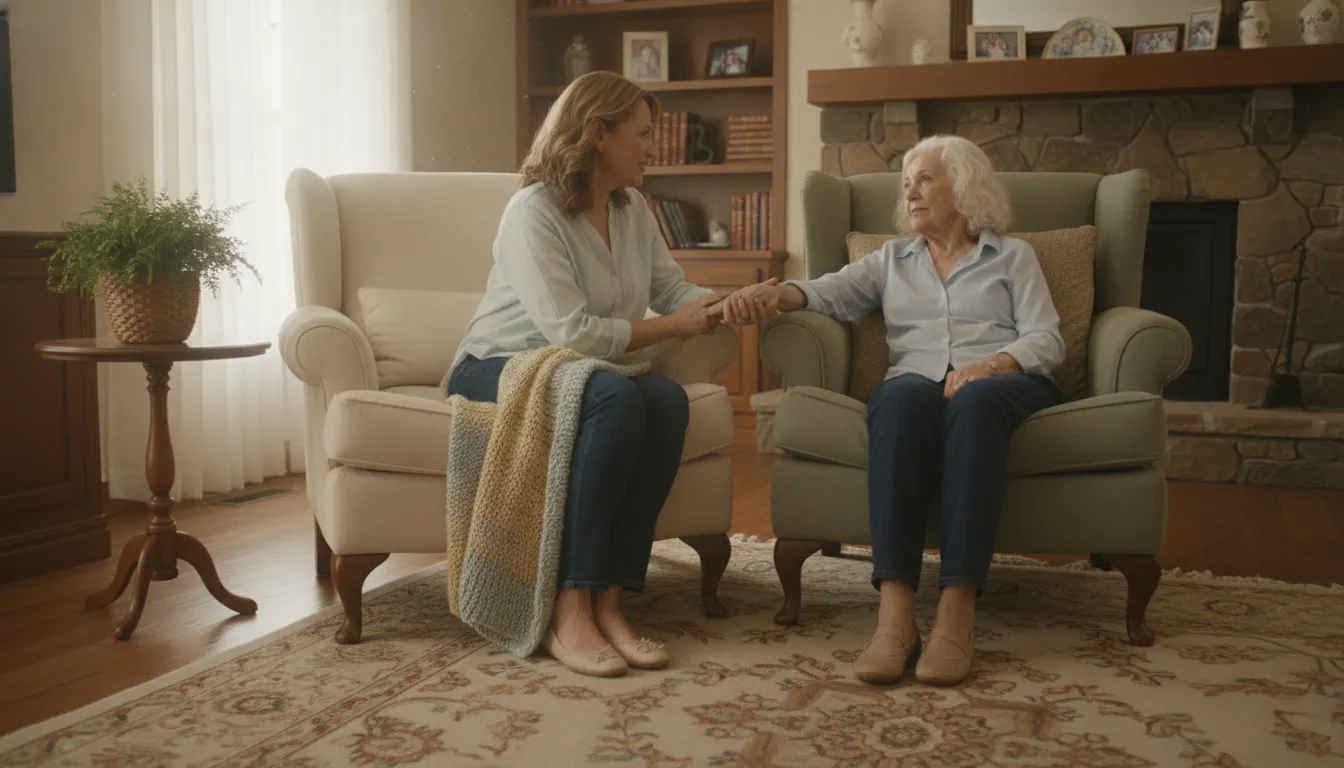
For some seniors, grief is also layered. The death of a spouse may mean losing a life partner, closest companion, household support, and the person who shared everyday decisions. The loss of a spouse is a significant predictor of complicated grief in older adults, in part because it can require profound emotional and practical adjustments. Someone who has already experienced other losses may feel that one death brings earlier grief back to the surface.
Grief may be delayed or emerge after other responsibilities ease
Not every older adult experiences the strongest reaction immediately after a death. Some seniors have delayed grief, with feelings surfacing weeks, months, or even longer after the loss. In the early period, a person may focus on funeral arrangements, family needs, medical concerns, or practical responsibilities. Once those demands lessen, the emotional impact may become more noticeable. A delayed response does not mean the grief is less real, and it is not a sign that someone has failed to cope.
Health and physical limitations can affect how grief is expressed. Fatigue, pain, sleep changes, or difficulty leaving home may limit opportunities for social contact and make ordinary activities feel overwhelming. These challenges deserve attention without assuming that every physical symptom is grief-related. A healthcare professional can help assess changes that may need medical care, while a mental health professional can support the emotional work of mourning.
Isolation can intensify the experience
After a loss, social contact often decreases. An older adult may no longer have a spouse who encouraged outings, managed transportation, or connected the household with friends and family. Hearing difficulties, transportation barriers, or living alone can add to that separation. Social isolation reduces access to reassurance and emotional support, which can exacerbate complicated grief. Families may find it helpful to learn more about senior isolation and loneliness when a grieving person begins withdrawing.
It is also important to recognize the broader emotional demands of the difficulty with the aging process. Persistent distress, withdrawal, or trouble managing daily life is not something a senior must simply endure. Noticing these patterns early can help family members offer patient support and identify when individual professional counseling may be appropriate.
Complicated Grief vs. Normal Grief: How to Tell Them Apart
Grief does not follow a straight line. A senior may feel steady for several days, then experience a sudden wave of sadness, longing, anger, or loneliness after a reminder of the person who died. These fluctuations can be part of normal mourning, even when the loss remains painful.
Recovery also takes time. According to the National Institute on Aging, some people need one to two years to recover from a major loss. The passage of time alone does not determine whether grief is healthy or complicated. A more useful question is whether the intensity gradually becomes more manageable and whether the person can continue basic daily activities.
Differences between normal grief and complicated grief
| Dimension | Normal grief | Complicated grief |
|---|---|---|
| Intensity | Feelings may be very strong, but their intensity rises and falls. Moments of comfort or connection remain possible. | Grief remains consistently overwhelming or becomes increasingly difficult to manage, with little relief between painful episodes. |
| Duration | There is no single timetable. Grief may continue for many months, and some people take one to two years to recover from a major loss. | Severe symptoms persist excessively, especially when the person remains stuck in the same level of distress beyond the first year. |
| Daily functioning | The senior may struggle temporarily but can gradually return to meals, sleep, personal care, relationships, and necessary responsibilities. | Persistent grief interferes with daily functioning. The senior may stop caring for basic needs, withdraw from others, or be unable to manage ordinary responsibilities. |
| When to seek help | Support from trusted people, routines, and time may help. Professional guidance is still appropriate whenever the senior or family feels concerned. | Professional support is especially important when intense symptoms continue for more than one year, prevent daily activities, or make life feel impossible to manage. |
The distinction is not about judging how someone grieves or expecting a senior to “move on.” It is about noticing whether the person has room to adapt while maintaining safety and essential routines. Struggling more than one year after a loss may be a sign that it is time to seek professional support, particularly when functioning has declined. Bereavement counseling can offer a supportive place to discuss what has changed and determine what kind of help may fit.
Family members should pay attention to meaningful changes rather than one difficult day. A sustained inability to eat, sleep, communicate, attend appointments, or handle personal care deserves attention. Complicated grief in seniors can be addressed with compassionate, individualized support. And asking for help does not diminish the importance of the relationship or the depth of the loss.
When to Seek Professional Support for a Senior
Grief does not follow a fixed schedule, and a senior may need time to adjust after losing someone important. However, persistent or worsening symptoms deserve attention, especially when they interfere with daily life. The National Institute on Aging notes that struggling more than one year after a loss may be a sign that professional support is appropriate. This does not mean a senior is grieving incorrectly. It means additional care may make it easier to address pain that has become difficult to manage alone.
Professional support is especially important when grief is accompanied by persistent depression, intense anxiety, suicidal thoughts, or total withdrawal from social life. A senior may stop answering calls, miss meals or appointments, lose interest in familiar activities, or appear unable to manage ordinary responsibilities. With complicated grief in seniors, the intensity can remain consistently high and prevent meaningful participation in everyday activities. Hopelessness can also make the future feel closed off. Counseling can provide a safe, confidential place to talk through these feelings and begin identifying manageable next steps.
What caregivers and friends may notice
Older adults do not always describe the depth of their distress directly. Family members, friends, neighbors, and other caregivers may be the first to notice a meaningful change in behavior. Look for a pattern rather than one difficult day: ongoing isolation, marked changes in sleep or appetite. Frequent expressions of despair, escalating worry, or a loss of interest in relationships and routines. A senior who says life is no longer worth living needs immediate attention. Stay with them if possible and contact emergency services or a crisis resource in your area rather than leaving them alone.
Approach the conversation gently. You might say, “I have noticed that you seem more withdrawn since the loss, and I am concerned about how much you are carrying. Would you be willing to talk with a professional together?” Avoid pressuring the senior to move on or comparing their grief with someone else’s. Listen without judgment, offer to help arrange an appointment, and continue checking in.
When daily functioning is impaired or symptoms persist excessively, senior counseling services may offer individualized support through individual teletherapy. A qualified clinician can help clarify whether symptoms reflect complicated grief, depression, anxiety, or another concern, then discuss a thoughtful path forward.
How Therapy and Medicare Coverage Can Help Seniors Grieve
Therapy can give an older adult with complicated grief a steady, confidential place to talk about the loss and understand why the pain remains so intense. It is not about forgetting a spouse, family member, or friend. Instead, counseling can help a senior process difficult emotions, recognize patterns that interfere with daily life, and gradually make room for meaningful activities alongside grief.
Cognitive Behavioral Therapy (CBT) is among the most effective treatments for complicated grief, according to the Association for Behavioral and Cognitive Therapies. A therapist may use evidence-based strategies to examine thoughts connected with guilt, hopelessness, fear, or helplessness. Treatment can also address the specific relationship with the person who died and the changes that followed the loss. The pace and focus should reflect the senior’s needs, health, history, and readiness.
Recovery remains possible at any age
Age does not mean that a person must remain stuck in overwhelming grief. A randomized clinical trial of 150 elderly persons with complicated grief found that participants benefited from targeted therapeutic interventions. The study supports an important message for seniors and their families: recovery is possible at any age, even when grief has lasted a long time. Recovery does not necessarily mean that sadness disappears or that the relationship with the deceased becomes less important. It can mean improved functioning, fewer symptoms, and a better quality of life.
Therapy may help a senior establish a “new normal” after a major loss. That process can include learning how to manage reminders, rebuilding routines, and finding ways to maintain healthy bonds with memories. Remembering someone with love can remain part of a person’s life while the person also reconnects with present-day relationships, interests, and responsibilities. Progress may be gradual, with difficult days occurring alongside periods of greater stability.
Understanding Medicare coverage
For eligible beneficiaries, outpatient mental health therapy through Medicare Part B can make professional support more accessible. Blue Moon Senior Counseling offers senior counseling services through individual teletherapy, available as a Medicare Part B covered service. Phone or video sessions may help seniors who have transportation limitations, health concerns, or difficulty leaving home.
Coverage details can vary by plan, so families should confirm benefits and cost-sharing requirements before beginning care. A conversation with a qualified counselor can help determine whether individual teletherapy fits the senior’s situation. The goal is not to promise a cure, but to support practical progress, emotional processing, and a fuller quality of life while honoring the importance of the loss.
Steps Caregivers Can Take to Support an Older Adult
Supporting someone through complicated grief in seniors requires patience, attention, and respect for the relationship they are mourning. You do not need to remove the pain or find the perfect words. Your role is to stay present, notice meaningful changes, and help the older adult access steady support when grief begins to interfere with daily life.
- Observe changes without immediately judging them. Family members and friends may be the first to notice that a senior is withdrawing, neglecting usual responsibilities, sleeping poorly, or no longer engaging in everyday activities. Keep track of changes in behavior, mood, appetite, and connection over time. Grief can fluctuate, but consistently intense grief that prevents normal activities deserves attention. Share observations gently rather than labeling the person or insisting that they should be feeling better.
- Listen without judgment or pressure. Invite the older adult to talk about the person who died and the emotions that accompany the loss. Make room for sadness, anger, guilt, regret, or uncertainty without correcting the feelings or rushing toward reassurance. Simple responses such as, “I am here with you,” can be more helpful than trying to explain why the loss happened. Let the senior decide how much to share in each conversation.
- Help maintain regular meals and sleep. Complicated grief can make ordinary routines feel difficult. Offer practical support with regular meal times, hydration, medication reminders when appropriate, and a consistent sleep schedule. These routines do not erase grief, but they can provide structure when the day feels unsteady. Keep the approach collaborative, preserving the older adult’s independence wherever possible.
- Encourage safe connection. Social isolation can intensify grief by reducing emotional support. Offer to accompany the senior to visit trusted friends, attend a faith or community gathering, or participate in a grief support group. Support groups may provide valuable connection alongside individual care. Respect the person’s comfort level, and suggest small, manageable contacts instead of pushing for a busy schedule.
- Make professional support easier to reach. Counseling can provide a safe, confidential environment for difficult emotions such as anger, guilt, and regret. Offer to help identify a qualified clinician, arrange an appointment, or address transportation and technology concerns. Blue Moon Senior Counseling provides support for grief and loss through individual teletherapy. If the senior expresses suicidal thoughts, severe hopelessness, or an inability to stay safe, seek immediate crisis or emergency support rather than waiting for a routine appointment.
Caregivers also need support. You can be compassionate and still set limits, ask others to share responsibilities, and protect time for your own rest. Consistent presence, practical help, and timely professional guidance can help an older adult move toward support without feeling rushed or alone.
Call (630) 896-7160 today to talk with a Blue Moon counselor about a senior’s grief.
Frequently Asked Questions
What are the signs and symptoms of complicated grief in seniors?
Signs may include intense, persistent longing for the person who died, difficulty accepting the death, hopelessness, or a sense that life has lost its meaning. A senior may also withdraw from others, struggle to sleep, feel exhausted, or stop managing everyday activities. The concern is not simply that grief is painful. It is that the intensity remains consistently high and interferes with daily functioning. Symptoms can overlap with depression, so a qualified mental health professional should evaluate the full picture.
How is complicated grief diagnosed in older adults?
Diagnosis involves a professional conversation about the loss, symptoms, duration, relationships, health, and ability to function. The clinician considers whether the response reflects a non-linear grieving process, depression, anxiety, trauma, medication effects, or another health concern. There is no single feeling that proves complicated grief. A careful assessment helps identify the most appropriate support without judging how a senior should mourn.
When should caregivers seek professional support for a senior’s grief?
Caregivers should reach out when grief persists at a disabling intensity, the senior is increasingly isolated. Or there is persistent depression, intense anxiety, hopelessness, suicidal thinking, or major withdrawal. The National Institute on Aging notes that struggling more than one year after a loss may be a reason to seek professional support: NIA guidance on coping with grief and loss. Any mention of suicide requires immediate crisis or emergency support.
What can seniors do with unprocessed grief?
A senior can begin by speaking honestly with a trusted person or counselor, maintaining regular meals and sleep, and accepting practical support with daily routines. Individual therapy can provide a confidential place to express anger, guilt, regret, and painful memories. Treatment is individualized and may help the person process the loss, develop a workable new normal, and maintain a healthy bond with memories while gradually rebuilding daily life.
Ready to Take the Next Step?
Professional support can give a senior and their caregivers a compassionate, confidential place to talk through persistent grief and identify manageable next steps. If you are concerned about how grief is affecting daily life, schedule a free consultation or call (630) 896-7160 to learn more about individual teletherapy. A conversation can help your family understand available support and decide what feels appropriate.