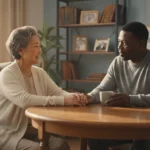

Many people believe that feeling sad, anxious, or lonely is just a natural part of getting older. Let’s be clear: it isn’t. While later life brings unique challenges, from retirement and health changes to the loss of loved ones, your emotional well-being should never be dismissed as inevitable. Prioritizing your mental health is just as crucial as managing your physical health, and support is available. This guide is here to dismantle that myth and provide a clear path forward. We will explore the specific factors that affect senior mental health, identify the warning signs to watch for, and outline actionable steps you can take to feel better.
Aging brings about a number of life transitions. While some of these changes are exciting and meaningful, others are challenging. Seniors may face emotional or social difficulties that they haven’t experienced before, like loneliness, medical problems, or the loss of a spouse. Protecting your mental health in later life is critical. Not only are these difficult situations common, but seniors may also be more vulnerable to developing mental health disorders. Mental health wellness in seniors is a major factor in an individual’s overall quality of life, and it’s important to be proactive in strengthening your mind.
Understanding the Landscape of Senior Mental Health
Mental health is a vital component of overall well-being at every age, and the senior years are no exception. While many older adults enjoy fulfilling lives, it’s also a period that can present unique emotional challenges. Understanding the prevalence of mental health conditions among seniors is the first step toward recognizing the importance of support and treatment. It’s a conversation that affects millions of individuals and their families, highlighting a shared experience rather than an isolated struggle. By looking at the facts, we can dismantle common myths and create a clearer picture of what it means to support mental wellness in later life.
Prevalence and Key Statistics
It’s more common than you might think for seniors to experience mental health challenges. According to the World Health Organization, about 14% of adults aged 70 and older are living with a mental disorder. These conditions contribute significantly to disability in this age group, impacting daily life and overall happiness. Among the various conditions, depression and anxiety are the most frequently diagnosed. Knowing these statistics helps normalize the experience; if you or a loved one are struggling, you are far from alone. This widespread reality underscores the need for accessible and effective mental health care tailored to the needs of older adults.
Common Misconceptions and Conditions
One of the biggest hurdles in addressing senior mental health is cutting through the misinformation. Many people incorrectly assume that feeling down or anxious is just a standard part of getting older. This belief can prevent individuals from seeking the help they deserve. It’s essential to distinguish between the normal emotional ups and downs of life and persistent conditions that require professional attention. Recognizing the key differences between common geriatric mental health issues, such as delirium, dementia, and depression, is crucial for getting an accurate diagnosis and finding the right path forward for treatment and improved quality of life.
Mental Illness Is Not a Normal Part of Aging
Let’s be clear: mental health problems are not a normal part of aging. While older adults may face more physical health issues, most report being satisfied with their lives. The idea that you should simply accept feelings of depression or anxiety because of your age is a harmful myth. According to MedlinePlus, most seniors maintain good mental health. When persistent emotional distress does occur, it’s a sign that something is wrong—not an inevitable consequence of adding another candle to the birthday cake. Acknowledging this empowers you to seek support and validation for your feelings, knowing that treatment can help you feel like yourself again.
The “Three Ds”: Delirium, Dementia, and Depression
In geriatric psychiatry, professionals often refer to the “Three Ds”: delirium, dementia, and depression. While they can have overlapping symptoms, they are distinct conditions. Delirium is a sudden state of confusion, while dementia involves a progressive decline in cognitive function. Depression, however, is the most common of the three and is primarily a mood disorder. Research indicates that depression affects a significant portion of the older population. The good news is that unlike many forms of dementia, depression is highly treatable through therapy, medication, or a combination of both, offering a hopeful path toward recovery.
Risk Factors and Warning Signs
Certain life events and circumstances can increase the risk of developing mental health conditions in later life. These risk factors aren’t a guarantee of problems, but they do make some individuals more vulnerable. Things like losing a loved one, managing a chronic illness, or experiencing financial strain can take a significant emotional toll. Recognizing these potential triggers is important for both seniors and their families. By understanding what can affect mental well-being, you can be more proactive in seeking support. It’s also crucial to know the specific warning signs of a mental health condition so you can identify them early and take action before they become more severe.
Factors That Can Affect Senior Mental Health
A variety of factors can influence an older adult’s mental state. Some are tied to the natural aging process, such as coping with physical limitations or chronic pain. Others are social and environmental. For example, the loss of friends or a spouse can lead to profound grief and loneliness. Financial worries or a loss of independence can also create significant stress. It’s the combination of these life changes that can sometimes feel overwhelming. Understanding these pressures helps create empathy and highlights the need for strong support systems, whether from family, friends, or professional counselors who specialize in the challenges of aging.
Social and Financial Pressures
Loneliness and social isolation are major contributors to mental health issues in older adults. As friends and family move away or pass on, it can become harder to maintain a strong social network. The World Health Organization identifies these factors, along with abuse, as significant risks. Financial pressures, such as living on a fixed income while the cost of living rises, can also create chronic stress and anxiety. These external pressures are not personal failings; they are real-world challenges that can impact anyone’s mental state. Finding ways to stay connected and manage stress is key to protecting your emotional well-being.
Ageism and Abuse
Ageism, or discrimination based on age, can have a deeply negative impact on a senior’s mental health. When older adults are treated as if they are invisible, incapable, or a burden, it can erode their self-esteem and sense of purpose. This form of prejudice can show up in social situations, in the workplace, or even within families. In its worst forms, it can lead to neglect or abuse—both of which are serious threats to mental and physical health. The World Health Organization emphasizes that protecting older adults from ageism and abuse is vital for their well-being, reinforcing the need for respect and dignity at every stage of life.
Recognizing the Symptoms of a Mental Health Condition
Knowing the warning signs of a mental health issue is the first step toward getting help. These symptoms can sometimes be subtle and easily dismissed as “just a bad day” or a normal part of aging. However, persistent changes in mood or behavior warrant attention. According to the National Institute of Mental Health, key signs include noticeable shifts in mood, energy levels, or appetite. You might also observe feelings of hopelessness, a loss of interest in once-enjoyed activities, or recurring thoughts of death. If these symptoms last for more than a few weeks, it’s a signal that it’s time to talk to someone.
Pathways to Getting Help
Taking the step to seek help for a mental health concern is a sign of strength, not weakness. Fortunately, there are clear and accessible pathways to support for older adults. The journey often begins with a simple conversation, and from there, a variety of effective treatment options become available. Overcoming internal hesitation or external barriers, like stigma, is often the biggest challenge, but it’s one that can be managed. For those in immediate distress, there are also crisis resources available 24/7. Knowing where to turn and what to expect can make the process of finding help feel much less intimidating and more empowering.
Starting the Conversation With a Doctor
A great first step is to talk with your primary care doctor. Your doctor knows your health history and can help rule out any physical causes for your symptoms. They can also provide a referral to a mental health specialist. According to MedlinePlus, it’s important to get help if you suspect you or an older adult you know has a mental health problem. Bringing up your concerns during a routine check-up can be a low-pressure way to start the conversation. Be honest about how you’ve been feeling—your doctor is there to help you, not to judge you.
Exploring Treatment Options
Once you’ve decided to seek help, there are several effective treatment options to consider. The right approach depends on your specific needs and preferences, but most mental health conditions respond well to professional care. For many seniors, a combination of therapy and medication provides the most relief, but either can be effective on its own. The goal is to find a sustainable plan that helps you manage your symptoms and improve your quality of life. It’s also important to find a provider you trust and feel comfortable with, as the therapeutic relationship is a key part of the healing process.
Therapy and Medication
Mental health conditions are treatable. The most common approaches are talk therapy, medication, or a combination of both. Talk therapy, or psychotherapy, provides a safe space to discuss your feelings and learn new coping skills. At Blue Moon Senior Counseling, we offer individual teletherapy, allowing you to connect with a licensed therapist from the comfort of your home. This is a Medicare Part B covered service, making it an accessible option for many. For some conditions, medication may also be recommended by a doctor or psychiatrist to help manage symptoms like anxiety or depression, often working alongside therapy to provide comprehensive support.
Overcoming Stigma and Barriers to Care
Unfortunately, the stigma surrounding mental health can prevent many older adults from seeking help. Some may feel ashamed or worry about being a burden to their families. Practical barriers, like transportation issues or mobility limitations, can also make it difficult to attend in-person appointments. This is where telehealth can make a significant difference. Telehealth services offer a private, convenient way to receive high-quality care without leaving home. By removing these common obstacles, more seniors can access the support they need to thrive.
Immediate Support in a Crisis
Sometimes, mental health challenges can become a crisis. It’s essential to know that there is immediate, free, and confidential help available if you or someone you know is in severe distress or thinking about suicide. These resources are designed to provide urgent support in critical moments. Having this information on hand can be life-saving. Please don’t hesitate to use these services if you feel you are in danger. Your life is valuable, and there are people who want to help you through the darkest moments and guide you back to safety.
Understanding Suicide Risk in Older Adults
It is a sobering fact that older adults have a high risk of suicide. The World Health Organization reports that people aged 70 or older account for about one-sixth of all suicides globally. This statistic highlights the urgency of addressing mental health issues like depression and isolation in this population. Feelings of hopelessness, being a burden, or living with chronic pain can contribute to these thoughts. Recognizing the severity of this risk is crucial for families, caregivers, and healthcare providers. It underscores the importance of taking any mention of suicide seriously and connecting individuals with immediate professional help.
How to Access the 988 Suicide and Crisis Lifeline
If you or someone you know is in crisis or thinking about suicide, help is available right now. You can call or text the 988 Suicide and Crisis Lifeline at any time to connect with a trained crisis counselor. This service is free, confidential, and available 24/7. According to the National Institute of Mental Health, this is the go-to resource for immediate support. You don’t have to go through this alone. Reaching out to 988 can provide the immediate intervention needed to ensure safety and connect you to ongoing support resources.
Guidance for Caregivers and Family Members
If you’re a caregiver or family member of an older adult struggling with their mental health, your support is invaluable. However, it can also be challenging to know the best way to help. Your role is not to be a therapist, but to provide compassion, encouragement, and practical assistance. Learning how to effectively support your loved one can make a significant difference in their recovery journey. It’s also important to recognize the signs that more professional help is needed and to know when to step in to help coordinate care. Remember to take care of your own well-being, too, as caregiver burnout is a real concern.
Practical Ways to Provide Support
Providing support doesn’t always mean having deep, emotional conversations. Often, the most helpful things you can do are practical. Assisting with daily tasks, helping to manage appointments, and creating a calm, stable environment can relieve a great deal of stress for your loved one. Simple acts of kindness, like preparing a meal or just sitting with them to watch a movie, can also help combat feelings of loneliness. The goal is to show you care and are there for them, reducing their burdens so they can focus on feeling better.
Organizing Medical Information and Managing Medications
One of the most helpful things a caregiver can do is help organize medical information. Banner Health suggests keeping a dedicated folder with all medical records, a list of diagnoses, current medications, allergies, and doctor contact information. This is incredibly useful during appointments and in case of an emergency. You can also help by ensuring medications are taken correctly and on time, as missed doses can impact both physical and mental health. A simple pill organizer can make a world of difference in maintaining a consistent medication schedule.
Tracking Symptoms and Behaviors
Keeping a simple log of your loved one’s symptoms and behaviors can be very helpful for their healthcare team. Note any changes you observe in their mood, memory, or daily habits. Are they withdrawing from social activities? Do they seem more confused or agitated than usual? Writing down these observations, along with the date they occurred, provides doctors and therapists with valuable information that can aid in diagnosis and treatment planning. This log can help you communicate more effectively during appointments, ensuring that all concerns are addressed.
Knowing When More Help Is Needed
As a caregiver, it’s important to recognize the signs that your loved one may need a higher level of care. If you notice increasing confusion, distress, or agitation, it’s a sign that their current support may not be enough. Other red flags include significant memory problems, forgetting to take medications, or missing important appointments. These behaviors suggest that it’s time to consult with their doctor or a mental health professional to discuss next steps. Intervening early can prevent a crisis and ensure your loved one gets the comprehensive care they need to be safe and well.
7 Actionable Ways to Support Senior Mental Health
1. Find Your Community and Connect Often
Loneliness is one of the most common struggles for seniors, and it can have severe mental health consequences. Humans are social by nature, and we all need to have meaningful connections with others. Older adults are more likely to live alone or lack regular contact with friends and family, so seniors should look for as many social opportunities as possible. Scheduling recurring social events can be a great option for older adults. It’s easy to let months pass by without seeing a friend, but by adding recurring meetings to your calendar, you’ll be sure to maintain that connection. This is a helpful way to settle into a routine as well, which can promote senior mental health. If you don’t have a lot of close friends or family members nearby, you could look to your community to find social events. You may have a local senior meetup group or senior center that hosts classes or other gatherings. Some even offer transportation, which makes attending these programs far easier.
2. Rediscover Your Purpose Through Volunteering
One common factor in senior mental health is struggling to find a sense of purpose in day-to-day life. When you’re retired with grown-up children, the things that used to define you may not be a part of your identity anymore. To protect your mental health, you should find new activities that add meaning to your life. Volunteering can be an impactful way to make a difference in your community. You could volunteer your time at a local food pantry, hospital, school, or other organization. This can give you a sense of pride and purpose, which is the key to good mental health. This has other benefits for seniors mental health, too. Volunteering is typically a social experience, and it may be an opportunity to get more movement and physical activity in your day. If you make volunteering a recurring part of your schedule, you may also find that the routine helps you feel stable and grounded.
3. Keep Your Mind Sharp with Puzzles and Games
Skills like language, memory, and focus can all have an effect on your mental health. When you struggle to connect with the world around you, you may feel depressed, anxious, or confused. Maintaining your cognitive health is an important way to protect your mental health as you get older. By retaining your ability to communicate with others, you can go about your life with more confidence and ease. Games and puzzles are helpful ways to improve your cognitive skills. When you’re alone, you could work on jigsaw puzzles, crosswords, Sudoku puzzles, or adult coloring books. With friends or family, you could play card games or board games to keep your mind sharp. This gives you a chance to spend time with loved ones, too, which has countless mental health benefits. Supporting mental health wellness in seniors can be as simple as joining a book club, taking a class, or learning something new. These activities keep the brain active and build social connections, both key to staying sharp and emotionally balanced with age.
4. Get Moving for a Mood Lift
Physical activity is one of the best mental health practices at any age. Not only is exercise good for your heart, joints, and muscles, but it also has significant benefits for mental health wellness in seniors. Exercising can reduce symptoms of depression, alleviate anxiety, and boost your mood. Even if you don’t have a mental health disorder, exercise can improve your quality of life. Creating an exercise routine adds structure and predictability to your day, and it can provide an opportunity to get outside and socialize with others. The physical health benefits can make you feel happier, too.
5. Express Yourself Through a Creative Hobby
You don’t have to be a professional artist or musician to engage in a creative pursuit. Whether the creative arts are a long-time passion or a brand new hobby, they can be a valuable asset for senior mental health. Here are some ideas for creative or artistic hobbies you could try out: • Painting • Musical instruments • Scrapbooking • Knitting or crocheting • Singing • Creative writing • Jewelry making Creative activities are good for senior mental health because you can see the results of your hard work. You put time and effort into developing an artistic skill, and you get to see the final product. The sense of accomplishment can be a great boost for your mental health, and you’ll have something to show off or share with family and friends. These hobbies can be a cognitive challenge, too. Your cognitive health is closely linked to your mental health, so exercising your mind by learning these new skills can make you feel more alert, engaged, and motivated.
6. Consider the Companionship of a Pet
Pets aren’t for everyone, and you shouldn’t get a pet if you can’t care for them. However, if you like animals, adopting a pet can be an excellent way to improve your mental health. A pet can be a very soothing and welcoming presence in your home, especially if you live alone. Petting an animal can reduce stress and anxiety, and taking care of your pet can boost your overall mental health. Having someone to care for adds a sense of meaning and purpose to your day, and it helps you stay engaged with the world around you.
7. Talk to a Professional When You Need Support
Sometimes, senior mental health is manageable with lifestyle changes and social support. Other times, professional help is needed. So many people have struggled with mental health disorders but have learned to cope with them through counseling. People of all ages and backgrounds go to therapy, and the experience can provide great outcomes for senior mental health. A mental health therapist can offer a safe and private environment for you to explore your emotions. You can work through difficult life events and find coping skills for depression or anxiety. For many seniors, counseling is also an opportunity to connect and communicate with someone else. The regular social contact can improve your cognitive health and add more structure to your life. If you or a loved one is aging, you should be aware of how important senior mental health is. Strong mental health can make all the difference in your quality of life so that you can truly enjoy your years in retirement. Take small steps every day to work on your emotional and mental health, and reach out for support when you need it. Blue Moon Senior Counseling offers mental health services for seniors. Our counselors specialize in senior mental health and the unique challenges older adults may face. Contact us to learn more about our services.
Frequently Asked Questions
How can I tell if what I’m feeling is a normal part of aging or something more serious like depression? It’s normal to feel sad or down in response to life’s challenges, like losing a friend or dealing with a health issue. The key difference is that these feelings are usually temporary. A mental health condition like depression, however, involves persistent feelings of hopelessness, emptiness, or a loss of interest in activities you once enjoyed that last for more than a few weeks. If your mood is consistently low and it’s getting in the way of your daily life, it’s a sign that it’s time to talk to someone.
I’m interested in therapy, but it’s hard for me to leave my house. What are my options? This is a common and completely valid concern. Fortunately, telehealth has made mental health care much more accessible. You can receive high-quality individual therapy from a licensed professional over the phone or through a video call, right from the comfort of your home. This eliminates any worries about transportation or mobility, allowing you to focus entirely on your session in a private, comfortable setting.
How can I bring up my mental health concerns with my family doctor? Starting this conversation can feel intimidating, but your doctor is a great ally. You can begin by simply saying, “I haven’t been feeling like myself lately,” and then describe your symptoms. It can be helpful to write down a few notes beforehand about how your mood, sleep, or appetite has changed. Remember, your doctor discusses these topics regularly; for them, it’s a health conversation, just like talking about blood pressure.
My elderly parent seems to be struggling, but they won’t talk about it. How can I help? It can be difficult when a loved one resists help. A good approach is to express your concern from a place of love and support, rather than judgment. You could say something like, “I’ve noticed you seem down lately, and I’m worried about you. I’m here if you ever want to talk.” You can also offer practical help, like scheduling their doctor’s appointments or simply spending quiet time with them, which can help reduce feelings of isolation and show you care.
Is counseling for seniors covered by Medicare? Yes, in many cases it is. Mental health services, including individual teletherapy for conditions like depression and anxiety, are often a Medicare Part B covered service. This makes professional support financially accessible for many older adults. It’s always a good idea to confirm the specifics of your plan, but you should know that getting help is often more affordable than people realize.
Key Takeaways
- Mental health is not an age issue: Feeling persistently sad or anxious is not a normal part of getting older, and effective treatments are available to help you regain your sense of well-being.
- Recognize the signs and risk factors: Be mindful of how life events like loss or health changes impact your emotions, and watch for lasting shifts in mood or behavior as a signal to seek help.
- Accessible support is available: Start by talking to your doctor about how you’re feeling, and consider options like teletherapy, which offers convenient and private counseling covered by Medicare Part B.
Related Articles
- What Does Depression Look Like in Older Adults
- Empowering Seniors: A Holistic Approach to Mindfulness, Wellness, and Combating Loneliness
- Elderly Depression Therapy | Support for Seniors’ Mental Health
- Factors Surrounding Suicide Among Older Adults
- Signs of Loneliness in Elderly: 6 Key Signs & Ways to Help