

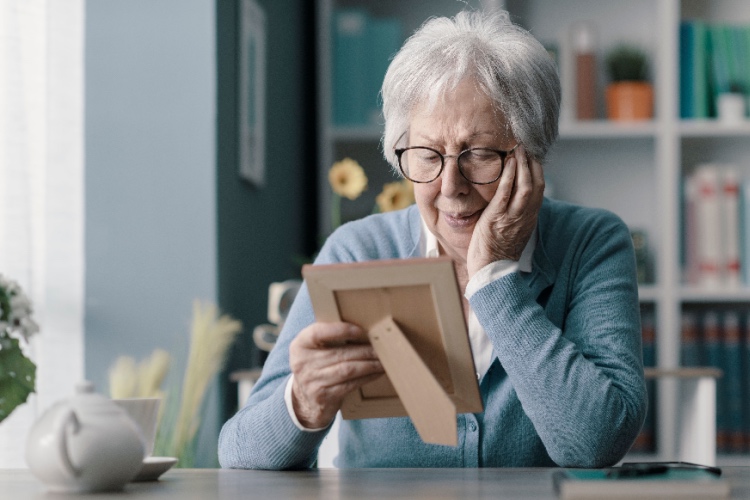
Grief does not follow a timeline, and it does not come with rules about when someone should feel better or be ready to move forward. For many seniors, the pressure to “move on” after a loss can feel heavy and unrealistic. The truth is that healing does not require forgetting or letting go of someone who mattered deeply. Instead, healing often means finding a way to move forward while still honoring the connection that remains.
Table of Contents
- Why “Moving On” Can Feel Impossible
- How Continuing Bonds Can Support Healing
- The Emotional Experience of Moving Forward
- Ways Seniors Can Honor the Past While Being Present
- A Supportive Path Toward Healing With Blue Moon Senior Counseling
- Frequently Asked Questions
Why “Moving On” Can Feel Impossible
The phrase “move on” is often used with good intentions, but it rarely fits the real experience of grief. For seniors who have lived full lives with partners, friends, siblings, or children, loss carries layers that run deep.
Grief Is Not Something You Finish
Grief evolves, shifts, and changes shape over time, but it never truly disappears. For many older adults, the person they lost played a meaningful role in their daily life. The memories are woven into routines, stories, traditions, and shared history.
This is why “moving on” can feel dismissive. It implies leaving something behind that cannot simply be put away. Healing does not mean closing a door. It means learning to walk with the weight of grief in a way that feels more manageable.
The Fear of Forgetting
Some seniors worry that trying to feel better might mean losing a part of the person they loved. They may fear that enjoying life again could feel like a betrayal. These emotions are normal and are part of why “moving forward” feels more realistic and compassionate than “moving on.”
The goal is not to forget but to create space for both memory and present life.
The Role of Loneliness
According to a study from AARP., 40% of U.S. adults now report being lonely. When someone loses a partner or close loved one, daily life can suddenly feel unfamiliar. The routines, conversations, and shared responsibilities are gone, leaving silence where connection once lived. Loneliness can intensify grief and make healing feel out of reach.
Moving forward means slowly rebuilding connection, not replacing what was lost.
Outside Pressure and Expectations
Comments from others, even well-meaning ones, can add emotional pressure. Statements like “you should be feeling better by now” or “you have to move on” can make seniors question their progress or feel misunderstood.
Healing is not measured by time. It is measured by how supported and understood someone feels along the way.
How Continuing Bonds Can Support Healing
One of the most meaningful shifts in modern grief support is the understanding that people do not have to let go of their loved one to heal. Instead, they can create what is known as a continuing bond.
What Is a Continuing Bond
A continuing bond is the idea that relationships do not end when a person passes away. They change shape, but they remain part of someone’s life. This bond can bring comfort, stability, and a sense of connection during the healing process.
Examples include:
- Talking to a loved one in moments of reflection
- Keeping a meaningful object nearby
- Visiting a favorite place
- Sharing stories with family
- Continuing a tradition that mattered to both people
These actions honor the connection while allowing life to move at a healthy pace.
Why This Approach Feels Natural for Many Seniors
Seniors often have decades of shared memories with the people they have lost. These stories are part of who they are. Erasing them would feel impossible and unnecessary. Continuing bonds offer a compassionate alternative that respects the depth of these relationships.
How It Helps Reduce Emotional Pressure
When seniors learn that they do not have to “move on,” the emotional burden can lighten. They feel less pressure to hide their grief or pretend they are further along in the healing process than they are.
This relief creates room for new experiences without guilt or confusion.
The Role of Meaning and Legacy
Many seniors find comfort in thinking about how their loved one influenced the kind of person they became. The lessons, values, and memories that remain can be carried forward. Moving on suggests leaving this behind, but moving forward allows these qualities to stay present.
The Emotional Experience of Moving Forward
Moving forward with grief is not a straight path. Some days feel lighter. Others feel heavy or overwhelming. This emotional range is normal, and it reflects the complexity of love and loss.
Moments of Progress That Feel Surprising
Often, seniors notice progress in small, unexpected moments. They may realize they felt peaceful during a morning walk or found themselves laughing with a family member. These moments do not erase grief. They simply show that comfort and sorrow can exist together.
Guilt About Feeling Better
It is common for seniors to feel guilty when they experience joy after a loss. They may question whether they are allowed to feel happy or wonder if others will think they are forgetting too quickly.
Moving forward means understanding that joy does not diminish love. Both emotions can coexist.
Days When Grief Feels Fresh Again
Even after months or years, certain days can reopen emotional wounds. Anniversaries, holidays, or simple reminders can bring grief to the surface. This does not mean someone is going backward. It means the connection was meaningful.
How Emotional Expression Helps Healing
Research shows that talking about grief, expressing emotion, and sharing memories can help seniors feel more grounded. Emotional expression is not a sign of weakness. It is a sign of engagement with life and a willingness to heal.
A variety of experiences may arise during this process:
- Anger about the loss
- Sadness or longing
- Gratitude for shared time
- Relief at moments of peace
- Confusion about what life looks like now
These reactions are not contradictions. They are part of the healing journey.
Ways Seniors Can Honor the Past While Being Present
Healing does not mean choosing between the past and the present. It means making space for both. Seniors who want to honor a loved one while still living fully can use a variety of supportive approaches.
Maintaining Meaningful Rituals
Small rituals can offer comfort and stability. They may include:
- Lighting a candle on special days
- Keeping a photo in a favorite place
- Listening to music that brings back warm memories
- Writing letters to express thoughts and feelings
These rituals keep the connection alive in a gentle, supportive way.
Creating New Sources of Joy
Even while carrying grief, seniors can create new routines, hobbies, or relationships that bring fulfillment. Exploring new activities does not replace the past. It simply adds to the present.
Some seniors find meaning in:
- Joining a club or community group
- Pursuing creative interests
- Gardening or spending time outdoors
- Building deeper connections with family or friends
These moments can create purpose and emotional balance.
Understanding Emotional Triggers
A therapist can help seniors identify the situations or reminders that make grief feel more intense. With support, these triggers can become more manageable, reducing emotional overwhelm.
Giving Yourself Grace
Healing takes time, patience, and compassion. Seniors benefit from reminding themselves:
- There is no right or wrong timeline
- Grief does not disappear all at once
- Feeling better does not mean letting go
- Taking small steps forward is meaningful progress
A Supportive Path Toward Healing With Blue Moon Senior Counseling
Moving forward without moving on honors the truth that love does not end. Seniors can carry their memories while also building new moments of meaning, connection, and peace. Grief may never vanish completely, but it can become lighter when there is support, understanding, and space to heal at a comfortable pace.
At Blue Moon Senior Counseling, our licensed therapists help seniors explore their grief with compassion and guidance. If the weight of loss feels heavy or if you want support as you navigate this new chapter, we are here to help.
If you feel ready to talk with someone who understands the emotional changes you are experiencing, you can reach out to Blue Moon Senior Counseling to connect with a licensed therapist who will support you at yown our pace.
Frequently Asked Questions
1. Is it normal to feel like I cannot move on after a loss?
Yes. Many seniors find that the idea of “moving on” does not match what they feel. Healing often means moving forward while still honoring the relationship.
2. What does moving forward look like?
Moving forward involves healing at your pace, finding new routines, allowing joy into life again, and holding memories with care.
3. Can I heal without forgetting my loved one?
Absolutely. Healing is not about forgetting. It is about carrying memories in a way that feels comforting instead of overwhelming.
4. How do I deal with guilt when I start feeling better?
Guilt is common, but feeling joy does not mean you are leaving your loved one behind. A therapist can help you work through these feelings.
5. How can counseling support grief healing?
Counseling offers a safe space to talk, understand emotions, explore memories, and build coping strategies that help you move forward with confidence and peace.