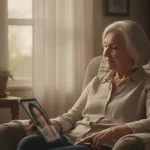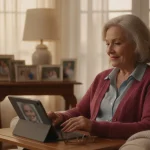

Living with a chronic illness can change far more than a medical routine. Symptoms, appointments, uncertainty, and changes in independence may affect mood, relationships, and confidence. Emotional support can help an older adult make space for those experiences while continuing to work with medical professionals on physical care.
Therapy for seniors with chronic illness may offer a private place to discuss fear, grief, anxiety, isolation, or role changes and develop practical coping goals. Blue Moon Senior Counseling provides individual teletherapy by phone or video with Licensed Clinical Social Workers, and plans are shaped around the senior’s priorities and consent.
Schedule individual senior counseling through Blue Moon’s referral form.
Counseling does not replace medical treatment or promise a particular outcome. Instead, it can complement ongoing care by helping seniors and caregivers understand the emotional side of adjustment. The first step is recognizing the challenges chronic illness may create and how they can affect daily life.
What emotional challenges can chronic illness create for older adults?
A chronic illness can affect much more than the body. After a diagnosis, an older adult may feel fear about what comes next. Grief for routines or abilities that have changed, anger about an unwanted loss, or uncertainty about how daily life will look. These reactions are not a sign of weakness. They can be part of adjusting to a condition that changes expectations, responsibilities, and a sense of independence. Research on chronic illness describes emotional responses that may include anxiety, depression, grief, shock, stigma, and strain in relationships. Each person’s experience is different, and a difficult emotion does not by itself establish a diagnosis. Research on emotional adjustment to chronic illness provides helpful context.
Fear and uncertainty can make ordinary decisions feel harder
Health changes can introduce questions that have no immediate answer. An older adult may wonder whether symptoms will worsen, how treatment will affect familiar routines, or whether help will be available when needed. Repeated appointments, changes in energy, and new limits may also make the future feel less predictable. Worry can affect sleep, concentration, motivation, and communication with family.
Grief, role changes, and loss of independence may overlap
Grief is not limited to the death of a loved one. Someone living with chronic pain, diabetes, Parkinson’s disease, cancer, or another long-term condition may grieve changes in mobility, work, hobbies, intimacy, or the ability to manage tasks alone. A spouse or adult child may begin helping with transportation, medications, meals, or appointments. That support can be valuable, but a changed role may also bring embarrassment, frustration, or concern about becoming a burden. Counseling can make room for these feelings while keeping the older adult’s goals, privacy, and choices at the center.
Isolation can add another layer of emotional strain
Reduced mobility, fatigue, pain, or fear of being misunderstood can make it harder to stay connected. Fewer social activities may leave an older adult feeling lonely even when family members are involved. Blue Moon Senior Counseling lists illness-related coping, grief, anxiety, depression, adjustment concerns, and isolation among the reasons adults age 65 and older may seek support. Its counseling services include individual psychotherapy delivered by licensed clinical social workers.
Family members may help someone explore therapy for seniors with chronic illness, but the senior’s consent and confidentiality remain essential. Blue Moon serves adults through a multi-state network, so location and clinician licensure should be verified before services begin. Individual support may complement medical care and rehabilitation; it does not replace them or promise a particular outcome.
How can therapy for seniors with chronic illness support coping?
Living with a long-term condition can require more than following a medical plan. A senior may need to adjust routines, respond to changing abilities, make decisions about help, and grieve losses that are difficult for others to see. Adaptation can involve cognitive, emotional, and behavioral effort, especially when symptoms or treatment demands change over time. Research describes psychosocial support as one way people can develop skills for navigating life with chronic disease, rather than treating emotional needs as separate from daily health challenges. This review of chronic illness adaptation discusses those emotional and practical dimensions.
Therapy for seniors with chronic illness may provide a private setting to name what feels overwhelming and turn broad worries into manageable goals. The work is collaborative. A senior and therapist might explore what has changed, identify which concerns deserve attention first, and consider coping strategies that fit the person’s energy, values, and medical circumstances. Counseling does not replace medical care, rehabilitation, or instructions from a healthcare professional. It can complement those services by supporting the emotional work of living with an ongoing condition.
What might coping-focused counseling address?
The focus depends on the person’s needs and preferences. For someone living with chronic pain, diabetes, Parkinson’s disease, cancer, or another serious condition, possible areas of discussion may include:
- Adjusting to a diagnosis, treatment routine, or change in physical independence.
- Managing worry, sadness, frustration, anger, uncertainty, or grief connected with illness.
- Identifying practical problems that make routines harder and considering realistic solutions.
- Strengthening communication with family members, caregivers, and medical providers.
- Using relaxation or grounding practices when stress becomes difficult to manage.
These are possible directions, not a guaranteed prescription. Some clients may benefit from cognitive behavioral therapy adapted for older adults, while others may find interpersonal therapy, problem-solving therapy, relaxation training, or bereavement techniques more relevant. The approach should reflect the senior’s goals and the concerns brought to counseling. Blue Moon outlines these options through its counseling services information.
How can individual teletherapy make support more workable?
When travel, fatigue, mobility limits, or living arrangements make office visits difficult, individual phone or video sessions may reduce logistical strain. Blue Moon provides individual teletherapy for older adults by phone or video, with no in-person visit required. The appropriate format can depend on hearing, vision, privacy, internet access, device comfort, and personal preference. A senior does not have to choose the most technologically advanced option. The goal is a format that allows the person to participate comfortably and privately. Learn more about individual teletherapy for older adults.
Family members may help initiate services, but the senior’s autonomy and confidentiality remain important. With the client’s consent, a caregiver can sometimes contribute useful context. The senior should still have a voice in goals, session format, and the concerns discussed. If there is an immediate safety concern or crisis, routine counseling is not a substitute for urgent medical or crisis support.
What role do teletherapy and daily routines play?
Living with chronic illness can make ordinary plans feel less predictable. Appointments, symptoms, changes in energy, and concerns about independence may interrupt sleep, social contact, meals, or activities that once gave the day structure. A supportive routine does not need to be rigid. It can provide a few dependable points of connection and self-care while leaving room for rest and medical needs.
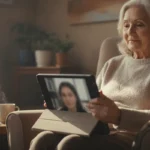
Individual teletherapy can help a senior talk through the emotional effects of these changes with a licensed clinical social worker. Blue Moon Senior Counseling offers phone counseling and video teletherapy, so an older adult can discuss stress, grief, isolation, or adjustment without traveling to an office. The practice describes phone and video as flexible options, not as a choice in which one method is always better. The right option depends on comfort with technology, privacy, accessibility, hearing or vision needs, and the ability to connect reliably.
Phone and video teletherapy considerations
| Consideration | Phone counseling | Video teletherapy |
|---|---|---|
| Technology | Uses a familiar phone connection and may feel simpler for some seniors. | Requires a compatible device, internet connection, and comfort joining a video session. |
| Connection | Allows conversation without needing to manage a camera or remain on screen. | Allows the therapist and client to see one another during the conversation. |
| Privacy and access | Can be used in a private location that supports a confidential conversation. | Requires a private space and attention to device, platform, and internet privacy. |
| Planning | May fit a routine when travel or mobility is difficult. | May fit a routine when the senior prefers remote face-to-face contact. |
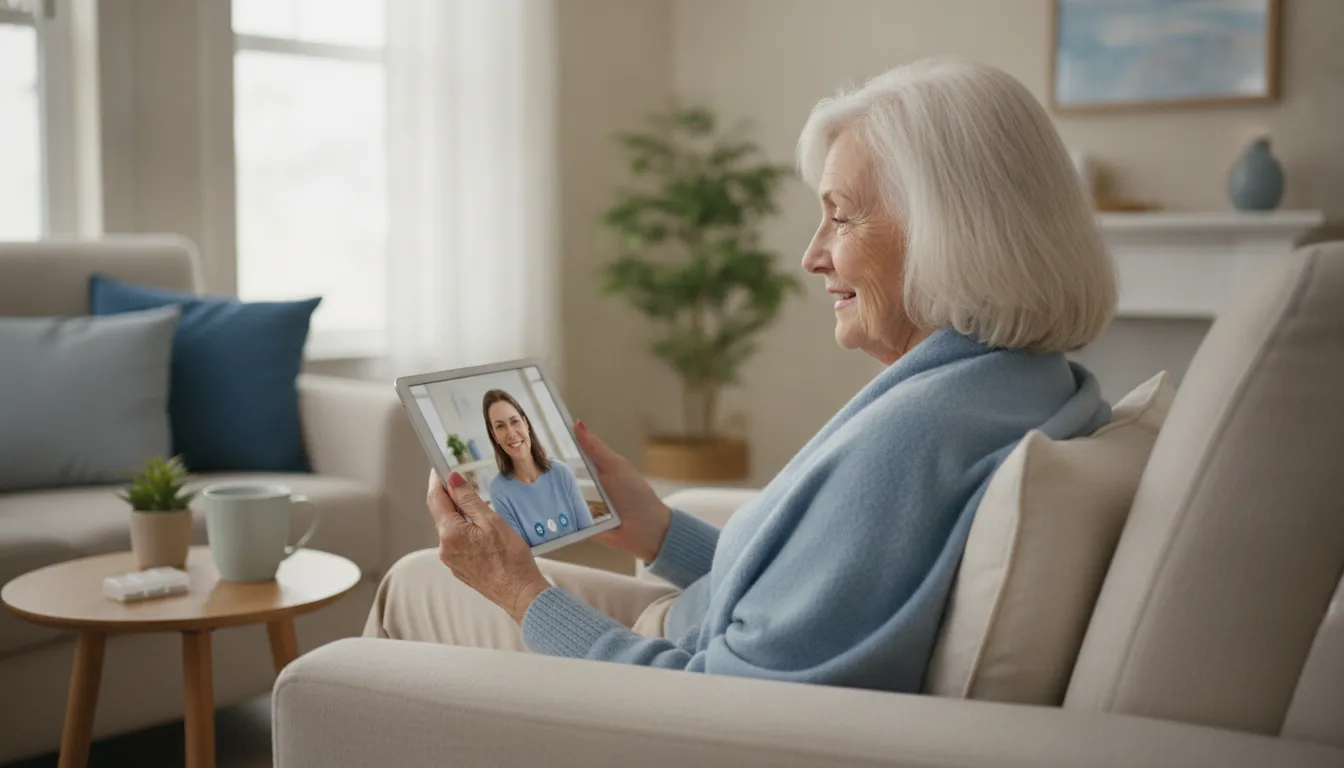
Daily routines can make therapy conversations more practical. A person might set aside a quiet time for a session. Keep a short note of worries or successes between visits, or identify one manageable activity that supports connection. These steps are not a substitute for treatment of the underlying illness, medication guidance, or medical follow-up. Instead, they give the senior and therapist concrete details to discuss and adjust together.
The individual teletherapy for older adults page explains Blue Moon’s virtual model. The Centers for Disease Control and Prevention identifies social connection as relevant to health and well-being. While the National Institute on Aging offers practical guidance for staying connected when loneliness or isolation becomes a concern. Counseling can support emotional coping and help a senior consider realistic routines, while medical professionals continue to manage physical disease and urgent health concerns.
How can counseling support caregivers and relationships?
Chronic illness can change more than a senior’s daily routine. It may affect confidence, independence, family roles, and the way loved ones communicate. A caregiver may feel worried or overwhelmed, while the older adult may feel frustrated, grieving, embarrassed, or concerned about becoming a burden. Research on chronic illness describes emotional responses such as anxiety, depression, anger, grief, uncertainty, and relationship strain, all of which can make ordinary conversations harder (review the chronic illness research in PMC).
Counseling gives the senior a private, respectful place to describe what has changed and identify goals that matter to them. For example, therapy may help someone prepare for a difficult conversation, adjust to a new limitation, or find ways to stay connected while managing fatigue or pain. It does not replace medical treatment, rehabilitation, medication decisions, or instructions from a healthcare professional. Instead, it can support the emotional and relational work that often accompanies those decisions.
How can caregivers help without taking over?
Family members can be important sources of practical and emotional support, but involvement should preserve the senior’s autonomy. A caregiver may help find a provider, arrange technology, or discuss transportation and scheduling. The senior should still be able to decide whether to seek counseling, what goals to discuss, and who may participate. Blue Moon’s initial assessment may include a family member or caregiver when appropriate and with the patient’s consent. Its treatment plans are designed collaboratively around the client’s priorities and values (learn about Blue Moon’s counseling approach).
That boundary can also protect trust within the relationship. A therapist cannot share private clinical information simply because a relative helped arrange an appointment. Families can ask the senior what support feels welcome, agree on practical ways to help, and avoid treating counseling as a meeting where others speak for the client. When privacy questions arise, the therapist can explain the consent process directly.
What if illness also brings loneliness or anxiety?
Health problems, reduced mobility, and changing roles can increase the risk of loneliness and social isolation. The National Institute on Aging explains ways to stay connected, while the CDC describes health and life factors associated with social isolation. Families can also review this guide to support for senior isolation and learn about anxiety symptoms in seniors.
Blue Moon provides individual psychotherapy by Licensed Clinical Social Workers through phone counseling or video teletherapy for adults 65 and older. During an assessment, the therapist and client can discuss concerns, define realistic goals, and consider whether caregiver participation would be useful and authorized. The best approach is the one that respects the senior’s consent, privacy, communication needs, and own definition of meaningful support.
Talk with Blue Moon about individual teletherapy for a senior living with chronic illness.
What should families ask before starting counseling?
Starting counseling can feel easier when the senior and family know what to discuss first. The right questions help keep the process practical, respectful, and centered on the older adult’s wishes. They can also clarify whether individual teletherapy by phone or video is a workable fit for the senior’s daily life, health needs, and privacy.
- What goals matter most to the senior? Ask what the senior hopes will improve, such as coping with a diagnosis, managing illness-related worry, adjusting to changes in independence, processing grief, or reconnecting with daily activities. A treatment plan should be developed with the client and reflect the client’s priorities and values. The senior should not feel that counseling is being arranged only because family members are concerned. Blue Moon describes its care as individual psychotherapy delivered by Licensed Clinical Social Workers. You can review its counseling services to understand the areas it addresses.
- Would phone or video be more comfortable and accessible? Ask about hearing, vision, mobility, internet access, device comfort, and whether the senior has a private place to talk. Phone and video can both support individual teletherapy, and neither option is universally best. Blue Moon’s initial intake includes assessing technology capabilities for phone versus video sessions. Its telehealth information for older adults explains these flexible options. A family member may help with setup if the senior wants that support, but the senior’s comfort and preference should guide the choice.
- How will privacy and consent be handled? Ask where sessions will take place, who may be present, and how information will be protected. Family involvement in an assessment or later session should occur only when appropriate and with the patient’s consent. Helping an older adult contact a provider does not give a caregiver permission to direct the conversation or receive confidential information. Blue Moon states that it adheres to HIPAA and confidentiality laws, and its online referral process is described as HIPAA-compliant. The senior should also know that they can ask questions about confidentiality before sharing personal details.
- How will counseling fit with medical care? Ask how the senior’s counseling goals relate to current medical treatment, rehabilitation, medications, or changes in daily functioning. Counseling can complement medical care, but it does not replace a physician or other healthcare professional. With the senior’s permission, the therapist and medical providers may need to understand relevant concerns or coordinate appropriately. Families should ask what information can be shared, who will be contacted, and how consent will be documented. State location and clinician licensure should also be confirmed, since availability varies by state.
- What coverage and costs should be verified? Ask whether the service is a Medicare Part B covered service for the senior’s specific situation and whether the plan has additional requirements. Blue Moon primarily serves traditional Medicare beneficiaries and select Medicare Advantage PPO members, but coverage should be verified before anyone assumes payment or out-of-pocket costs. Families can review the article on Medicare mental health coverage, then confirm eligibility, plan rules, provider participation, and any applicable billing details directly.
These questions give families a starting point without taking decision-making away from the senior. If the answers feel appropriate, the senior or an authorized helper can schedule senior counseling and discuss the next step with the practice.
When is it time to seek additional support?
There is no single emotional response that proves a senior needs counseling. However, persistent distress deserves attention, especially when chronic illness changes daily routines, relationships, independence, or hopes for the future. A person may notice ongoing sadness, anxiety, grief, irritability, fear, loneliness, or difficulty adjusting after a diagnosis or health change. Trouble concentrating, withdrawing from people, losing interest in meaningful activities. Or feeling unable to manage ordinary decisions can also be reasons to speak with a qualified mental health professional. These signs do not establish a diagnosis. They are invitations to ask for support rather than waiting until distress becomes overwhelming.
Isolation can make that decision harder. The National Institute on Aging explains that loneliness and social isolation can affect health and well-being, while the CDC identifies poor health and chronic disease among factors associated with social disconnection. A senior who is spending less time with others, avoiding conversations, or feeling cut off after losing mobility may benefit from discussing those changes with a healthcare professional. Caregivers can offer encouragement, but the senior’s privacy, consent, and preferences should remain central.
What can routine counseling address?
Routine counseling may help a person explore illness-related grief, anxiety, depression, role changes, fear, or loss of independence. Blue Moon Senior Counseling provides individual counseling by phone or video with Licensed Clinical Social Workers for adults age 65 and older. An initial assessment can help clarify the person’s concerns and identify goals that reflect their values. Depending on the situation, a clinician may use approaches such as cognitive behavioral therapy adapted for older adults, interpersonal therapy, problem-solving therapy, relaxation training, or bereavement techniques. Counseling complements medical treatment and rehabilitation. It does not replace a primary care clinician, specialist, medication review, or other medical care.
Routine teletherapy is not the right response to an immediate safety emergency. If someone may hurt themselves or another person, is in immediate danger, has a serious medical emergency. Or cannot remain safe, call 911 or local emergency services, or go to the nearest emergency department. In the United States, calling or texting 988 connects people with the Suicide and Crisis Lifeline. Do not wait for a routine appointment when urgent help is needed. If you are uncertain whether symptoms require medical attention, contact the person’s healthcare professional or emergency services for guidance.
For non-urgent concerns, a conversation with a qualified provider can be a practical first step. Blue Moon offers individual teletherapy by phone or video, and the appropriate option depends on personal preference, privacy, hearing or vision needs, mobility, internet access, and device comfort. Coverage and state availability should be verified before services begin.
Schedule senior counseling through Blue Moon’s referral form.
Frequently Asked Questions
What can a senior talk about in counseling for chronic illness?
A senior may discuss fear, grief, frustration, changes in independence, loneliness, treatment-related stress, or difficulty adjusting to new routines. Counseling can also help clarify personal goals and identify practical coping strategies while complementing medical care.
Is phone or video teletherapy better for older adults?
Neither option is universally better. Phone sessions may feel simpler for someone who is uncomfortable with technology, while video may make face-to-face conversation easier. Privacy, accessibility, hearing or vision needs, and the senior’s preference should guide the choice.
Can a caregiver join a counseling session?
A caregiver or family member may participate when appropriate and when the senior gives consent. The senior’s privacy, confidentiality, and right to make decisions remain central. Families can also help with scheduling or technology without speaking for the senior.
What happens during the first teletherapy appointment?
An assigned Licensed Clinical Social Worker may complete an initial assessment, learn about the senior’s concerns and priorities, discuss phone or video access, and collaborate on realistic goals. Caregiver involvement can be considered with the senior’s permission.
Is counseling a Medicare Part B covered service?
Eligibility depends on the senior’s plan and circumstances. Blue Moon primarily serves traditional Medicare beneficiaries and select Medicare Advantage PPO members, so coverage and billing should be verified before beginning services. A Medicare mental health coverage guide can provide additional context.
Schedule individual senior counseling
Living with chronic illness can bring ongoing emotional adjustments, and counseling may offer a private space to explore coping, relationships, and personal goals. Blue Moon Senior Counseling provides individual teletherapy by phone or video for older adults. To take the next step, schedule individual senior counseling through the referral form. A therapist can discuss your concerns and help you consider whether counseling fits your needs.