

Feeling empowered isn’t some abstract idea; it’s a result of the small things you do every day. It comes from the confidence you build when you take care of your mind and body, and the purpose you find in your passions. This guide is all about action. We’re skipping the vague advice and focusing on concrete steps you can take right now to feel more in control and fulfilled. We’ll cover everything from simple wellness habits to decluttering your space for mental clarity. Think of it as a toolkit for creating your own empowered aging routine, one that works for your life.
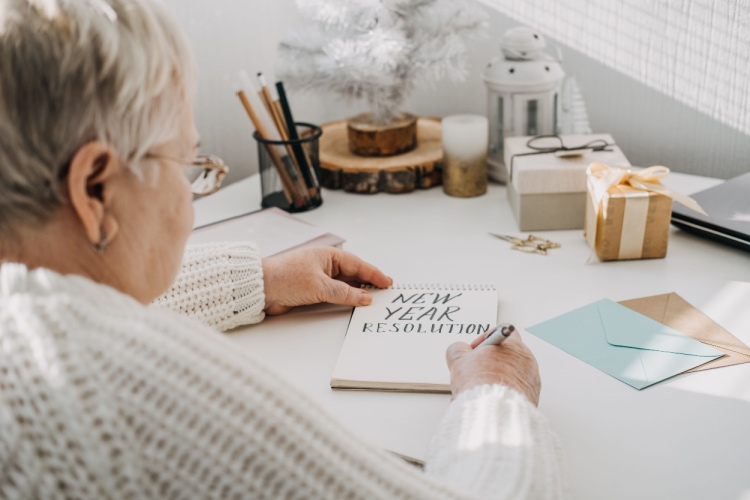 The start of a new year often symbolizes fresh beginnings and opportunities. For seniors, this can be a time to reflect on accomplishments, set meaningful goals, and embrace the possibilities that lie ahead. Feeling empowered isn’t about making dramatic changes—it’s about recognizing your strengths, focusing on what matters most, and finding joy in both big and small moments.
Table of Contents
- Define Empowerment on Your Own Terms
- Embrace Your Strengths and Accomplishments
- Find Confidence in Health and Wellness
- Rediscover Purpose and Passion
- Declutter and Simplify Your Space
- Seek Guidance to Navigate Change
- Empower Your Year with Blue Moon Senior Counseling
- Frequently Asked Questions (FAQs)
Understanding Common Concerns About Aging
It’s completely normal to have mixed feelings about getting older. On one hand, this stage of life often brings a sense of wisdom, freedom, and a deeper understanding of yourself. On the other hand, it can also introduce new worries that feel overwhelming. Many seniors express concerns about their physical health, financial stability, and the fear of losing their independence. You might also worry about staying connected with friends and family as life circumstances change. These anxieties are not just common; they are a shared experience for millions of people. Recognizing that you aren’t alone in these feelings is a powerful first step toward addressing them head-on and building a future that feels secure.
Facing these concerns doesn’t mean you have to do it by yourself. The key to feeling empowered is to understand your specific worries and find practical ways to manage them. For instance, if health is a top concern, you can focus on proactive wellness habits and open communication with your doctor. If you’re feeling isolated, you can explore local community groups or volunteer opportunities. Sometimes, the best way to sort through these complex emotions is by talking to a professional. Senior counseling services can provide a safe space to explore your fears and develop effective coping strategies, helping you feel more in control of your journey.
Acknowledging the Fear of Getting Older
Let’s be honest: the thought of getting older can be scary. Many people worry about losing their mobility, managing chronic health conditions, or experiencing memory loss. These aren’t just vague anxieties; they are real concerns that deserve to be heard and addressed without judgment. Acknowledging that you have these fears doesn’t make you weak—it makes you human. It’s the first, most important step toward managing the emotional challenges that come with the difficulty with the aging process. By voicing these worries, you take away their power and can begin to separate the ‘what-ifs’ from what you can control, allowing you to build a life that feels secure and fulfilling.
Define Empowerment on Your Own Terms
Empowerment isn’t about meeting someone else’s expectations. It’s about deciding what makes you feel strong, capable, and fulfilled. Take some time to reflect on what matters most to you. Is it maintaining independence? Nurturing relationships? Exploring a creative passion? Write down three to five things that give you a sense of purpose or bring you joy. This simple exercise can clarify where to focus your energy in the year ahead. Knowing what empowers you helps you prioritize what truly matters, making it easier to let go of distractions or obligations that don’t align with your values.
Viewing Aging as a Gift of Wisdom and Growth
Getting older is a privilege not everyone experiences, and it’s an opportunity to grow rather than fade. This stage of life offers a unique chance to let go of old fears and worries that may have held you back in the past. With age comes a deeper wisdom, a quiet strength, and a clearer understanding of who you are. Think of your life experiences not just as memories, but as a rich well of knowledge you can draw from. This perspective allows you to appreciate the present moment more fully and find confidence in the person you’ve become. Embracing the difficulty with the aging process is about shifting your focus from what you’re losing to what you’re gaining: insight, resilience, and a powerful sense of self.
Challenging Ageism and Negative Stereotypes
It’s no secret that our culture often overlooks the value of older adults. Negative stereotypes about aging can be frustrating, but you have the power to challenge them. Empowerment comes from recognizing your own worth and refusing to be defined by outdated ideas. Your experiences, skills, and wisdom are valuable assets to your family and community. When you encounter ageism, whether it’s an external comment or an internal thought, remind yourself of your contributions and capabilities. Building resilience against these messages is key. Therapy can be a wonderful space to reinforce your self-worth and develop coping skills to handle the emotional impact of societal biases, helping you stand firm in your identity.
Redefining Beauty and Embracing Physical Changes
True body confidence isn’t about looking like you did at 25; it’s about accepting and appreciating your body exactly as it is today. The physical changes that come with age are signs of a life filled with experiences. Wrinkles can signify a lifetime of laughter, and silver hair can represent wisdom. Instead of viewing these changes as flaws, try to see them as markers of your unique journey. This shift in mindset is a powerful act of self-love. It’s about letting go of the pressure to be perfect and instead celebrating your body for its strength and resilience. Embracing these changes can reduce feelings of self-consciousness and help you feel more comfortable and confident in your own skin.
Building a Foundation of Self-Love
At the heart of empowerment is a deep and abiding love for yourself. This season of life is the perfect time to be kinder to yourself and strengthen the relationship you have with the person in the mirror. Self-love means forgiving yourself for past mistakes, setting healthy boundaries with others, and speaking to yourself with the same compassion you would offer a close friend. It’s about prioritizing your own well-being without guilt. If you struggle with negative self-talk or find it difficult to prioritize your needs, seeking support can make a significant difference. Our senior counseling services, which are a Medicare Part B covered service, can provide a safe space to explore these feelings and build a stronger foundation of self-acceptance.
Embrace Your Strengths and Accomplishments
Every senior has a wealth of experiences and accomplishments to draw from. Reflecting on what you’ve achieved—not just in the past year but throughout your life—can reinforce your confidence. Consider writing a “strengths list.” This could include skills you’ve mastered, challenges you’ve overcome, or even personal qualities you’re proud of. For example:
- “I raised a loving family.”
- “I adapted to new technology to stay connected.”
- “I’ve maintained my health with regular exercise.”
These reminders of resilience and capability can serve as a foundation for tackling new goals and challenges.
Asserting Your Independence and Autonomy
Maintaining your independence is a cornerstone of feeling empowered. As you age, you might find that well-meaning family members or caregivers begin to make decisions for you. While their intentions are often good, losing control over your own life can be frustrating and disheartening. Asserting your autonomy means continuing to make your own choices, setting clear boundaries, and accepting support that enables you, rather than limits you. It’s about ensuring your voice is heard and your wishes are respected in every aspect of your life, from daily routines to major life decisions. This is your life, and you deserve to be in the driver’s seat.
Making Your Own Choices in Daily Life
Having the right to make decisions about your own life, both big and small, is fundamental to your well-being. This includes everything from choosing what to eat for breakfast to having a say in your healthcare plan. When others start making these choices for you, it can chip away at your confidence and sense of self. It’s important to remember that your preferences matter. If you’re feeling unheard, it can be helpful to practice communicating your needs clearly. You have a lifetime of experience, and your input is valuable. Navigating these conversations can sometimes be challenging, especially when you’re dealing with significant life changes, but therapy can help you find the words to express yourself and manage adjustment disorders that may arise.
The Importance of Setting Personal Boundaries
Setting personal boundaries is about clearly defining what you are comfortable with and what you are not. It’s about protecting your personal space, your time, and your right to speak for yourself. For example, you can ask family members to call before visiting or let them know you prefer to manage your own appointments. Establishing these limits is not selfish; it’s a healthy and necessary part of any relationship. When your boundaries are respected, it fosters mutual understanding and prevents resentment from building. If setting boundaries feels difficult, you’re not alone. Learning to do so effectively is a skill, and at Blue Moon Senior Counseling, our therapists can help you develop coping skills through individual teletherapy, which is a Medicare Part B covered service.
Seeking Practical Support to Maintain Independence
Independence doesn’t mean you have to do everything by yourself. It means using the right tools and support to continue living life on your own terms. Instead of letting someone take over a task completely, look for ways they can help you continue doing it yourself. This could involve using assistive devices that make daily activities easier, arranging for grocery delivery, or using ride-sharing services to get to appointments. The goal is to find solutions that support your autonomy. Accepting help that enables you to stay in control is a sign of strength and resourcefulness. It allows you to conserve your energy for the things you truly enjoy, keeping you engaged and self-reliant.
Guidance for Supportive Family and Caregivers
If you are a family member or caregiver, your support is invaluable, but it’s crucial to offer it in a way that empowers rather than diminishes. Always ask for your loved one’s input on decisions that affect them, no matter how small. Encourage them to speak for themselves and actively listen to their wishes, even if you don’t fully agree. Instead of doing things for them, ask how you can help them do things for themselves. This approach fosters their independence and self-esteem. Remember that caregiving can be demanding, and it’s important to look after your own well-being to avoid caregiver burnout. By working as a team, you can ensure your loved one feels respected, capable, and in control of their life.
Find Confidence in Health and Wellness
Feeling empowered often begins with taking care of your body and mind. Building small, sustainable habits can have a big impact on your overall well-being.
Physical Wellness: Start Small, Feel Strong
Physical wellness doesn’t require a drastic overhaul. Instead, focus on manageable steps that fit your abilities and preferences:
- Start with Movement You Enjoy: Whether it’s gentle stretching, a daily walk, or a group fitness class, choose activities that feel good.
- Create a Routine: Consistency is key. Even short sessions, like 10 minutes of stretching in the morning, can boost your energy and confidence.
- Fuel Your Body: Incorporate more whole foods like fresh fruits, vegetables, and lean proteins into your meals. Small changes, like adding a colorful salad to your lunch, can make a difference. The USDA has outlined some nutrition tips to help seniors maintain a health body weight and reduce the risk of chronic disease.
Addressing Common Physical Changes After 50
As we get older, it’s natural for our bodies to change. Many people notice they have less energy or that their muscles and joints feel different than they used to. This can be due to a natural decline in muscle mass and flexibility, especially if injuries or health issues lead to a less active lifestyle. Suddenly, everyday activities like carrying groceries or climbing stairs might feel more difficult. These shifts can sometimes lead to feelings of frustration or even contribute to issues like fatigue and balance problems. Recognizing that these changes are a normal part of aging is the first step toward proactively managing your health and maintaining the lifestyle you enjoy. It’s also important to acknowledge the emotional side of these physical shifts. If you find yourself struggling with feelings of depression or anxiety related to aging, know that professional support is available to help you work through these challenges.
Targeted Exercise Goals for Strength and Balance
To stay strong and independent, it helps to focus on exercises that target key areas for healthy aging. Setting specific goals around strength, core stability, and balance is one of the most effective ways to prevent falls and reduce the risk of injury. Activities that improve your mobility and flexibility are just as important, as they help keep your joints healthy. You don’t have to run a marathon; the goal is to find regular physical activities that you enjoy and that support your body. According to the Centers for Disease Control and Prevention (CDC), multicomponent physical activity is best because it includes more than one type of physical activity, such as aerobic, muscle strengthening, and balance training. By focusing on these areas, you can build confidence in your physical abilities and continue to live an active, fulfilling life on your own terms.
Mental Wellness: Prioritize Emotional Health
Mental health is just as important as physical health when it comes to feeling empowered. Prioritize activities that bring you joy and reduce stress.
- Mindfulness Practices: Techniques like deep breathing, meditation, or journaling can help calm your mind and clarify your thoughts.
- Creative Outlets: Engaging in art, writing, or music stimulates the brain and provides a sense of accomplishment.
- Talk It Out: If you’re facing challenges, consider reaching out to a trusted friend or counselor. Professional support can help you navigate complex emotions and build resilience.
Mental and Emotional Self-Care Techniques
Taking care of your emotional health is a proactive way to build confidence. Simple mindfulness practices, like spending a few minutes each morning doing deep breathing exercises or trying meditation, can help quiet anxious thoughts and ground you in the present moment. Similarly, engaging in a creative hobby—whether it’s painting, gardening, or writing—provides a powerful outlet for self-expression and a wonderful sense of accomplishment. These activities aren’t just about passing the time; they are about nurturing your inner world and reminding yourself of your capacity for growth and joy, which is incredibly empowering.
Remember, you don’t have to handle life’s challenges alone. Sharing your feelings with a trusted friend, family member, or a professional counselor is a sign of strength. If you’re feeling overwhelmed, professional support can provide you with effective tools for stress management and help you build resilience. At Blue Moon Senior Counseling, we offer individual teletherapy from the comfort of your home, providing a safe space to talk things through. These sessions are a Medicare Part B covered service, making professional mental health support accessible when you need it most.
Reconnect with Nature
Reconnecting with nature is a unique and grounding way to start the new year with a sense of empowerment. Spending time outdoors, even in small ways, nurtures the body and mind, providing clarity and energy for the year ahead.
The Benefits of Nature
Nature has a calming and restorative effect. Studies show that time spent outdoors can reduce stress, improve mood, and enhance focus. For seniors, it’s also an opportunity to engage in gentle physical activity, like walking or gardening, while enjoying fresh air and natural beauty.
Ways to Reconnect with Nature
- Take Daily Walks: A short stroll in your neighborhood, local park, or garden can boost energy and provide a peaceful routine.
- Create a Nature Nook: If mobility is a concern, set up a small space near a window where you can enjoy natural light, watch birds, or care for indoor plants.
- Explore Seasonal Beauty: Whether it’s watching the snow fall, admiring spring blooms, or soaking in autumn colors, each season has something unique to offer.
- Start a Gardening Project: Even a small indoor herb garden or a few potted plants can bring the joy of nurturing life into your home.
Nature reminds us of our connection to something larger, inspiring feelings of resilience and hope. By incorporating the outdoors into your routine, you’re creating space for reflection, renewal, and physical vitality—all essential elements of empowerment.
Rediscover Purpose and Passion
Empowerment comes from doing things that ignite your sense of purpose. Whether it’s a hobby you’ve always loved or something entirely new, pursuing passion adds richness to your life. Take time to reflect on what excites or interests you. Maybe it’s gardening, traveling, cooking, or mentoring younger generations. Commit to dedicating regular time to these activities, even if it’s just 30 minutes a week. Exploring something new—like taking a community class, learning to play an instrument, or volunteering—can also invigorate your sense of purpose. Growth is a lifelong journey, and it’s never too late to discover what lights you up.
Declutter and Simplify Your Space
A unique way to feel empowered in the new year is by creating a living environment that reflects peace, clarity, and purpose. Decluttering isn’t just about tidying up; it’s about letting go of what no longer serves you and making room for what truly matters.
The Emotional Impact of Decluttering
Clutter can sometimes feel overwhelming or even stressful, especially if items are linked to memories or past experiences. Decluttering provides a sense of control, helping you focus on the present and future rather than being weighed down by the past.
Steps to Declutter with Intention
- Start Small: Choose one area—like a drawer, closet, or shelf—to work on. Tackling small spaces helps you build momentum without feeling overwhelmed.
- Ask Key Questions: As you sort through items, ask yourself, “Does this add value to my life? Does it bring me joy?” If the answer is no, consider letting it go.
- Donate or Pass Down: Items that no longer serve you can bring joy to others. Donating to charities or gifting family heirlooms to loved ones ensures your belongings continue to make a positive impact.
- Organize What Remains: Arrange the items you keep in a way that’s accessible and visually pleasing. This process not only makes your space more functional but also boosts your mood.
Decluttering as Empowerment
Creating a simplified, organized space allows you to feel more in control of your environment. It also reinforces your ability to make decisions and take action—key elements of empowerment. A clear space often leads to a clearer mind, helping you approach the new year with fresh energy and focus.
Seek Guidance to Navigate Change
Change is a natural part of life, but it’s not always easy. If you’re navigating transitions—like retirement, health challenges, or changes in family dynamics—seeking guidance can provide clarity and support. Professional counseling offers a safe space to explore your feelings, develop coping strategies, and rediscover confidence. At Blue Moon Senior Counseling, we specialize in helping seniors navigate these changes with compassion and personalized care. Empowerment often begins with understanding your emotions and finding tools to move forward with confidence.
How Professional Counseling Can Help
Therapy provides a confidential, non-judgmental space to work through challenges and build resilience. A professional counselor can help you identify thought patterns or behaviors that may be holding you back, offering fresh perspectives and practical tools to move forward. It’s a collaborative process focused on your unique goals, whether that’s managing anxiety, processing grief, or simply learning to adapt to new life stages. By working with a therapist, you can develop effective coping skills and gain a deeper understanding of your emotions, which is fundamental to feeling in control of your life and well-being.
The Role of Individual Teletherapy
Getting support should be as straightforward as possible. That’s where individual teletherapy comes in. At Blue Moon Senior Counseling, we provide one-on-one counseling sessions via phone or video, allowing you to speak with a licensed therapist from the comfort and privacy of your own home. This approach removes barriers like transportation and scheduling difficulties, making consistent support more accessible. Our telehealth services are designed to provide personalized, compassionate care tailored to your specific needs. For many, this is a Medicare Part B covered service, ensuring you can get the help you deserve without financial strain.
Empower Your Year with Blue Moon Senior Counseling
The new year is a chance to celebrate your strengths, embrace new possibilities, and find purpose in the moments that matter most. Empowerment doesn’t require drastic changes—it’s about taking intentional steps toward what fulfills you and recognizing the value you bring to the world. At Blue Moon Senior Counseling, we’re here to walk alongside you on this journey. Whether you’re looking to navigate challenges, rediscover passions, or build confidence, our team is ready to help. Contact us today to start your new year with clarity, support, and empowerment.
Frequently Asked Questions (FAQs)
- How can seniors feel empowered without making drastic changes?
Start by reflecting on your strengths, setting small goals, and focusing on activities that align with your values. Even small, intentional steps can lead to a greater sense of confidence.
- What are some ways seniors can improve physical wellness in the new year?
Engage in enjoyable activities like walking, yoga, or light strength training. Pair exercise with balanced meals and hydration to support overall health.
- How can seniors rediscover their sense of purpose?
Explore hobbies or activities that bring joy and meaning, try something new, or volunteer to contribute to your community. These actions can reignite passion and fulfillment.
- How can counseling help seniors feel empowered?
Counseling provides a safe space to address challenges, develop coping strategies, and gain clarity. It helps seniors build resilience and confidence as they navigate life’s changes.
- How can seniors stay connected to others in the new year?
Reach out to family and friends, join local social groups, or volunteer in your community. Building relationships reinforces a sense of belonging and empowerment.
Key Takeaways
- Empowerment is personal: Identify what truly matters to you, from nurturing relationships to exploring new hobbies, and use that as your guide for the year ahead.
- Small habits create big results: Build confidence by integrating simple wellness practices into your daily life, such as gentle exercise, mindfulness, or decluttering your home for mental clarity.
- Your voice matters: Assert your independence by making your own decisions and setting healthy boundaries, and know that seeking professional support is a sign of strength when facing challenges.