
Your world can begin to feel smaller so gradually that you barely notice it at first. It might start with skipping a crowded family gathering, then avoiding the grocery store during peak hours. Before you know it, the comfort of your own home feels like the only truly safe place to be. This pattern of avoidance is a hallmark of agoraphobia, an anxiety disorder that can quietly limit your freedom and independence. Many people wonder about its roots, asking, can isolation cause agoraphobia? While the relationship is complex, extended periods of being alone can certainly strengthen the fears that keep you home. This guide explains how agoraphobia takes hold and offers practical, supportive steps to help you reclaim your world.
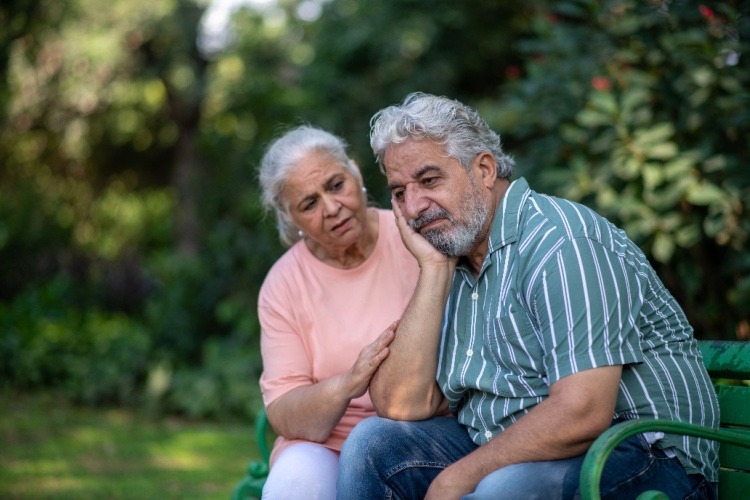 Agoraphobia can develop gradually, often in ways that feel subtle at first. Many people start by avoiding situations that feel stressful, then slowly begin rearranging their lives to stay within a smaller comfort zone. Over time, this pattern can lead to a life shaped more by fear than freedom. The process is not always obvious. It may begin with small decisions that seem harmless, like choosing not to go to a crowded store or deciding to skip an event because it feels overwhelming. With time, these decisions can add up, creating emotional walls that reduce independence and limit a person’s world.
Table of Contents
- When Fear Starts to Shape Everyday Choices
- How Avoidance Can Make the Comfort Zone Smaller
- The Emotional Impact of Living in a Shrinking World
- Steps That Help Rebuild Confidence and Independence
- A Path Toward Greater Comfort With Blue Moon Senior Counseling
- Frequently Asked Questions
When Fear Starts to Shape Everyday Choices
Agoraphobia does not usually appear all at once. It often begins with moments of discomfort that feel confusing or unexpected. A place or situation that once felt normal may suddenly feel unsafe or overwhelming. These moments can lead to hesitation, and eventually, avoidance.
Subtle Signs That Something Is Changing
Many seniors describe early signs of agoraphobia as a shift in how certain environments feel. What used to be routine can begin to trigger physical or emotional distress. Examples include:
- Feeling nervous about leaving the house
- Worrying about being too far from home
- Avoiding busy places because they feel unpredictable
- Choosing not to participate in events that once felt enjoyable
These small shifts may not seem significant at first, but research shows that they can mark the beginning of a pattern that gradually shrinks someone’s comfort zone.
Why These Feelings Can Be Confusing
Agoraphobia can feel especially surprising for seniors who spent much of their lives feeling independent and capable. When a previously simple activity becomes stressful, it may feel frustrating or embarrassing. Some older adults try to hide these feelings from loved ones because they do not want to worry anyone or appear difficult. This emotional conflict can make the early stages of agoraphobia hard to recognize. It may seem easier to stay home, avoid uncomfortable situations, or limit exposure to stress. Over time, these choices can reinforce fear without offering relief.
The Role of Physical and Emotional Changes
As people age, shifts in mobility, energy, and health can influence how safe or confident someone feels in public spaces. A person may begin to fear falling, getting lost, or not being able to handle unexpected challenges. These concerns are understandable, but they can also create more avoidance, especially when fear becomes stronger than the desire to participate in daily life.
What Exactly Is Agoraphobia?
To understand agoraphobia, it helps to look past the common misconception that it is simply a fear of open spaces. In reality, it is a complex anxiety disorder rooted in the fear of feeling trapped, helpless, or panicked in certain situations. This fear can be so intense that it causes people to avoid places and activities they once enjoyed, from grocery shopping to visiting family. The core of agoraphobia is not the place itself, but the overwhelming fear of what might happen in that place—specifically, having a panic attack and being unable to escape or find help. This distinction is key to understanding why it can feel so debilitating and how it can gradually reshape a person’s life around avoidance.
The Official Definition and Symptoms
According to mental health experts, agoraphobia is an anxiety disorder characterized by an intense fear of situations where escape might be difficult or help might not be available if panic-like symptoms occur. For a diagnosis, this fear and the resulting avoidance must persist for at least six months. The core fear often revolves around public transportation, being in open or enclosed spaces, standing in line, being in a crowd, or even being outside of the home alone. It’s important to distinguish this from social anxiety, which is a fear of being judged by others. With agoraphobia, the fear is internal—it’s about the terror of experiencing panic and feeling unable to cope.
How Agoraphobia Is Diagnosed
Receiving a diagnosis for agoraphobia involves a comprehensive evaluation by a qualified mental health professional. A therapist will typically discuss your symptoms, feelings, and personal history to understand how your fears are impacting your daily life. They will assess which situations you avoid and why, helping to pinpoint the specific anxieties that are shrinking your world. This process is not just about labeling the condition; it is the first step toward creating a personalized plan for reclaiming your freedom and confidence. For many seniors, especially those who find it difficult to leave home, telehealth services offer a comfortable and accessible way to get this professional assessment without added stress.
Causes and Risk Factors for Agoraphobia
Agoraphobia rarely stems from a single event. More often, it develops from a combination of biological, psychological, and environmental factors. Certain life experiences can increase a person’s vulnerability, especially those involving high levels of stress or trauma. For older adults, significant life transitions such as retirement, the loss of a loved one, or a new health diagnosis can act as powerful triggers. Understanding these risk factors can help you recognize why these feelings may be surfacing and empower you to seek the right support. It’s a reminder that you are not alone in this experience and that your feelings are a valid response to challenging circumstances.
A Combination of Influences
Several factors can contribute to the development of agoraphobia. A family history of anxiety disorders can play a role, as can having a naturally nervous or anxious temperament. Experiencing stressful life events, such as the death of a spouse, abuse, or a serious illness, can also be a significant risk factor. While isolation itself doesn’t directly cause agoraphobia, it can certainly worsen existing anxieties and make it harder to venture out. When you spend more time alone, the world outside can begin to feel more intimidating, creating a cycle where isolation and fear feed each other. Recognizing this pattern is a crucial step toward breaking it.
Common Triggers and Life Experiences
For many, agoraphobia begins after experiencing one or more panic attacks in a public setting. The memory of that panic can create a powerful fear of it happening again, leading to avoidance of the place where it occurred. Over time, this avoidance can expand to include any situation that feels similar or seems risky. Prolonged periods of isolation, which many experienced during the pandemic, can also create a fertile ground for agoraphobia to develop. When you are out of the habit of navigating the world, re-engaging can feel overwhelming. At Blue Moon Senior Counseling, our therapists specialize in helping seniors through adjustment disorders and life transitions with individual teletherapy, a Medicare Part B covered service.
How Avoidance Can Make the Comfort Zone Smaller
Avoidance is one of the most powerful forces behind the growth of agoraphobia. According to Psychology Today, when someone avoids a situation that feels scary, the immediate relief can feel comforting. But over time, that temporary relief can encourage the brain to interpret the avoided situation as dangerous, even when it is not.
How Avoidance Reinforces Fear
When someone consistently avoids places or situations, the brain learns a message: “That was scary, and you stayed safe by avoiding it.” This creates a cycle that strengthens anxiety. For example:
- Skipping grocery shopping may seem easier than managing a stressful environment.
- Avoiding doctor appointments may feel safer than sitting in a waiting room.
- Staying home may feel like the only place where someone can relax or feel in control.
These choices often begin with good intentions. The goal is comfort. But without realizing it, each avoided situation adds another limitation to daily life.
A Shrinking Circle of Safety
As avoidance increases, the number of safe places becomes smaller. A senior may feel comfortable only at home or with a specific caregiver or family member. Travel, errands, appointments, or social activities may start to feel impossible. This shrinking comfort zone can look different from person to person, but it often follows a similar pattern:
- Avoiding crowded or unpredictable environments
- Avoiding open or unfamiliar spaces
- Avoiding places where escape feels difficult
- Feeling anxious about being alone outside the home
- Eventually feeling afraid to leave the house altogether
Not every senior reaches the final stage, but even moderate agoraphobia can significantly affect quality of life.
When Loved Ones Step In Without Realizing It
Sometimes family members unintentionally reinforce avoidance by taking over tasks that feel stressful. Picking up groceries, running errands, or handling appointments can be incredibly helpful, but when these actions replace a senior’s confidence rather than support it, the comfort zone may shrink even more. Support is important, but so is balance. Encouraging small steps and independence where possible can help keep anxiety from spreading into more areas of life.
The Emotional Impact of Living in a Shrinking World
Agoraphobia affects more than daily routines. It can shape how a person sees themselves, their abilities, and their independence. For seniors who value autonomy, this shift can feel especially painful.
Feeling Disconnected From the World
As the comfort zone shrinks, it becomes harder to participate in the activities that once brought joy. Social visits, community involvement, hobbies, and simple errands may all begin to disappear. This loss of connection can create feelings of loneliness or sadness. Even when loved ones visit or offer help, many seniors feel a sense of isolation because they are no longer experiencing life in the way they once could. The world becomes smaller, and emotional well-being can be affected.
Loss of Independence
Independence is deeply meaningful for many older adults. When agoraphobia limits where someone can go or what they can do, it can lead to:
- Frustration
- Embarrassment
- Self-doubt
- Worry about the future
These emotions can build on each other, making anxiety even stronger. Some seniors blame themselves for their fear, which increases shame and discourages them from seeking support.
How the Mind Reacts to Fear
The brain is designed to protect us. When it senses danger, real or imagined, it triggers physical responses that can feel overwhelming. These reactions can include:
- Muscle tension
- Rapid heartbeat
- Sweating
- Trouble focusing
- Feeling lightheaded
- Difficulty breathing
When these sensations happen in public or unfamiliar places, they can convince someone that they are not safe. This misunderstanding encourages more avoidance and deepens the pattern of fear.
The Hidden Stress of Constant Worry
Many seniors living with agoraphobia experience ongoing worry about what might happen if they face certain situations. This worry can be exhausting and may affect sleep, appetite, and energy. Some seniors fear:
- Having a panic episode in public
- Feeling trapped or unable to escape
- Becoming overwhelmed with no support around
- Losing control of their emotions
These fears are powerful, but with the right support, they can be understood and managed in healthier ways.
The Widespread Impact of Agoraphobia
Agoraphobia affects more than just daily routines; it can reshape how a person sees themselves, their abilities, and their independence. For many older adults who value their autonomy, this shift can feel particularly painful. As the comfort zone shrinks, it becomes harder to participate in activities that once brought joy, such as social visits, community events, or even simple errands. This loss of connection often leads to feelings of loneliness and sadness. The emotional toll can also include frustration, embarrassment, and deep worry about the future. These feelings can build on each other, creating a cycle where some seniors blame themselves for their fear, which only increases shame and discourages them from seeking support.
Beyond the emotional impact, the body’s physical reaction to fear can be intense. When the brain senses danger—real or imagined—it can trigger overwhelming physical responses like a rapid heartbeat, shortness of breath, or dizziness. These sensations can be so frightening that they reinforce the belief that leaving home is unsafe. This creates a powerful cycle where the fear of having a panic attack becomes just as limiting as the initial anxiety. Understanding that these physical feelings are a response to fear, not a sign of actual danger, is a crucial step. With professional support, it is possible to learn new coping skills to manage these reactions and gradually reclaim a sense of safety and freedom.
Steps That Help Rebuild Confidence and Independence
Agoraphobia is challenging, but it is not a life sentence. With guidance, support, and patience, seniors can rebuild their comfort zones and regain confidence. Each person’s path is unique, and progress happens gradually, but meaningful change is possible.
Starting With Small, Realistic Steps
A gentle approach works best. Instead of jumping into overwhelming situations, seniors can benefit from small steps that stretch the comfort zone in manageable ways. Some examples include:
- Sitting outside for a few minutes
- Taking a short walk with a trusted person
- Visiting a familiar store during a quiet time
- Practicing deep breathing before leaving the house
- Gradually increasing time spent outside the home
Small successes build confidence and send the brain a new message: “You handled this well. You can do more than you think.”
Understanding Triggers and Emotional Patterns
A licensed therapist can help seniors explore what situations trigger fear and why those situations feel overwhelming. With support, seniors learn to:
- Identify early signs of anxiety
- Practice grounding techniques
- Understand physical sensations without feeling frightened
- Develop coping skills that increase confidence
This self-awareness helps break the cycle of avoidance.
Professional Therapy Options
Working with a mental health professional is one of the most effective ways to address agoraphobia. A therapist can provide a safe, supportive space to understand the root of your fears and develop strategies to overcome them. At Blue Moon Senior Counseling, our licensed therapists specialize in helping older adults through individual teletherapy, which is a Medicare Part B covered service. This allows you to receive expert care from the comfort and privacy of your own home, removing the barrier of travel that can feel so challenging when dealing with agoraphobia.
Cognitive Behavioral Therapy (CBT)
Cognitive Behavioral Therapy (CBT) is a practical, goal-oriented approach that helps you identify and change unhelpful thought patterns and behaviors. With agoraphobia, fear often stems from thoughts about what might happen if you leave your comfort zone. CBT teaches you to challenge these anxious thoughts and reframe them in a more realistic way. By understanding the connection between your thoughts, feelings, and actions, you can begin to reduce the power that fear has over your daily life and learn new coping skills.
Exposure Therapy
A specific type of CBT, exposure therapy is highly effective for agoraphobia. It involves gradually and safely facing the situations you fear, starting with something small and working your way up. A therapist guides you through this process to ensure you never feel too overwhelmed. For example, you might start by simply sitting on your front porch for five minutes. Once that feels comfortable, you might progress to a short walk down the street. These small, repeated successes help retrain your brain to understand that these situations are not dangerous, slowly expanding your world again.
Medication and Medical Support
For some individuals, medication can be a helpful tool when used alongside therapy. A doctor or psychiatrist may prescribe medications like antidepressants (such as SSRIs) or anti-anxiety medicines to help manage the intense physical symptoms of panic and anxiety. This can make it easier to engage in therapy and practice new skills. It is essential to have a thorough discussion with a medical professional to understand the potential benefits and side effects of any medication. Therapy and medication often work best together, creating a comprehensive approach to treatment.
Helpful Lifestyle Adjustments
Making small, positive changes to your daily routine can also support your mental well-being. Engaging in hobbies you enjoy, such as gardening, reading, or listening to music, can serve as a healthy distraction from anxious thoughts. Gentle physical activity, like stretching or walking around your home, can help reduce stress hormones. It’s also important to stay connected with loved ones. Regular phone calls or video chats can combat feelings of isolation and remind you that you have a strong support system, even when leaving the house feels difficult.
Self-Help Techniques for Panic Attacks
Learning how to manage anxiety in the moment is empowering. Simple techniques can help calm your nervous system when you feel a panic attack starting. Deep breathing is a powerful tool: inhale slowly through your nose for four counts, hold your breath for four counts, and exhale slowly through your mouth for six counts. This practice can slow your heart rate and reduce feelings of panic. Mindfulness, or the practice of focusing on the present moment without judgment, can also help ground you. These self-help strategies can be practiced daily to build resilience.
Finding Strength in Support Groups
Connecting with others who have similar experiences can be incredibly validating. Support groups, whether online or in-person, provide a space to share your story and learn from others who truly understand what you’re going through. Hearing how others have faced their fears can offer hope and practical advice, reminding you that you are not alone. While Blue Moon Senior Counseling focuses on individual teletherapy, joining a support group can be a wonderful addition to your professional care, offering a sense of community and shared strength on your journey toward recovery.
Bringing Routine and Stability Back Into Life
Daily routines help create a sense of control and predictability. Reintroducing structure can help the mind feel safer and less reactive to stress. This might include:
- Regular sleep times
- Simple morning routines
- Consistent meal schedules
- Daily practices like stretching, breathing exercises, or journaling
These small anchors can help the brain feel more at ease, making it easier to take steps outside the comfort zone.
How Counseling Supports the Process
Therapy provides a safe environment where seniors can talk through fears, practice coping strategies, and work on expanding their comfort zones at a steady, comfortable pace. The support of a licensed therapist can make a meaningful difference in helping seniors understand their anxiety and develop confidence in new situations. Counseling is not about rushing or forcing progress. It is about working at a pace that honors each person’s needs while helping them move toward greater freedom and independence.
A Path Toward Greater Comfort With Blue Moon Senior Counseling
Living with agoraphobia can feel limiting, but it does not have to control your life. Seniors who experience a shrinking comfort zone deserve support that brings clarity, emotional relief, and a renewed sense of confidence. Understanding the steps that lead to agoraphobia is an important starting point, and with the right guidance, it is possible to rebuild comfort one step at a time. At Blue Moon Senior Counseling, our licensed therapists help seniors explore their fears, understand their patterns, and take meaningful steps toward greater independence. If agoraphobia is making life feel smaller or more stressful, support is available. If you feel ready to take the next step toward a calmer, more confident daily life, reach out to Blue Moon Senior Counseling today.
Frequently Asked Questions
1. What is agoraphobia?
Agoraphobia is anxiety linked to places or situations that feel difficult to escape or manage. It often leads to avoidance of public spaces or unfamiliar environments.
2. Can agoraphobia develop gradually?
Yes. Agoraphobia often begins with small avoidances that grow over time. Many seniors notice a shrinking comfort zone long before realizing their anxiety has a name.
3. What are common signs of agoraphobia in seniors?
Signs may include avoiding travel, errands, appointments, or social activities. Feeling unsafe outside the home or relying heavily on others for outings is also common.
4. Can agoraphobia be managed or improved?
Yes. With support, seniors can learn coping strategies, rebuild confidence, and gradually expand their comfort zones.
5. How can counseling help seniors with agoraphobia?
Counseling provides tools, emotional support, and guidance that help seniors understand their anxiety and take steps toward greater independence.
Key Takeaways
- Agoraphobia often starts small: What begins as avoiding a crowded store or a busy event can slowly grow into a pattern that significantly limits your freedom and daily activities.
- Avoiding fear makes it stronger: While staying home feels safer in the moment, this habit actually reinforces anxiety over time, making your comfort zone even smaller.
- You can reclaim your world with gentle steps: Overcoming agoraphobia involves gradually and safely re-engaging with feared situations, often with professional guidance, to rebuild confidence at a pace that feels right for you.