
We often think about our health in terms of reacting to problems, but the best approach is proactive care. You get regular check-ups and eat well to maintain your physical health, and your mental health deserves the same thoughtful attention. It’s not just about seeking help during a crisis; it’s about building a reserve of emotional strength for the road ahead. Simple mental health exercises are a powerful way to do this. They are like preventative care for your mind, helping you build resilience and manage stress before it becomes overwhelming. This article provides five practical exercises to make mental fitness a regular part of your life.
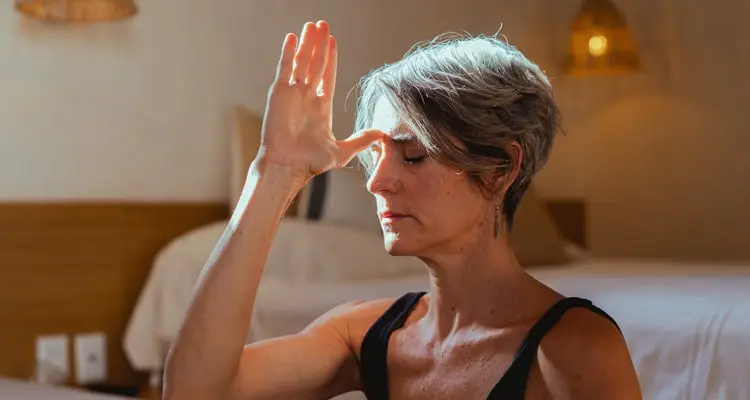 Mental health is vital to overall well-being, and its significance becomes even more pronounced as individuals age. Seniors, in particular, are susceptible to various mental health challenges, making it crucial to prioritize their mental well-being.
Why Mental Wellness Matters for Seniors
The link between mental and physical health is undeniable, and this connection holds true for individuals of all ages, including seniors. Mental health has a profound impact on the physical well-being of older adults. Studies have consistently shown that poor mental health can contribute to developing or worsening physical health conditions while maintaining good mental health can enhance overall quality of life in later years. Seniors face several common mental health challenges that can significantly impact their well-being. One such challenge is depression, which affects many older adults. Feelings of sadness, loss, or loneliness, coupled with life transitions such as retirement or losing loved ones, can contribute to depression. Anxiety is another prevalent mental health concern among seniors, often arising from health, financial stability, or social isolation concerns. Moreover, cognitive decline and dementia are also considerable mental health challenges seniors face. Conditions such as Alzheimer’s disease can gradually erode cognitive function, leading to memory loss, confusion, and difficulties with daily tasks. These conditions affect the individuals and place a significant burden on their families and caregivers. Given the impact of mental health on overall well-being and the specific challenges seniors face, addressing and prioritizing mental health in this population is essential. One effective way to promote mental well-being is through mental health exercises specifically designed to improve cognitive function, emotional resilience, and overall psychological health. By engaging in mental health exercises, seniors can stimulate their minds, maintain cognitive abilities, and enhance their emotional well-being. These exercises range from simple activities like puzzles, word games, and memory exercises to more structured programs involving mindfulness, meditation, and cognitive behavioral therapy techniques. The key is to find exercises that suit an individual’s interests, abilities, and preferences, promoting active participation and enjoyment.
The Prevalence of Mental Health Conditions
It’s important to recognize that mental health conditions are more common than many people think. A significant portion of the adult population deals with a mental disorder at any given time. For seniors, this often manifests as depression or anxiety, fueled by major life changes like retirement, the loss of a spouse, or concerns about health and finances. These feelings are not simply a “normal” part of getting older; they are real health issues that deserve attention and care. Understanding the prevalence of conditions like senior isolation and loneliness can help reduce stigma and encourage more open conversations about mental well-being.
The Six Pillars of Mental Wellness
Think of your mental health like a garden. It needs consistent care and the right conditions to flourish. While professional support is a cornerstone of mental health care, our daily habits and lifestyle choices are the soil, water, and sunlight that help us thrive. Experts often point to six key areas, or “pillars,” that form the foundation of mental wellness. Focusing on these pillars can create a strong support system for your mind, helping you feel more resilient, balanced, and engaged with life. Let’s explore what these six pillars are and how you can strengthen each one.
1. Physical Activity
Moving your body is one of the most effective ways to care for your mind. Regular physical activity can significantly ease symptoms of depression, anxiety, and even PTSD. When you exercise, your brain releases endorphins, which are natural mood lifters. It also improves your brain’s ability to adapt and grow, a process called neuroplasticity, which is vital for cognitive health as we age. You don’t have to run a marathon to see the benefits. Gentle activities like a daily walk, gardening, water aerobics, or chair yoga can make a world of difference in your overall well-being and may even help protect against memory loss.
2. Healthy Nutrition
The food you eat directly fuels your brain, and what you choose to put on your plate has a real impact on your mental health. According to the American Psychiatric Association, diets rich in whole foods like vegetables, fruits, beans, nuts, and fish are linked to better mental health outcomes. On the other hand, diets high in processed foods, refined grains, and excess sugar can contribute to feelings of anxiety and depression. Focusing on a balanced, nutrient-dense diet isn’t about restriction; it’s about nourishing your brain with the building blocks it needs to function at its best, helping you feel more stable and clear-headed.
3. Restorative Sleep
Quality sleep is not a luxury—it’s essential for your mind to rest, repair, and process the day’s events. When you don’t get enough restorative sleep, you might feel irritable, have trouble focusing, and find it harder to manage your emotions. Chronic sleep deprivation can worsen the symptoms of many mental health conditions. Establishing a consistent sleep routine can greatly improve your sleep quality. Try to go to bed and wake up around the same time each day, create a relaxing pre-sleep ritual, and make sure your bedroom is dark, quiet, and cool. Prioritizing sleep is a powerful act of self-care for your mental health.
4. Social Connection
Humans are wired for connection, and maintaining strong social ties is crucial for mental wellness, especially as we get older. Meaningful relationships provide a sense of belonging, safety, and self-worth, which are powerful buffers against stress and loneliness. Whether it’s spending time with family, joining a club, volunteering, or simply chatting with a neighbor, these interactions strengthen our resilience. If you’re struggling with senior isolation and deep loneliness, therapy can also be a vital source of connection. At Blue Moon Senior Counseling, our individual teletherapy sessions provide a safe, confidential space to talk with a compassionate professional, and it is a Medicare Part B covered service.
5. Mind-Body Practices
Mind-body practices are techniques that help calm your nervous system and reduce the effects of stress on your mind and body. Activities like meditation, deep breathing exercises, mindfulness, and gentle yoga can lower stress levels and improve your overall sense of well-being. These practices teach you to pay attention to the present moment without judgment, which can be incredibly helpful for managing symptoms of anxiety and depression. A therapist can help you develop coping skills like these, giving you practical tools to use whenever you feel overwhelmed. Learning to quiet your mind is a skill that builds resilience over time.
6. Avoiding Harmful Substances
Taking care of your mental health also means being mindful of what you consume. It’s important to reduce or avoid substances that can negatively affect your mind and body, such as tobacco, excessive alcohol, and the misuse of prescription medications. These substances can interfere with your mood, sleep, and overall brain function, sometimes worsening the very symptoms you’re trying to manage. Making conscious choices to limit these substances can lead to significant improvements in your mental clarity and emotional stability. If you’re struggling in this area, speaking with a doctor or therapist can provide the support you need to make a positive change.
5 Simple Therapeutic Activities for Seniors
1. Find Calm with Mindfulness and Meditation
Mindfulness and meditation practices have gained recognition for their positive impact on mental health. These exercises involve focusing one’s attention on the present moment and cultivating a non-judgmental awareness of thoughts, feelings, and sensations. For seniors, mindfulness and meditation can offer numerous benefits, including stress reduction, improved emotional well-being, enhanced cognitive function, and increased resilience. To engage in mindfulness and meditation exercises, seniors can follow these step-by-step guidelines:
- Find a quiet and comfortable space where they can sit or lie down.
- Close their eyes or focus their gaze softly on a fixed point.
- Begin by taking slow, deep breaths, allowing yourself to relax and release any tension.
- Direct their attention to the sensations of breathing, noticing the inhalation and exhalation.
- As thoughts arise, gently acknowledge them without judgment and let them go, refocusing on the breath.
- Gradually expand their awareness to include bodily sensations, sounds, and the surrounding environment.
- Practice for a few minutes initially and gradually increase the duration over time.
Practice Grounding with the 5-4-3-2-1 Technique
When your thoughts start to race, grounding techniques can bring you back to the present moment. The 5-4-3-2-1 method is a simple but powerful exercise that uses your five senses to interrupt feelings of panic or anxiety. To start, take a moment to notice your surroundings and slowly identify five things you can see, four things you can physically feel, three things you can hear, two things you can smell, and one thing you can taste. This sensory exercise pulls your focus away from distressing thoughts and anchors you in your immediate environment. According to Positive Psychology, this technique is effective because it promotes mindfulness and helps you regain a sense of control when you feel overwhelmed.
Use Deep Breathing to Reduce Stress
One of the most immediate ways to calm your mind and body is through deep breathing. Unlike shallow chest breathing, which can happen when we’re stressed, deep diaphragmatic breathing sends a signal to your brain to relax. To practice this, find a comfortable seated position. Place one hand on your chest and the other on your belly. Inhale slowly through your nose for four counts, feeling your belly expand as you do. Hold the breath for a moment, then exhale slowly through your mouth for six counts. As the Mayo Clinic explains, focusing on your breath this way can lower stress levels, reduce physical tension, and improve your overall emotional well-being. It’s a fantastic tool for effective stress management that you can use anywhere, anytime.
2. Keep Your Mind Sharp with Brain-Training Games
Engaging in brain-training games is enjoyable for seniors to stimulate their cognitive abilities and maintain mental sharpness. These games offer benefits such as improved memory, attention, problem-solving skills, and overall brain function. A wide variety of brain-training games are available, both online and offline, specifically designed to cater to seniors’ needs. Suitable brain-training games for seniors include crossword puzzles, Sudoku, word search, jigsaw puzzles, memory games, and strategy-based board games like chess or Scrabble. These games not only provide mental stimulation but also offer opportunities for social interaction and engagement with others.
3. Write It Out with Journaling and Gratitude
Journaling is a simple yet powerful way to process your thoughts and feelings. Putting pen to paper allows you to untangle complex emotions and gain a clearer perspective on your experiences. For seniors navigating life transitions, health changes, or feelings of loss, writing can be a private and therapeutic outlet. It creates a space to reflect on your life, acknowledge challenges, and celebrate successes. Research shows that expressive writing can help manage stress and improve your mood by giving you a chance to organize your thoughts without judgment. You don’t need to be a great writer; the goal is simply to express yourself honestly.
A specific and highly effective form of journaling is keeping a gratitude journal. This practice involves regularly writing down things you are thankful for, whether big or small. It could be the warmth of the sun, a kind word from a friend, or a favorite meal. Focusing on the positive aspects of your life helps shift your mindset away from worries and frustrations. This simple exercise can increase feelings of happiness and contentment, which is especially helpful for anyone dealing with symptoms of depression. Making gratitude a daily habit can build emotional resilience and foster a more optimistic outlook on life.
Journaling is also an excellent tool for working through difficult emotions. It provides a safe space to explore feelings of grief, anxiety, or frustration related to aging or illness. Writing about these challenges can lessen their emotional weight and help you in the development of coping skills. While journaling is a wonderful self-help practice, sometimes you may need additional support. If you find yourself struggling with persistent difficult emotions, talking with a professional therapist can provide guidance and understanding. At Blue Moon Senior Counseling, our therapists specialize in helping seniors through these challenges with individual teletherapy, a Medicare Part B covered service.
3. Move Your Body to Support Your Mind
The connection between physical exercise and mental health is well-established. Regular physical activity can significantly impact seniors’ mental well-being, including reducing symptoms of depression and anxiety, enhancing mood, promoting better sleep, and boosting cognitive function. Seniors can choose from a range of suitable physical exercises based on their abilities and preferences. Low-impact activities like walking, swimming, cycling, and gentle aerobics can improve cardiovascular health while positively influencing mental health. Additionally, activities like yoga and tai chi, which will be discussed later, combine physical movement with mindfulness, offering a holistic approach to overall well-being.
How Exercise Affects the Brain
When you get your body moving, you’re doing more than just strengthening your muscles—you’re giving your brain a powerful workout, too. Physical activity increases blood flow to the brain, which helps support clear thinking and memory. It also changes how your body responds to stress, making you more resilient to life’s challenges. Exercise for mental health can also serve as a welcome distraction from daily worries, giving your mind a break and a new focus. Whether it’s a walk in the park or a session on a stationary bike, the sense of accomplishment you feel afterward can do wonders for your self-esteem and overall mood.
Additional Forms of Physical Activity
Beyond traditional workouts, many other forms of movement can support your mental well-being. Practices like yoga and tai chi are especially beneficial because they combine gentle physical postures with deep breathing and mental focus. This combination is excellent for reducing stress and promoting a sense of inner calm. Other enjoyable aerobic activities like dancing, swimming, or water aerobics can also significantly lift your mood and ease symptoms of anxiety or depression. The most important thing is to find an activity you genuinely enjoy, as this makes it easier to build a consistent routine. Finding these joyful outlets is a wonderful way to practice and strengthen your development of coping skills for life’s ups and downs.
4. Express Yourself Through Art Therapy
Art therapy is a creative and expressive mental health exercise that can benefit seniors. It involves engaging in various art forms, such as painting, drawing, sculpting, or collage, to promote self-expression, reduce stress, enhance emotional well-being, and stimulate cognitive function. Seniors can start with art therapy by setting aside dedicated time for creative activities. They can experiment with different art materials, such as watercolors, colored pencils, or clay, and explore their artistic abilities without judgment or pressure. Joining art classes or workshops designed for seniors can also provide social interaction and a supportive environment for artistic expression.
5. Find Your Flow with Yoga and Tai Chi
Yoga and tai chi are ancient practices that combine physical movement, breath control, and mindfulness. These exercises offer seniors a range of health benefits, including improved flexibility, balance, strength, reduced stress levels, enhanced mood, and increased mental clarity. Seniors can start with simple poses and movements suitable to their abilities. Yoga poses such as Mountain Pose, Tree Pose, and Cat-Cow Pose focus on stability, balance, and gentle stretching. Tai chi involves slow and controlled movements that promote relaxation, improve posture, and enhance mind-body coordination. Seniors can join local yoga or tai chi classes tailored to their age group or follow instructional videos and guides designed for beginners. By engaging in these top mental health exercises, seniors can actively nurture their mental well-being, promote cognitive function, and enhance their overall quality of life. It is important to remember that each individual is unique, and finding the exercises that resonate with their interests and abilities is key to achieving optimal benefits. Encouraging seniors to incorporate these exercises into their daily routine can contribute to their mental resilience, emotional well-being, and a more fulfilling and satisfying life in their golden years.
7. Embrace Laughter as Medicine
You’ve probably heard the saying that laughter is the best medicine, and there’s a lot of truth to it. Having a good laugh does more than just lift your spirits in the moment; it creates real, positive physical changes in your body. Laughter increases your oxygen intake, stimulates your heart and lungs, and can even help relax your muscles. It also triggers the release of endorphins, your body’s natural feel-good chemicals, while reducing stress hormones. To bring more laughter into your life, try watching a favorite comedy film, seeking out funny videos online, or spending time with friends and family who share your sense of humor. Making a conscious effort to find joy and humor can be a powerful tool for stress management and mental wellness.
8. Build Momentum with Small, Achievable Goals
When you’re feeling down or overwhelmed, even simple tasks can feel monumental. This is where setting small, achievable goals can make a huge difference. Accomplishing a minor task, like making your bed in the morning or watering the plants, provides an immediate sense of achievement. This small victory can create positive momentum that carries you through the rest of your day, making it easier to tackle other tasks. This practice is especially helpful for combating feelings associated with depression, such as helplessness or a lack of motivation. By focusing on what you can do, one small step at a time, you build confidence and a sense of control over your life, proving to yourself that you are capable and effective.
Understanding Your Thoughts
Our thoughts have a powerful influence on our emotions and actions. The way you interpret a situation directly shapes how you feel about it, which in turn guides how you respond. For example, if you spill a glass of water, you might think, “I’m so clumsy,” and feel frustrated. Or, you could think, “Accidents happen,” and simply clean it up without distress. Recognizing that you have the power to examine and adjust your thought patterns is a foundational step toward better mental health. The following techniques can help you become more aware of your internal dialogue and learn how to guide it in a more positive and constructive direction.
Challenging Unhelpful Thought Patterns (CBT)
One of the most effective ways to manage your thoughts is through techniques from Cognitive Behavioral Therapy (CBT). The core idea of CBT is that by identifying and changing negative or unhelpful ways of thinking, you can develop healthier thought patterns and behaviors. It starts with paying attention to your automatic thoughts, especially in moments of stress or sadness. Once you identify a negative thought, you can question its validity. Is it 100% true? Is there another way to look at the situation? This process helps you reframe your perspective, turning destructive thoughts into more realistic and constructive ones, which is a key part of the development of coping skills.
How Therapy Can Help
Techniques like Cognitive Behavioral Therapy (CBT) are powerful tools, but they can be challenging to apply on your own. Working with a professional can provide guidance and support as you learn to identify and reframe negative thought patterns. At Blue Moon Senior Counseling, our therapists specialize in evidence-based approaches like CBT through individual teletherapy sessions. This personalized support, which is a Medicare Part B covered service, can help you build resilience from the comfort of your home. Our senior counseling services are delivered via phone or video, making it easy and convenient to get the support you need without the stress of traveling to an office.
Making Mental Health Exercises a Daily Habit
Encouraging seniors to incorporate these mental health exercises into their daily routines can transform their well-being. It is a proactive step towards maintaining mental wellness, fostering resilience, and embracing a fulfilling and satisfying life in their senior years. By dedicating time and effort to prioritize mental health, seniors can truly thrive and enjoy the journey of aging gracefully. If you or a loved one are in need of professional support and guidance to navigate the challenges of mental health in your senior years, reach out to Blue Moon Senior Counseling. Our dedicated team of experienced counselors specializes in providing compassionate and tailored counseling services for seniors.
Frequently Asked Questions
I’ve never tried anything like this before. Which exercise is best for a beginner? If you’re new to mental wellness practices, the best place to start is with something that feels simple and accessible to you. Deep breathing is a wonderful first step because you can do it anywhere, and it offers an immediate sense of calm. Another great option is starting a gratitude journal. Simply taking five minutes each day to write down three things you’re thankful for can gently shift your focus toward the positive without feeling like a major commitment.
How much time do I need to spend on these exercises to feel a difference? The benefits of these exercises can show up in different ways. An activity like the 5-4-3-2-1 grounding technique can help reduce feelings of anxiety in just a few minutes. For more lasting changes in your mood and resilience, the key is consistency rather than duration. Committing to just 10 to 15 minutes a day for an activity you enjoy, like a short walk or journaling, can create a positive ripple effect in your overall well-being over time.
Many of these exercises involve physical movement. What can I do if I have limited mobility? Mental wellness is absolutely not dependent on your level of physical mobility. Many powerful exercises can be done from a comfortable seated position. Brain-training games, mindfulness meditation, deep breathing, and journaling are all excellent options that require no physical strain. Even physical activities can be adapted; for example, chair yoga provides the benefits of stretching and mindfulness without the need to stand or get on the floor.
Can these exercises really help with serious feelings like deep loneliness or grief? These exercises are powerful tools for managing your day-to-day emotional state and building a foundation of mental resilience. They can provide comfort, a sense of control, and a healthy distraction when you’re navigating difficult emotions like grief or loneliness. However, they are most effective when seen as one part of your support system. For profound or persistent feelings, these practices can complement the deeper work you might do with a supportive friend, family member, or a professional therapist.
When is it a good idea to seek professional help instead of just trying these exercises alone? Self-care practices are fantastic for maintaining your mental health, but it’s wise to seek professional support if your feelings of sadness, anxiety, or hopelessness feel overwhelming or have lasted for a long time. If your mood is consistently getting in the way of your daily activities, relationships, or enjoyment of life, talking to a therapist is a proactive and courageous step. A professional can provide personalized strategies and a safe space to explore your feelings, which is something exercises alone can’t offer.
Key Takeaways
- Prioritize your lifestyle for mental wellness: Your daily habits in areas like physical activity, nutrition, sleep, and social connection are the building blocks of mental resilience and directly impact how you feel.
- Use practical tools to manage your emotions: Simple, accessible exercises can help you feel more in control. Techniques like deep breathing, grounding yourself with your senses, and journaling provide immediate ways to manage stress and process your feelings.
- Understand and guide your thoughts: Recognizing that your thoughts shape your emotions is a powerful first step. Learning to challenge unhelpful thought patterns, sometimes with the help of a therapist, allows you to build healthier coping skills.