

Changes in mood, energy, sleep, or social habits can raise difficult questions when someone you love is getting older. Some shifts are a normal response to changing health or routines. Others may signal a mental health concern. This is especially true when they persist or affect daily life.
Understanding normal aging versus depression starts with looking at duration, intensity, and function. Depression symptoms may include low mood or loss of interest most of the day, nearly every day, for at least two weeks. They may interfere with everyday activities. A family member cannot diagnose depression from a checklist. Noticing patterns can still guide a compassionate conversation and professional assessment.
The goal is not to label every quiet day or memory lapse. Consider what has changed for this individual. Look at medical and emotional context, then respond with dignity. These distinctions can help families recognize meaningful warning signs without dismissing concerns as simply part of getting older.
What is normal aging versus depression?
Normal aging versus depression is not a choice between being cheerful and being sad. Aging can bring changes in energy, memory, pace, routines, and social preferences. A person may also feel occasional sadness after a disappointment or difficult day. Those experiences do not automatically mean depression. The more important questions are whether a change is persistent. Has the person lost interest in things that usually matter to them? Is daily life becoming harder?
Depression is a health condition, not an inevitable part of growing older. The National Institute of Mental Health explains that depression symptoms used for diagnosis occur most of the day, nearly every day, for at least two weeks. Major depression includes depressed mood or loss of interest for at least two weeks when symptoms interfere with daily activities. Read the NIMH overview of depression for additional context. These time and function patterns can help a family recognize when a professional conversation may be appropriate, but they are not a diagnosis.
- Normal variation: A slower pace, occasional forgetfulness, a quiet day, or a desire for solitude may occur without representing a mental health condition.
- Possible concern: A lasting change in mood or interest, especially when it affects relationships, self-care, responsibilities, or other daily activities, deserves attention.
- Individual differences: Depression does not look the same in every person. Not everyone who is depressed shows all possible symptoms, so one missing sign does not settle the question.
Families often need help distinguishing expected aging changes from grief, medical stress, or a treatable mental health condition. This can be difficult when a change appears gradually or follows a major life event. A person can experience grief or a slower routine without depression. Depression can also occur alongside other stressful circumstances. You can learn more about depression in older adults without assuming that a checklist can explain one person’s experience.
Notice patterns over time and approach the older adult with respect. Ask what they have been experiencing. Listen without arguing. Encourage an assessment if concerns persist, worsen, or interfere with functioning. The goal is not to label normal aging. It is to make sure meaningful changes are understood and that support is available when needed.
Call (630) 896-7160 to discuss senior counseling support.
Which changes may be part of normal aging?
Aging does not follow one schedule. An older adult may feel sad after a loss, take longer to learn a device, forget a name briefly, or prefer a quiet evening without having depression. These experiences can be understandable responses to changing health, relationships, routines, or energy. They deserve patience rather than an assumption that something is wrong.
The more useful question is not whether one change seems different. Ask whether it is persistent, worsening, out of character, or affecting everyday life. Context matters, too. A grieving person may have difficult days while still finding comfort in family, meals, music, faith, or familiar activities. Someone with a mental health condition may gradually lose interest in activities and relationships that once gave life meaning.
Families often need help distinguishing expected aging from grief, medical stress, or a treatable condition. Blue Moon’s guidance emphasizes that not every episode of sadness, forgetfulness, slower pace, or desire for solitude is depression. Learning more about depression in older adults can help families notice patterns without turning ordinary human experiences into a diagnosis.
| A change that may be expected | A sign that warrants professional attention |
|---|---|
| Feeling sadness after bereavement or another major life change, with emotions that gradually shift over time. | Low mood, hopelessness, or emotional pain that persists, worsens, or makes ordinary responsibilities difficult. |
| Occasionally forgetting a name or moving more slowly while remaining able to manage usual routines. | A sustained change in memory, motivation, self-care, or decision-making that interferes with daily functioning. |
| Choosing solitude at times while still enjoying meaningful contact or familiar interests. | Loss of interest, marked withdrawal, or major changes in sleep or appetite that continue over time. |
This comparison is educational, not a diagnostic test. A qualified professional can consider the person’s history, health, medications, relationships, and living situation before recommending next steps. When a change affects safety or the ability to function, seeking an assessment is a caring response, not a judgment about aging.
What signs suggest depression in an older adult?
Depression can look different from one person to another. An older adult may not describe feeling “sad.” A noticeable change in mood, interest, behavior, or everyday functioning deserves attention, especially when it persists or worsens. The National Institute of Mental Health explains that major depression involves depressed mood or loss of interest most of the time for at least two weeks and that symptoms interfere with daily activities. NIMH’s depression guidance also notes that not everyone experiences every symptom.
Possible warning signs include a combination of the following:
- Low mood or loss of interest: The person seems persistently down, empty, discouraged, or unusually irritable. They may stop enjoying hobbies, conversations, family visits, worship, or activities that once mattered to them.
- Changes in sleep or appetite: They may sleep much more or less than usual, wake frequently, lose interest in meals, or eat noticeably more. A significant change is more concerning when it occurs alongside other mood or functioning changes.
- Hopelessness: They may repeatedly express that nothing will improve, that they are a burden, or that there is no reason to plan for the future. Pervasive hopelessness should be taken seriously rather than dismissed as pessimism.
- Withdrawal: An older adult may stop answering calls, avoid visitors, or pull away from relationships. Wanting occasional solitude is not automatically depression, but a marked change in social engagement can provide useful context.
- Reduced daily functioning: Depression may make ordinary responsibilities feel difficult. Look for changes in personal care, medication routines, household tasks, appointments, or the ability to manage activities the person previously handled.
These signs should be considered as a pattern, not as a diagnostic checklist. Slower pace, forgetfulness, sadness after a loss, or a desire for quiet does not automatically mean depression. Similarly, sleep and appetite changes can have medical or medication-related causes. A professional assessment is appropriate when symptoms persist, interfere with daily life, or raise safety concerns. Blue Moon’s guidance identifies persistence, loss of interest, functional decline, hopelessness, and major sleep or appetite changes as reasons to seek professional attention.
Family members can describe specific observations without labeling the person. For example: “I have noticed you stopped attending your usual activity and are sleeping most of the day.” This approach respects the older adult’s dignity. It can open a conversation about support. If there are thoughts of suicide or immediate danger, call or text 988; call 911 in a life-threatening situation.
How can medical changes, grief, or isolation affect mood?
Mood changes in later life often develop in the middle of major transitions. A move to assisted living, the death of a spouse, a new diagnosis, a health crisis. Loss of independence, or financial stress can change a person’s routines, relationships, and sense of control. These experiences may bring understandable sadness or worry. They can also contribute to depression, especially when distress persists, interest in life fades, or everyday functioning begins to decline.
Medical conditions and treatment concerns can add another layer. Blue Moon Senior Counseling notes that depression in older adults may occur alongside conditions such as diabetes, Parkinson’s disease, or cancer. Medication side effects and concerns about a changing medication regimen may also affect sleep, energy, appetite, concentration, or emotional well-being. That does not mean every new symptom is depression. It means the full context deserves attention. A clinician can help consider both mental health and medical explanations instead of assuming that a change is simply part of aging.
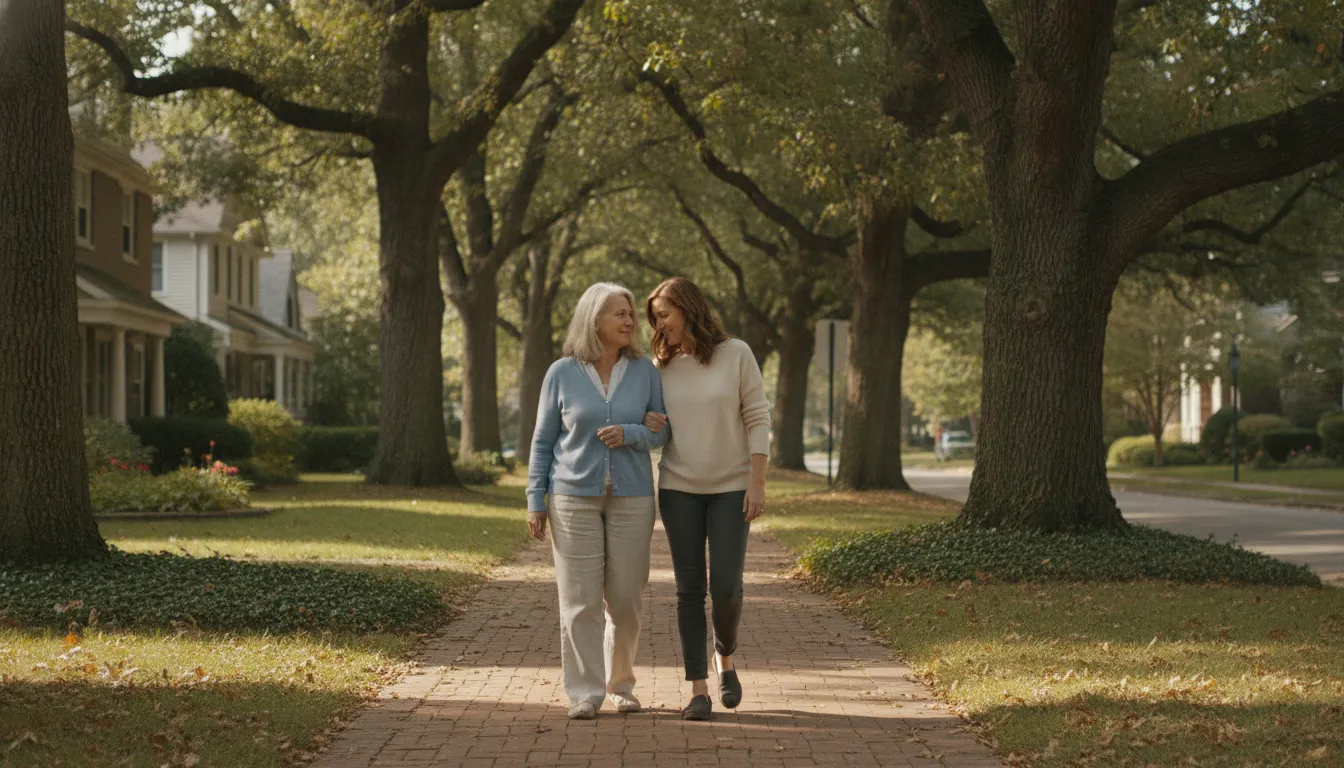
Social isolation can make this harder to recognize. Someone who no longer drives, has moved away from longtime neighbors, or feels uncomfortable asking for help may have fewer opportunities for others to notice a gradual change. Withdrawal may reflect grief, fatigue, pain, transportation barriers, or depression. Looking at the pattern over time is more useful than judging one quiet day.
Families should also remember that confusion or unusual behavior can sometimes signal a medical concern rather than a mood disorder. An infection, including a urinary tract infection, may be associated with behavior changes in some older adults. Learn more about other causes of behavior changes, and contact the person’s medical provider when a change is sudden, severe, or accompanied by physical symptoms.
Grief and depression can overlap, but they are not identical experiences. A person may need time and support after a loss without having a depressive disorder. When sadness becomes persistent, hopelessness is pervasive, interest remains low, or self-care and daily activities are affected, professional attention is appropriate. Blue Moon’s guide to grief versus depression in older adults offers more context. This information cannot diagnose anyone, but it can help families describe changes clearly and seek an appropriate assessment.
What should a family member do when worried?
Concern is understandable when a parent’s mood, behavior, social engagement, or daily functioning changes. Your role is not to decide whether the change is depression. Instead, offer steady support while helping your family member connect with appropriate care. These steps can make the conversation less threatening and more useful.
- Observe patterns without labeling them. Notice what has changed, when it began, and whether it is becoming more frequent or affecting meals, sleep, hygiene, appointments, relationships, or other daily activities. Write down specific examples rather than saying, “You are acting depressed.” A pattern can help a professional understand the concern. While a single quiet day may simply reflect fatigue, pain, grief, or a preference for solitude.
- Choose a calm moment and ask open questions. Try, “I have noticed you seem less interested in things lately. How have you been feeling?” or “What has been hardest recently?” Avoid arguing about whether your parent has a problem. Ask what kind of help would feel acceptable, and give them time to answer. If they resist counseling, these suggestions for how to talk with a parent about counseling may help you approach the subject with respect.
- Listen before offering solutions. Reflect what you hear, such as, “It sounds like losing your routine has been lonely.” Do not dismiss their experience. Force disclosure, or promise that everything will quickly improve. Depression-related concerns can occur alongside illness, medication issues, bereavement, loss of independence, or isolation. Listening may reveal which concern feels most urgent to the older adult.
- Encourage a professional assessment. Explain that an assessment is a conversation, not a verdict. A clinician can consider symptoms, medical history, medications, supports, living situation, and daily functioning. A family-initiated referral is an established access pathway when an adult child notices concerning changes. Family or caretaker participation may be possible when appropriate and with the patient’s consent. If social disconnection is part of the concern, practical ideas for support for an isolated older adult can complement professional guidance.
- Respect consent and confidentiality. Share observations honestly, but remember that an older adult has a right to make decisions about care and private conversations. Ask what information you may share and whether they would like you involved. You can still tell a clinician what you have observed, while understanding that the clinician may not be able to discuss private details without permission.
- Respond directly to immediate safety concerns. If your family member mentions suicide, asks about ways to die, or seems unable to stay safe, do not leave them alone if doing so would increase danger. Call or text 988 for the Suicide and Crisis Lifeline. In a life-threatening emergency, call 911 or seek emergency care. Safety concerns require immediate help, not a wait-and-see approach.
Blue Moon Senior Counseling offers individual teletherapy by phone or video for eligible older adults, subject to clinician licensure and patient location. You can call (630) 896-7160 to discuss senior counseling when your family needs guidance about a possible next step.
How is depression evaluated in older adults?
A professional evaluation looks at the whole person rather than relying on one symptom or a quick checklist. The purpose is to understand what has changed, how long concerns have been present, and how they affect everyday life. This process is educational and clinical, but it is not something a family member can complete reliably from a blog article.
What does an initial assessment cover?
An initial psychosocial assessment may begin with the older adult’s main concerns and symptom history. A clinician may ask about mood, interest, sleep, appetite, energy, worry, and changes in daily routines. The conversation can also include medical diagnoses, current medications, mental status, social supports, living situation, and any prior therapy. These details help place emotional changes in context. For example, a change in mood may need to be considered alongside a medical condition, a medication concern, a move, or a change in available support.
The assessment should also make room for the older adult’s own perspective. A caregiver may notice withdrawal or difficulty managing familiar tasks, but the person receiving care remains the central voice in the evaluation. Family members or caretakers may participate when appropriate and with the patient’s consent. This approach supports useful information-sharing while respecting privacy, dignity, and autonomy.
Are screening tools used?
They may be. Depending on the concerns identified, standardized measures can include the Geriatric Depression Scale, an anxiety screening measure, cognitive screening when indicated, and a functional assessment of daily activities. These tools can help organize information and identify areas that deserve closer attention. They do not replace a conversation with a qualified professional, establish a diagnosis by themselves, or prove that a normal age-related change is a mental health disorder.
Functional questions are especially important. A clinician may explore whether mood or worry is affecting self-care, household tasks, relationships, appointments, or other daily responsibilities. Cognitive screening may be considered when changes in memory, attention, or thinking are part of the concern. The goal is not to label the older adult, but to clarify what support may be appropriate and whether additional medical or mental health follow-up should be considered.
Families seeking an overview of senior counseling services can learn more about how this kind of assessment may fit into care. A professional evaluation can help distinguish uncertainty from a clear next step without asking anyone to diagnose themselves.
What support can help an older adult move forward?
When changes in mood, interest, sleep, or daily functioning continue, support can provide a thoughtful next step without reducing the person to a diagnosis. Counseling can help an older adult describe what has changed, consider how health and life circumstances may be affecting mood, and identify practical ways to cope. It can also help family members understand how to be supportive while respecting the older adult’s choices and privacy.
Blue Moon Senior Counseling provides individual teletherapy by phone or video for adults age 65 and older. An in-person visit is not required. This format may be useful for someone who has transportation challenges, limited mobility, health concerns, or discomfort with visiting an unfamiliar office. Availability depends on clinician licensure and the patient’s location, so families should confirm whether services can be provided where the older adult lives.
What might counseling include?
Care is adapted to the individual rather than selected from a one-size-fits-all checklist. Depending on the person’s concerns and goals, a clinician may use Cognitive Behavioral Therapy adapted for older adults, interpersonal therapy, problem-solving therapy, or another evidence-based approach. These approaches can address thoughts, relationships, routines, grief, adjustment, isolation, and the practical challenges that often accompany aging. The purpose is not to label ordinary sadness or forgetfulness as depression. It is to understand the whole person and support meaningful daily functioning.
An initial assessment may review the presenting concern, symptom history, medical diagnoses, medications, mental status, social supports, living situation, and prior therapy. Depression or anxiety measures, cognitive screening when indicated, and an assessment of daily activities may also help the clinician understand what kind of support is appropriate. Family members or caregivers may participate when appropriate and with the older adult’s consent. This protects autonomy while allowing useful observations to be included.
How do privacy and coverage work?
Privacy matters when an older adult is discussing loss, health changes, family stress, or fear about the future. Blue Moon states that its online referral process is HIPAA-compliant and that it follows HIPAA and confidentiality laws. Before a session, the older adult can choose a private location and discuss who, if anyone, may be involved in care.
For eligible beneficiaries, Blue Moon describes counseling as a Medicare Part B covered service. Coverage and plan requirements can vary, so verify eligibility and details before beginning care. A family member may initiate a referral when they are worried about a parent’s mood, behavior, or functioning. But the referral is a starting point for a conversation, not a substitute for the older adult’s participation and consent.
To take a practical next step, families can gather a few observations about changes, ask the older adult what kind of help feels acceptable, and request senior counseling. Professional support is especially appropriate when concerns persist, worsen, interfere with daily life. Involve major loss of interest, or include hopelessness, significant sleep or appetite changes, or safety concerns.
Call Blue Moon Senior Counseling at (630) 896-7160
Frequently Asked Questions
Does feeling sad mean an older adult is depressed?
No. Sadness, forgetfulness, a slower pace, or wanting more solitude can occur without depression. Concern rises when changes persist, worsen, interfere with daily activities, or appear with loss of interest, sleep or appetite changes, hopelessness, withdrawal, or reduced self-care. A family member can notice patterns and encourage a professional assessment, but observations alone cannot establish a diagnosis.
How long should concerning symptoms last?
Duration is one part of the picture. The National Institute of Mental Health explains that symptoms used to diagnose major depression occur most of the day. Nearly every day, for at least two weeks, and interfere with daily activities: NIMH depression guidance. Do not wait for an exact timeline if functioning declines quickly or safety becomes a concern.
What should I do if my parent refuses counseling?
Start with curiosity rather than pressure. Describe the specific changes you have noticed, ask what feels difficult, listen without arguing. And offer choices such as a primary-care visit or a private phone or video counseling appointment. Respect your parent’s autonomy while staying involved in a practical, supportive way. With consent, a clinician can include family observations in the assessment.
What if an older adult talks about suicide?
Ask directly whether the person is thinking about suicide, stay with them when possible, and treat the statement seriously. In the United States, call or text 988, or use the 988 Lifeline chat, for crisis support. Call 911 for an immediate, life-threatening emergency. Do not leave the person alone if you believe they may act soon.
Schedule a conversation about senior counseling
If you are unsure whether changes reflect normal aging or depression, a professional conversation can help clarify possible next steps without labeling or diagnosing your loved one. To schedule a consultation or request individual senior counseling support, request senior counseling through Blue Moon Senior Counseling.