

If you are a senior trying to rebuild social connection after a major life change, you may not know where to begin. A spouse’s death, a move, a new diagnosis, a change in mobility, or the end of a caregiving role can alter your routine and your relationships at the same time. Reconnection does not require becoming highly social overnight. It starts with one safe person, one manageable activity, and a plan you can repeat.
Call Blue Moon Senior Counseling at (630) 896-7160 if a major life change has left you feeling isolated and you would like individual support.
What counts as a major life change for a senior?
A major life change is an event that alters a senior’s daily routine, role, health, home, or close relationships. Examples include bereavement, relocation, retirement, a new illness, loss of driving privileges, reduced mobility, or becoming a caregiver or care recipient. Even a welcome change can require emotional adjustment and new ways to stay connected.
People often think of change only as a crisis. However, positive events can also unsettle the patterns that made connection feel easy. Moving closer to family may still mean leaving familiar neighbors. Retirement may bring freedom while removing daily contact with coworkers. A health change may make a favorite activity harder to reach.
Several transitions may happen together. A senior may move after a spouse dies, lose access to transportation, and begin managing medical appointments within the same season. The result can feel like more than ordinary loneliness. It may be a loss of identity, confidence, predictability, or belonging.
It can help to name the changes without judging your response. Saying, “My routine changed, and I miss having people around me,” is more useful than deciding you should simply adjust. Understanding the change makes it easier to choose a realistic next step.
Why can a major life change make social connection harder?
Major changes can interrupt the routines that create connection, such as shared meals, work conversations, transportation, community activities, or visits with a partner. Grief, anxiety, fatigue, hearing loss, mobility limits, and uncertainty may also make reaching out feel harder. The goal is to reduce barriers gradually, not to force immediate social activity.
Familiar contact may disappear
Many relationships are supported by regular circumstances rather than scheduled plans. A workplace creates repeated contact. A spouse may provide conversation throughout the day. A neighborhood route may lead to familiar faces. When the circumstance changes, contact can fade even when caring remains.
Confidence may change after loss or illness
A person who used to drive, host family meals, or attend a club may worry about being a burden after a physical or emotional change. Grief can also reduce energy and make ordinary conversation feel demanding. These reactions are understandable, but avoiding every interaction can make the next step feel even larger.
Practical barriers can look like a lack of interest
Transportation, stairs, cost, fatigue, vision or hearing changes, and uncertainty about accessible facilities can limit participation. A senior may want connection but not have a workable way to get there. The National Institute on Aging explains that life changes, mobility concerns, sensory changes, and lack of transportation can increase the risk of loneliness and social isolation.
How can a senior rebuild social connection after a major life change?
A senior can rebuild social connection by starting with an existing relationship, choosing one low-pressure activity, removing a practical barrier, and repeating the contact on a predictable schedule. Begin with a phone call or short visit if going out feels difficult. Over time, add purposeful activities that match your interests, energy, health, and transportation.
1. Start with one dependable relationship
Think about the person who feels easiest to contact. It may be a sibling, neighbor, former coworker, faith leader, friend, adult child, or member of a support community. Send a short message or make a brief call. You do not have to explain everything. A simple request works: “I am adjusting to a lot of change. Could we talk for 15 minutes on Thursday?” A specific invitation is easier to answer than “We should get together sometime.”
2. Choose a small, repeatable activity
Look for a connection that can happen weekly or several times each month. Repetition builds familiarity and reduces the pressure to make a new decision each time. Consider:
- A morning or evening phone call with a trusted person
- A shared meal, even if it is short or held at home
- A library, senior center, faith, or community activity
- A walking group or accessible exercise class approved for your abilities
- A book, gardening, craft, music, or game group
- Volunteering in a role with clear hours and responsibilities
- A video call with family when travel is difficult
The CDC describes social connectedness as feeling supported, valued, and part of meaningful relationships. The activity does not need to look impressive. It needs to create a positive opportunity for contact that you can realistically repeat.
3. Match the plan to your current capacity
On a low-energy day, a 10-minute call may be a successful connection. On a stronger day, you may be able to attend an activity or invite someone for coffee. Build a plan with a minimum version and a longer version. This approach protects progress when pain, fatigue, transportation, or mood changes.
| Barrier | Smaller first step | Possible next step |
|---|---|---|
| Leaving home feels difficult | Call one trusted person from home | Invite that person for a short visit |
| Transportation is limited | Ask a community program about rides | Attend a nearby or virtual activity |
| Conversation feels tiring | Plan a 10-minute check-in | Schedule a shared meal or hobby |
| New places feel uncomfortable | Ask someone to go with you | Return at the same time each week |
4. Reconnect with an existing interest
Starting from a familiar interest can feel safer than searching for an entirely new identity. Consider a hobby you paused, a subject you enjoy discussing, or a role that reflects your values. Someone who liked cooking might join a meal group. A former teacher might read with children or mentor another adult. A gardener might share cuttings with a neighbor. The purpose is not productivity. It is meaningful contact.
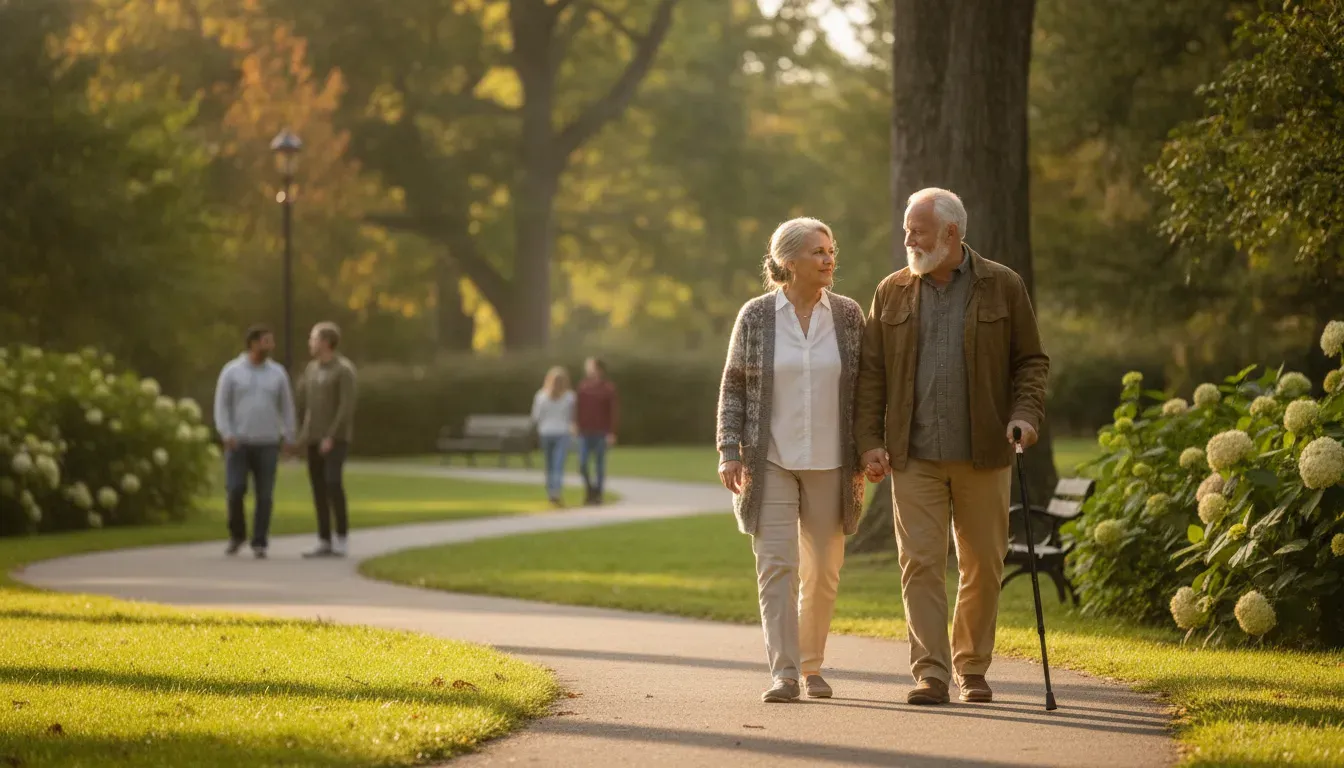
5. Remove one access barrier
Write down what makes connection difficult. Is it transportation, hearing, vision, stairs, weather, technology, fatigue, or worry about being judged? Choose one barrier to address. You might use a phone instead of video, ask for a quieter meeting space, arrange a ride, use a mobility aid, or ask a trusted person to attend the first time. Adaptation is not failure. It is how a plan becomes usable.
What if leaving home or starting conversations feels overwhelming?
If reconnection feels overwhelming, lower the intensity and add support. Begin with a text, a short phone call, or a familiar person visiting at home. Use a written conversation starter, choose a quiet setting, and set an end time. If fear, sadness, or avoidance keeps limiting daily life, a mental health professional can help you plan gradual steps.
There is no requirement to attend a crowded event or make several new friends. A first step can be letting one person know what you need. Try one of these conversation starters:
- “I am still adjusting to my recent change. Could we check in once a week?”
- “I would like company, but I have limited energy. Can we keep our visit short?”
- “I am interested in joining, but I may need help with transportation.”
- “Could you come with me the first time so I know what to expect?”
- “I miss talking with people. What activity could we try together?”
If a gathering is too much, try a quieter version. Meet one person before the larger group arrives. Sit near an exit. Use a phone call before an in-person visit. Give yourself permission to leave after 20 minutes. Each successful experience can make the next one more familiar.
When hearing or vision changes affect conversations, ask others to face you, reduce background noise, speak clearly, or use a preferred communication method. These simple adjustments can protect connection and reduce the temptation to withdraw.
How can family members support reconnection without taking over?
Family members can support reconnection by listening first, offering specific choices, and respecting the senior’s pace. Ask what feels manageable instead of planning a full schedule. Help with transportation, technology, or introductions when requested, while preserving the senior’s control over invitations, activities, and personal information.
Ask before solving
Start with a question such as, “Would you like me to listen, help you make a plan, or help with one practical task?” Advice given too quickly can feel like criticism, especially when the senior is grieving or adapting to a loss of independence.
Offer choices instead of pressure
Give two realistic options: a phone call or a short visit, a quiet coffee or a walk, a familiar person or a new group. Choices reduce the feeling that connection is another obligation. Avoid treating one declined invitation as a final answer. Try again later with a smaller request.
Protect dignity and privacy
A family member can help coordinate rides or technology without speaking for the senior in every setting. Ask permission before sharing personal details. If professional support is being considered, invite the senior into the conversation and let them decide how family participation should work.
Blue Moon Senior Counseling primarily offers individual teletherapy by phone or video. For an eligible person, ask the intake team whether services are a Medicare Part B covered service under the person’s insurance plan. A self-referral or family referral can be discussed without assuming that every situation, plan, or service has the same coverage.
When should a senior seek professional mental health support?
Consider professional support when loneliness or distress persists, worsens, or interferes with sleep, appetite, daily tasks, relationships, or interest in life. Support may also help when grief, anxiety, or adjustment makes it hard to take even small steps toward connection. A therapist can help identify barriers and create a gradual, individualized plan.
Feeling lonely after a major transition does not automatically mean you have a mental health disorder. It does mean your experience deserves attention. Talk with a primary care professional or mental health professional if you notice ongoing sadness, hopelessness, loss of interest, severe worry, sleep or appetite changes, low energy, or difficulty managing ordinary responsibilities.
Blue Moon Senior Counseling provides geriatric counseling for older adults through individual teletherapy by phone or video. Its clinicians focus on concerns that can accompany aging, including senior isolation, bereavement, adjustment disorders, and coping with illness. Learn more about counseling for senior isolation and deep loneliness, bereavement counseling, or support for adjustment disorders.
For an immediate mental health crisis or thoughts of suicide, call or text 988 in the United States or contact emergency services. The 988 Suicide and Crisis Lifeline provides crisis support. Do not wait for a scheduled appointment when there is an immediate safety concern.
FAQs about rebuilding social connection after major life change
Rebuilding social connection after a major life change is usually a gradual process. Start with one trusted person and one repeatable activity, then adapt for health, energy, transportation, and comfort. Consistent small contacts can be more sustainable than a large social commitment made all at once.
How long does it take to feel connected again after a major life change?
There is no universal timeline. Some people feel better after restoring one familiar routine, while others need more time after bereavement, relocation, illness, or a major loss of independence. Focus on small actions you can repeat and notice whether your mood and daily functioning gradually improve.
What if I do not want to join a group?
You do not have to join a group to rebuild connection. Start with one-to-one contact, such as a phone call, a short visit, a shared meal, or a familiar hobby with one person. If social anxiety or low mood makes contact feel impossible, professional support may help you take a manageable first step.
Can online or phone contact help with loneliness?
Yes. Phone calls and video calls can support meaningful contact when distance, mobility, weather, or health makes an in-person visit difficult. Choose a format that feels comfortable and schedule it consistently. If technology is frustrating, ask a trusted person to help set up a simple routine.
How can I help an older parent who is withdrawing?
Listen without arguing, ask what feels hardest, and offer one specific low-pressure option. Help with transportation or technology if requested. Pay attention to ongoing sadness, hopelessness, changes in sleep or appetite, or trouble with daily tasks, and encourage a conversation with a healthcare or mental health professional when those concerns persist.
Is social isolation the same as loneliness?
No. Loneliness is the painful feeling of lacking the connection you want. Social isolation describes having few social contacts or interactions. A person can live alone and feel content, or spend time around others and still feel lonely. Both experiences deserve compassionate attention when they affect well-being.
Sources and further reading
- National Institute on Aging: Loneliness and Social Isolation: Tips for Staying Connected
- Centers for Disease Control and Prevention: Information for Older Adults
- 988 Suicide and Crisis Lifeline
This article is for general education and is not a diagnosis or a substitute for medical or mental health care. Speak with a qualified professional about your individual situation.