

Sorting through a lifetime of possessions is rarely just a physical task; it is an emotional one. Each item can hold memories, representing people, places, and moments from the past. Deciding what to keep and what to let go of can bring up a wide range of feelings, from joy to sadness. It is important to acknowledge that this process is about honoring your life story while making space for your present needs. This guide to organizing for seniors addresses both the practical steps of decluttering and the emotional side of letting go, offering strategies to approach the process with patience and self-compassion.
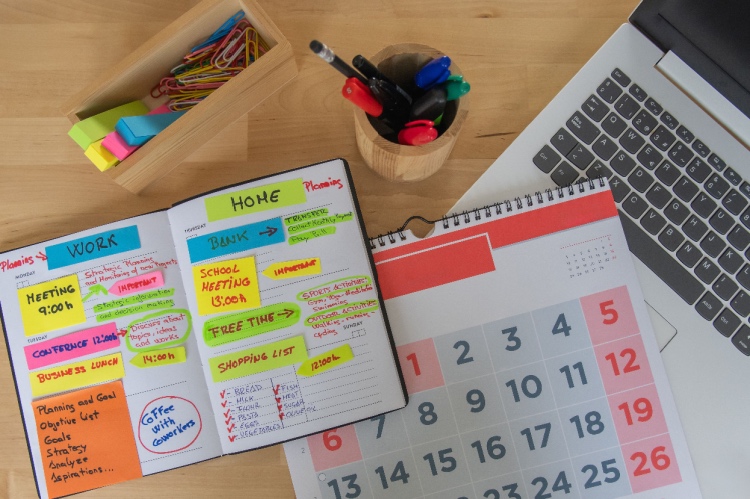 Staying organized can make daily life feel smoother and more relaxed. As we get older, the way we manage tasks, information, and everyday items often changes. You might prefer simpler systems or want things to feel easier to keep track of. Feeling organized is not about doing everything perfectly. It is about creating small habits and setups that make your day more manageable. Research published in the International Journal of Environmental Research and Public Health highlights that having clear routines and organized living spaces can make daily activities feel easier to manage for older adults. When the environment supports daily tasks, well-being improves, and stress decreases.
Table of Contents
- Create Simple Categories for Daily Tasks
- Keep Important Documents in One Easy Place
- Use a Calendar System That Works for You
- Set Up Small Home Zones for Everyday Items
- Keep Medications Organized and Easy to Manage
- Make Communication Easy to Track
- Try Light Digital Organization
- Build Easy Weekly or Monthly Check-In Moments
- Staying Organized With Support From Blue Moon Senior Counseling
- Frequently Asked Questions
Why Home Organization is Crucial for Seniors
As we age, the environment we live in plays a significant role in our daily comfort and safety. Home organization is about more than just having a tidy space; it’s about creating a functional, safe, and supportive setting that enhances independence and peace of mind. A well-organized home can reduce daily frustrations, like searching for misplaced keys or glasses, and minimize potential hazards. According to Caring Senior Service, an organized home is essential for preventing falls, making it easier to use mobility aids, and helping seniors find important items quickly. By simplifying your surroundings, you create a calmer atmosphere that can positively impact your overall well-being and make it easier to focus on the activities you enjoy.
The Connection Between Physical Clutter and Safety
Physical clutter can create direct safety risks in the home. Piles of books, stacks of mail, or items left on the floor can easily become tripping hazards, especially in hallways or high-traffic areas. For those who use walkers or canes, clear pathways are not just a convenience—they are a necessity for safe movement. An organized home ensures that mobility aids can be used without obstruction, significantly reducing the risk of falls. Furthermore, having a designated place for everything means important items like medications, emergency contacts, and medical devices are always accessible when needed. This level of organization can be critical in an emergency, saving precious time and reducing stress during an already tense situation.
Additional Benefits of an Organized Home
Beyond physical safety, an organized home offers powerful mental and emotional benefits. Living in a cluttered space can contribute to feelings of stress, anxiety, and being overwhelmed. When your environment is orderly, it can bring a sense of calm and control, which is incredibly beneficial for mental health. It also simplifies daily routines, freeing up mental energy for more fulfilling activities. For family members and caregivers, an organized home makes it easier to provide support. As Caring Senior Service notes, organization helps reduce stress for caregivers by making it simpler to find supplies, manage medications, and ensure the home is safe. This creates a more positive and supportive atmosphere for everyone, fostering independence and confidence in the process of aging gracefully.
Managing the Emotional Side of Letting Go
Sorting through a lifetime of possessions is rarely just a physical task; it’s an emotional one. Each item can hold memories, representing people, places, and moments from the past. Deciding what to keep and what to let go of can bring up a wide range of feelings, from nostalgia and joy to sadness and guilt. It’s important to acknowledge that this process is about more than just decluttering—it’s about honoring your life story while making space for your present and future needs. Giving yourself the grace to feel these emotions without judgment is the first step. This journey is personal, and there is no right or wrong way to feel as you handle items that have been part of your life for years.
Be Patient and Non-Judgmental With Yourself
It’s completely normal to feel attached to your belongings. As one professional organizer from Reawaken Your Brilliance explains, “Downsizing can be a very emotional experience for people.” Many individuals feel judged by others, or even by themselves, for holding onto certain items. It is essential to approach this process with self-compassion. Allow yourself time to reminisce and process the memories tied to your possessions. If you find the emotional weight of decluttering to be overwhelming, remember that support is available. Discussing these feelings in individual teletherapy can provide a safe space to work through the complexities of letting go. At Blue Moon Senior Counseling, this is a Medicare Part B covered service, designed to help you manage life’s adjustments with professional support.
Find Alternatives for Sentimental Items
Letting go of an object doesn’t mean you have to let go of the memory. There are many creative ways to preserve the meaning behind sentimental items without keeping the physical clutter. Consider taking high-quality photographs of cherished objects and creating a digital or physical photo album. You could also create a small “memory box” to store a few of your most treasured keepsakes. Another meaningful option is to pass items on to family members or friends who will appreciate their history. The goal is to keep things that, as Reawaken Your Brilliance suggests, “bring you comfort and joy,” not just things you feel obligated to hold onto. This reframes the process from one of loss to one of intentional curation and sharing.
Practical Strategies for Decluttering
Once you’re emotionally ready to begin, having a clear plan can make the process of decluttering feel much more manageable. Instead of looking at your entire home and feeling overwhelmed, breaking the project down into small, actionable steps will help you build momentum and see progress. The key is to work methodically and celebrate small victories along the way. Whether you dedicate 15 minutes a day or a few hours each weekend, a consistent and strategic approach will yield the best results. Remember, the goal is progress, not perfection. These practical strategies are designed to simplify the process and help you create a more organized and peaceful living space without causing unnecessary stress.
Start Small and Strategically
The thought of decluttering an entire house can be paralyzing. To avoid this, don’t try to tackle everything at once. As the experts at Shasta Estates advise, “Start early and plan ahead: Don’t rush.” Begin with a single, small area, like one drawer in the kitchen, a shelf on a bookcase, or the top of your nightstand. Choosing a small, contained space makes the task feel achievable and provides a quick sense of accomplishment. This small win can provide the motivation you need to continue. Once you’ve completed one area, you can move on to the next. Creating a simple checklist of areas to address can also help you track your progress and stay focused on one task at a time.
Use a Sorting System
A structured sorting system can prevent you from simply moving piles of clutter from one spot to another. A popular and effective method is the “Keep, Donate, Sell, Trash” approach. Before you start, set up four boxes or bags and label them clearly. As you pick up each item, make a definitive choice and place it in the corresponding box. Shasta Estates suggests a helpful rule of thumb: “If you haven’t used something in a year, it’s probably time to let it go.” This simple guideline can make decisions easier and less emotional. Being decisive is crucial for making tangible progress and avoiding the temptation to second-guess every choice you make.
The 80/20 Rule for Clutter
The 80/20 rule, also known as the Pareto principle, can be a powerful tool for decluttering. As explained by Tidy Style Idaho, this rule suggests that “80% of your clutter problems come from only 20% of your stuff.” Take a moment to identify the main sources of clutter in your home. Is it a mountain of old magazines, a closet full of clothes you no longer wear, or a collection of unused kitchen gadgets? By focusing your energy on that critical 20%, you can make a significant impact on the overall tidiness of your home with less effort. This approach helps you prioritize your tasks and tackle the areas that will give you the biggest and most immediate results.
Act Immediately on Decisions
Once you’ve sorted your items into their respective boxes, it’s vital to complete the process. Don’t let the “Donate” or “Sell” boxes sit in a corner for weeks, creating new clutter. As Tidy Style Idaho emphasizes, you should “act immediately on decisions.” As soon as a bag is full, take it out to the trash. Schedule a pickup for your donations or put the box in your car so you can drop it off on your next outing. If you plan to sell items, list them online or take them to a consignment shop right away. Taking immediate action provides a sense of closure and ensures your hard work pays off in a visibly cleaner and more organized space.
Room-Specific Organizing Tips for Safety and Function
Applying general organizing principles to specific rooms in your home can maximize both safety and functionality. Each room has its own unique purpose and potential hazards, so tailoring your approach is key. By focusing on the most frequently used spaces first—like the kitchen, living room, bathroom, and bedroom—you can quickly improve your daily quality of life. The goal is to create an environment where everything is easy to find, simple to use, and arranged in a way that supports your independence and well-being. These room-specific tips will help you create a home that is not only tidy but also perfectly suited to your needs.
Kitchen
The kitchen is often the heart of the home, but it can also be a place with many potential hazards. To improve safety and efficiency, start by organizing your cabinets and pantry. As recommended by Caring Senior Service, “keep often-used items easy to reach.” Place heavy pots, pans, and appliances on lower shelves to avoid straining to lift them. Group similar items together, such as baking supplies or spices, so you can find what you need quickly. Regularly go through your refrigerator and pantry to discard expired food. Using clear, labeled containers for staples like flour and sugar can also make them easier to identify and access, simplifying your cooking routine.
Living Room
Your living room should be a comfortable and relaxing space, free from obstacles. Ensure there are clear, wide pathways between furniture to allow for easy movement, especially if you use a walker or cane. Securely fasten any area rugs to the floor with double-sided tape or non-slip pads to prevent them from bunching up and becoming a tripping hazard. Tame electrical cords by bundling them together and running them along walls, or use cord covers to keep them out of walkways. Good lighting is also crucial, so make sure lamps are stable and easy to turn on and off. A tidy and well-arranged living room is a safer and more enjoyable place to relax and entertain guests.
Bathroom
Safety is the top priority when organizing a bathroom. Start by clearing countertops, keeping only daily essentials within easy reach. Use shelves or cabinet organizers to store extra toiletries and supplies. It’s also critical to “safely get rid of old medicines,” as advised by Caring Senior Service. Check the expiration dates on all medications and personal care products, and follow local guidelines for proper disposal of expired prescriptions. Installing grab bars in the shower and near the toilet can provide crucial support, while a non-slip mat both inside and outside the tub or shower can help prevent falls on wet surfaces. An organized bathroom is a safer bathroom.
Bedroom
A cluttered bedroom can disrupt sleep and create safety issues, particularly at night. The primary goal is to “create a calming environment by minimizing clutter.” Ensure there is a clear path from your bed to the doorway and bathroom for safe nighttime navigation. Your nightstand should be organized and hold only essential items, such as a lamp, a telephone, a glass of water, and any necessary medications. Arrange your closet and drawers so that the clothes you wear most often are the easiest to access. This reduces the need to stretch or dig through piles of clothing, making your morning routine smoother and more pleasant.
1. Create Simple Categories for Daily Tasks
Long to-do lists can feel defeating. When everything is mixed together, it can be hard to know where to start. Breaking tasks into gentle categories can bring relief and clarity. Here are examples you can try:
- Today
- This week
- Later
- Need help with
- Needs follow up
This lets you sort tasks based on how soon you want to get to them, not based on pressure. It also helps keep your energy in mind. You can choose to only focus on one or two things under the “Today” category. This keeps the day manageable and gives you a sense of accomplishment when those tasks are done. You might find it easier to jot things down in a small notebook or even on sticky notes. Keeping categories visible reduces the feeling of mental clutter. Moving a task from ‘Later’ into ‘This week’ or ‘Today’ gives you a clear sense of progress without adding pressure.
2. Keep Important Documents in One Easy Place
Paper can build up quickly. Letters, bills, forms, and notes can end up in different drawers or piles. When something important is needed, it can feel stressful to search for it. A simple document system removes that stress. Here is a setup that works for many older adults:
- One folder for medical information
- One folder for financial documents
- One folder for personal or household papers
- One “immediate needs” folder for anything active this week
Each folder can be clearly labeled, but the labels do not need to be fancy. Even masking tape and a pen works perfectly. The goal is consistency. You can also keep a small envelope inside your medical folder with:
- A current medication list
- Names and contact information for your doctors
- Any recent appointment notes
Having everything together makes each appointment easier and helps you feel more prepared. Over time, this system builds confidence because you always know where things are. Guidance from federal financial well-being programs even emphasizes that keeping medical, legal, and financial papers in one consistent location reduces stress and prevents last-minute searching, which is especially helpful during appointments or emergencies.
3. Use a Calendar System That Works for You
A calendar can be one of the most helpful organization tools when it fits your style. The key is picking a system that feels natural and easy. Different options include:
- A large wall calendar in a place you walk by often
- A small planner you keep in your bag or near your favorite chair
- A simple digital calendar on your phone
- A magnetic calendar on the refrigerator
For many older adults, having one central calendar reduces confusion. You can write down:
- Appointments
- Family events
- Medication refills
- Bill due dates
- Important reminders
If you like color coding, pick two or three colors to highlight different types of events. If not, keeping everything in plain writing is just fine. What matters is that your calendar feels like a helpful companion, not another task you have to manage. Try checking it once in the morning and once in the evening. These quick glances help you stay oriented and reduce surprises.
4. Set Up Small Home Zones for Everyday Items
Losing track of small items can disrupt your whole day. Creating simple “home zones” helps you always know where your essentials live. Examples of effective home zones include:
- A small tray for keys
- A bowl or basket for glasses
- A charging station for phones and tablets
- A drawer or shelf for mail
- A basket for remote controls
- A nightstand area for evening needs
These zones make it easier to put things away without thinking about it. Even visitors will understand where items belong, which helps keep your home tidy. Home zones work best when they match your habits, so place them in spots you already use naturally. For example, if you always drop your keys near the door, put a small dish there. If glasses often end up in the kitchen, place a small basket on the counter. Organization works best when it supports your habits.
5. Keep Medications Organized and Easy to Manage
Medication management is a big part of staying organized as you get older. A clear system helps you feel secure and avoids missed doses. Here are supportive ideas:
- Use a weekly or monthly pill organizer with large print
- Keep medications in the same spot every day
- Store them somewhere visible so you do not forget
- Add a refill reminder on your calendar
- Keep a medication list updated in your medical folder
If you take medications at different times of day, you can use organizers with morning and evening sections. For people who prefer visual reminders, placing a small sticky note near your organizer can help you remember. Some older adults also find it helpful to pair medication times with daily moments, like taking them before brushing your teeth or after breakfast.
6. Make Communication Easy to Track
Phone calls, reminders, appointments, and messages can blend together. Keeping communication organized gives you peace of mind. Here are ways to simplify communication:
- Keep a notepad next to the phone for quick details
- Use a small notebook as your “communication journal”
- Write down names of people you talk to often
- Save important phone numbers in one place
- Keep appointment cards in a small dish or pocket in your purse
This helps you stay clear about follow-up tasks without relying on memory alone. You can also jot down small notes from conversations, such as dates, instructions, or plans. These notes prevent confusion and help you feel more confident during future calls.
7. Try Light Digital Organization
Technology can feel easier when you use it in small, simple ways. You do not need to be an expert to stay digitally organized. Here are gentle digital ideas:
- Create photo albums on your phone to sort family pictures
- Use your phone’s notes app for shopping lists or reminders
- Save contacts with clear labels, like “Doctor Smith Office”
- Use voice memos if writing is uncomfortable
- Bookmark important websites you use often
You can also ask a family member or friend to help you set these up. Once they are in place, they can make daily tasks more manageable. If technology feels overwhelming, you can skip it entirely. The goal is to give you more support, not more work.
8. Build Easy Weekly or Monthly Check-In Moments
You do not need daily routines to stay organized. Small check-ins can keep everything running smoothly without adding pressure. Here are ideas for simple check-ins:
- Sorting your mail once a week
- Updating your calendar
- Refilling medications
- Reviewing your folder of important papers
- Tidying your home zones
- Checking if anything needs to be donated or thrown away
These check-ins help you stay ahead of clutter and keep your systems fresh. You can even make them enjoyable by pairing them with a cup of tea, music, or a relaxing moment. A few minutes can make your home and schedule feel peaceful again.
Advice for Downsizing to a Smaller Home
Downsizing is more than just moving; it is a significant life transition that can bring up a lot of emotions. While the goal is often to simplify and reduce stress, the process itself can feel complicated. Letting go of a home filled with memories requires both practical planning and emotional preparation. The key is to approach it with patience and a clear strategy. By breaking the process down into smaller, more manageable steps, you can move toward a simpler lifestyle with confidence and peace of mind. This transition is an opportunity to focus on what truly matters, like your well-being, family, and hobbies, rather than the upkeep of a larger space.
Plan Ahead for a Smooth Transition
The best way to make downsizing feel less overwhelming is to start early. Give yourself several months to plan and work through your belongings without feeling rushed. Begin by creating a simple timeline with a checklist of tasks for each week or month. Think about your new, smaller space and what will realistically fit. This visualization helps you make clearer decisions about what to keep. Planning ahead turns a massive project into a series of achievable goals, which can greatly reduce the stress of moving. It gives you the time and space to handle both the physical sorting and the feelings that come with it, ensuring the transition is as smooth as possible.
Sell, Donate, or Temporarily Store Items
Once you have a plan, you can begin sorting your possessions. A popular method is to use four categories: Keep, Donate, Sell, and Trash. Start with a room that holds fewer sentimental items, like a bathroom or laundry room, to build momentum before tackling more emotional spaces like a bedroom or office. You can hold a yard sale, sell items on platforms like Facebook Marketplace, or donate them to local charities, many of which offer free pickup for larger furniture. This practical step of decluttering not only prepares you for your new home but also allows your pre-loved items to find a new purpose, which can be a rewarding experience in itself.
Focus on Experiences, Not Possessions
Downsizing is a chance to embrace a simpler way of living. As you sort through your belongings, try to keep only the things that bring you genuine joy or serve a clear purpose. This process is an invitation to shift your focus from accumulating possessions to cultivating experiences, relationships, and hobbies. Letting go of physical clutter can create mental and emotional space for what truly enriches your life. This change in perspective is a core part of navigating the aging process gracefully, allowing you to invest your time and energy into moments and connections that bring lasting happiness rather than the upkeep of material things.
Adapting the Process and Getting Help
Every person’s journey with downsizing is unique, and it is important to honor your own pace and feelings. There is no right or wrong way to feel when sorting through a lifetime of memories. Some days you might feel motivated and clear-headed, while other days may feel heavy and emotional. The most important thing is to be kind to yourself and recognize that this is a major adjustment. Allowing for flexibility and seeking support when you need it are signs of strength. Whether that support comes from family, friends, or professionals, having someone to lean on can make all the difference in making this transition a positive one.
Adjust the Pace to Prevent Overwhelm
It is easy to feel overwhelmed when faced with decluttering an entire home. To prevent burnout, try working in shorter, focused sessions of about two hours instead of trying to tackle everything at once. This approach keeps your energy levels up and makes the process feel more sustainable. Remember, it is perfectly okay to take breaks or even take a few days off when you need to. If you are feeling particularly stuck or notice that the process is causing significant anxiety, it can be helpful to talk about it. Sharing your feelings with a trusted friend or family member can provide comfort and perspective during this emotional time.
Know When to Ask for Professional Help
Sometimes, the scope of downsizing requires more support than friends and family can provide. If you find that clutter is affecting your safety, or if you simply feel too overwhelmed to continue, it may be time to ask for professional help. This can mean hiring a professional organizer to assist with the physical sorting or a caregiver to help with daily tasks. It is also important to acknowledge the emotional toll. Talking with a therapist can provide a safe space to process the grief, stress, and other feelings that arise. At Blue Moon Senior Counseling, our individual teletherapy is a Medicare Part B covered service designed to support you right from the comfort of your home.
Staying Organized With Support From Blue Moon Senior Counseling
When life starts to feel cluttered or unsteady, stress can build quickly. At Blue Moon Senior Counseling, our licensed therapists help older adults work through the emotions that come with feeling overwhelmed, whether it’s stress, frustration, or difficulty maintaining balance during the day. Together, we explore what you’re experiencing and find approaches that support your emotional well-being. If you’re looking for a calming space to sort through these feelings, contact our team today.
Frequently Asked Questions
1. What is the most helpful first step toward getting organized?
Starting with one simple category, folder, or home zone is usually easiest. When one area feels organized, it encourages you to continue.
2. How can I stay organized if I forget where I place things?
Using visible spots like trays, bowls, or baskets can help. Keeping reminders in places you see every day also supports memory without adding pressure.
3. What if I get overwhelmed with too many steps or tools?
Choose the simplest version of each idea. One folder, one calendar, or one home zone is enough. You can add more only if it feels useful.
4. How can I make paperwork feel less stressful?
Keeping all important documents together in labeled folders reduces the feeling of being scattered. Small check-ins also help you stay on top of new papers.
5. Can therapy help me feel more organized?
Yes. Talking through stressors, creating clearer habits, and breaking tasks into manageable parts can all improve the way you approach organization. A therapist can help you find strategies that match your comfort level and needs.
Key Takeaways
- Address the emotions of decluttering: Recognize that letting go of items is a personal process. Give yourself time to process memories and consider creative alternatives for sentimental objects, such as creating a photo album or passing them to loved ones.
- Start small with practical systems: Avoid feeling overwhelmed by tackling one small area at a time, like a single drawer. Create simple habits that stick, such as using designated “home zones” for keys and glasses or maintaining a central calendar for appointments.
- Organize your home for safety and function: A well-organized space reduces risks and supports independence. Focus on creating clear pathways to prevent falls, keeping medications accessible, and arranging rooms so that essential items are always within easy reach.