
When you’re feeling anxious, the last thing you need is a complicated solution. You need simple, accessible tools that work. The most effective methods for finding calm don’t require special equipment or a lot of time; in fact, many can be done right from the comfort of your favorite chair. This is about empowering you with practical skills to manage stress in the moment. Think of it as building a personal toolkit for your well-being. Below, we will cover several easy-to-learn relaxation techniques for anxiety that can help you find immediate relief and build long-term emotional resilience.
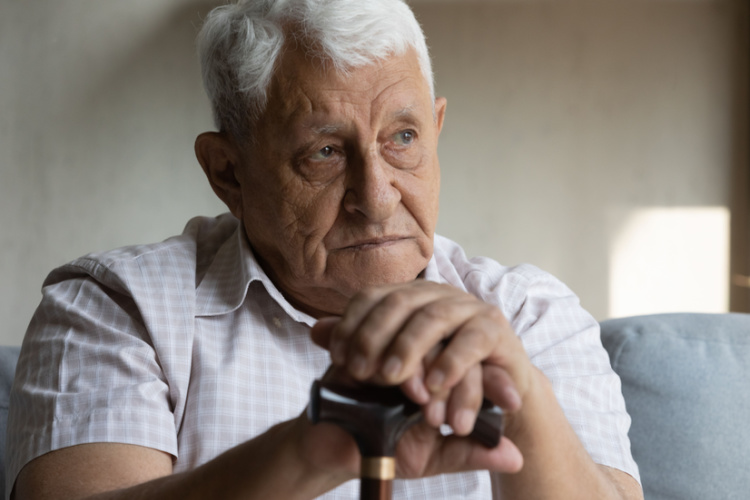 Anxiety can affect individuals of all ages, but it’s especially important to address its impact on older adults. As we age, life can present various challenges, from health concerns to transitions in living arrangements, which can contribute to heightened anxiety. At Blue Moon Senior Counseling, we understand the unique challenges that older adults face when it comes to managing anxiety. With our telehealth services tailored specifically for seniors, we aim to provide effective solutions to alleviate anxiety and promote mental well-being. Our team of licensed clinical social workers has helped numerous patients successfully manage anxiety and lead more fulfilling lives. We will explore 8 relaxation techniques that can significantly help older adults reduce anxiety and enhance their overall well-being.
What We’ll Cover
- Understanding Anxiety in Older Adults
- The Importance of Relaxation for Seniors
- 10 Relaxation Techniques to Ease Anxiety
- Frequently Asked Questions (FAQs)
- Blue Moon Senior Counseling – Your Partner in Anxiety Relief
Anxiety in Older Adults: What You Need to Know
Anxiety is a prevalent condition among elderly individuals, impacting approximately 10-20 percent of the older demographic, often going unnoticed or undiagnosed. As people age, they often encounter a unique set of challenges that can contribute to anxiety. Retirement, while providing more free time, can also bring financial concerns and a sense of purposelessness. Health issues become more prominent, and the loss of loved ones can lead to feelings of grief and loneliness. It’s essential to understand that these challenges are common but not insurmountable.
Why Relaxation Is a Game-Changer for Seniors
Relaxation is not just a luxury; it’s a necessity, especially for seniors. Chronic anxiety can lead to a range of health issues, including cardiovascular problems, weakened immune systems, and sleep disturbances. According to Mental Health America, anxiety can also worsen the physical health of older adults and decrease their ability to perform daily activities. The National Center for Complimentary and Integrative Health found a positive impact when using relaxing techniques to reduce stress and anxiety. By implementing relaxation techniques can significantly improve the quality of life for older adults, both mentally and physically.
Understanding the Stress and Relaxation Response
Think of stress as your body’s alarm system. When you feel threatened or overwhelmed, your body goes into “fight-or-flight” mode, releasing hormones that prepare you to react. While helpful in short bursts, living with chronic anxiety keeps this alarm ringing, which is exhausting. Relaxation techniques are the tools you use to turn off that alarm. According to the Mayo Clinic, these practices actively lower stress and improve your quality of life, which is especially true if you are also coping with an illness. By consciously practicing relaxation, you trigger the “relaxation response”—your body’s natural calming mechanism that brings it back to a state of rest and balance.
Physical Benefits of Relaxation
The benefits of relaxation aren’t just in your head; they create real, positive changes in your body. When you engage in these techniques, you are actively counteracting the physical toll of stress. This process can slow your heart rate, lower your blood pressure, and deepen your breathing, all of which contribute to a sense of calm. Furthermore, relaxation can help ease muscle tension and chronic pain, which are often made worse by anxiety. It can even improve how your body digests food. These physical shifts don’t just feel good in the moment—they contribute to better long-term health and can reduce the strain on your body from persistent worry.
Mental and Emotional Benefits of Relaxation
Beyond the physical relief, regularly practicing relaxation builds a foundation of inner calm that you can draw upon when you need it most. As noted by experts at Harvard Health, techniques like mindfulness and guided imagery help you manage anxious thoughts, improve your focus, and lift your mood. This isn’t about ignoring problems but about developing the skills to face them without feeling overwhelmed. Over time, this practice can be a powerful way to fight the negative effects of long-term stress, which often contributes to conditions like anxiety and depression. It’s a way of training your mind to find peace, even when life feels challenging.
8 Simple Relaxation Techniques for Anxiety
1. Practice Deep Breathing
Deep breathing exercises are a fundamental relaxation technique that can be practiced anytime, anywhere. By focusing on slow, deep breaths, seniors can quiet their sympathetic nervous system and reduce feelings of stress or anxiety.. This technique is an excellent starting point for those new to relaxation practices. Here are some common deep breathing exercises that can be practiced: Diaphragmatic Breathing (Abdominal Breathing):
- Sit or lie down in a comfortable position.
- Place one hand on your chest and the other on your abdomen.
- Inhale slowly through your nose, allowing your abdomen to rise as you fill your lungs with air.
- Exhale slowly through your mouth, letting go of tension as your abdomen falls.
- Focus on the rise and fall of your abdomen rather than chest movement.
4-7-8 Breathing:
- Sit or lie down comfortably.
- Close your eyes and take a deep breath in through your nose for a count of 4.
- Hold your breath for a count of 7.
- Exhale completely through your mouth for a count of 8.
- Repeat this cycle several times, gradually increasing the duration as you become more comfortable.
Guided Deep Breathing Meditation: Listen to guided meditation or relaxation exercises that incorporate deep breathing. There are many apps and online resources that offer these guided sessions, often accompanied by soothing music or calming visuals.
2. Try Progressive Muscle Relaxation
Progressive muscle relaxation involves systematically tensing and then relaxing different muscle groups. By becoming more aware of muscle tension and learning to release it, seniors can experience profound physical and mental relaxation. This technique is particularly beneficial for those who carry tension in their bodies. Some examples include: Hand Clenching and Relaxation:
- Start by making a fist with your hand, squeezing it tightly for about 5-10 seconds.
- Pay close attention to the sensation of tension in your hand and fingers.
- Release the tension suddenly, allowing your hand to go completely limp and relaxed.
- Focus on the contrast between the tension and relaxation in your hand.
Toe Curling and Relaxation:
- Curl your toes tightly, creating tension in your foot.
- Hold this tension for a few seconds.
- Release the tension and allow your toes to relax completely.
3. Embrace Mindfulness and Meditation
Meditation and mindfulness practices encourage seniors to stay present in the moment, shifting their focus away from anxious thoughts about the past or future. These practices have been extensively studied and have shown significant benefits in reducing anxiety, improving emotional regulation, and enhancing overall mental well-being.
4. Get Moving with Gentle Yoga
Yoga offers a holistic approach to relaxation, combining gentle physical movement with mindfulness. Tailored yoga practices for seniors help improve flexibility, balance, and mental clarity. This combination makes it an ideal relaxation technique for older adults. Some yoga exercises you can practice are the Mountain Pose, Chair Pose, and Tree Pose.
5. Express Yourself Through Art
Engaging in creative activities such as painting, drawing, or crafting can be therapeutic for seniors. These activities provide an outlet for self-expression, allowing older adults to process their emotions and reduce anxiety. Creative therapy can be both enjoyable and healing.
6. Spend Time in Nature
Spending time in nature has been shown to have a profound positive impact on mental health. Seniors can enjoy leisurely walks in parks, gardens, or nature reserves to reduce anxiety and improve overall well-being. The sights and sounds of nature can provide a welcome respite from daily stressors.
7. Connect with Others
Connecting with others who share similar experiences can provide emotional support and reduce feelings of isolation. Joining support groups or participating in social activities can be a valuable part of managing anxiety in older adults. Sharing experiences and finding a sense of belonging can be immensely comforting.
8. Use Visualization and Guided Imagery
Visualization, also known as guided imagery, is like taking a mini-vacation in your mind. This technique involves picturing a peaceful, calming place and engaging all your senses to make it feel real. Imagine your favorite beach: feel the warm sun on your skin, hear the gentle waves, smell the salty air, and see the clear blue water. By immersing yourself in this serene mental scene, you can create a sense of calm that distracts from anxious thoughts. It’s a powerful way to manage stress and can be done anywhere, anytime you need a quick escape. You can find many guided imagery scripts and audio recordings online to help you get started.
9. Try the 5-4-3-2-1 Grounding Method
When anxiety feels overwhelming, it can make you feel disconnected from the present moment. The 5-4-3-2-1 grounding technique is a simple but incredibly effective way to bring your focus back to the here and now. It works by engaging your five senses to notice your immediate surroundings. Take a moment to identify five things you can see, four things you can touch, three things you can hear, two things you can smell, and one thing you can taste. This method anchors your mind, interrupting the cycle of anxious thoughts and reminding you that you are safe in the present.
10. Do a Body Scan Meditation
We often hold tension in our bodies without even realizing it, especially when we’re feeling anxious. A body scan meditation helps you reconnect with your physical self and release that stored-up stress. To practice this, find a comfortable position, either sitting or lying down, and close your eyes. Starting with your toes, bring your attention to each part of your body, one by one, moving all the way up to your head. Simply notice any sensations—warmth, tingling, tightness—without judgment. This practice promotes deep relaxation and increases your awareness of how your body is feeling, helping you let go of physical tension.
11. Practice Autogenic Relaxation
Autogenic relaxation is a technique that uses your body’s own ability to relax. It involves repeating calming phrases to yourself to create physical sensations of warmth and heaviness, which leads to a state of deep relaxation. For example, you might sit quietly and repeat phrases like, “My right arm is heavy and warm,” focusing on that arm until you feel the sensation. You then move through different parts of your body. While it may sound simple, this practice can help reduce stress and promote a profound sense of well-being. It takes a bit of practice, but it’s a wonderful skill for self-soothing.
12. Write in a Journal
Sometimes, the best way to quiet anxious thoughts is to get them out of your head and onto paper. Journaling provides a private, safe space to express your feelings and process your emotions without fear of judgment. You can write about what’s worrying you, what you’re grateful for, or simply document your day. This practice can help you identify patterns and triggers for your anxiety, leading to greater emotional clarity. Discussing these insights during individual teletherapy can be a powerful step toward managing your anxiety more effectively.
13. Explore Aromatherapy
Our sense of smell is strongly linked to memory and emotion, making aromatherapy a simple yet powerful tool for relaxation. This practice uses essential oils from plants to promote emotional well-being. Scents like lavender, chamomile, and bergamot are well-known for their calming properties. You can use an essential oil diffuser to fill a room with a soothing fragrance, add a few drops to a warm bath, or simply place a drop on a tissue and inhale. It’s an easy and enjoyable way to create a peaceful atmosphere and reduce feelings of anxiety.
14. Listen to Calming Music
Music has a direct line to our emotions and can significantly influence our mood. Listening to calming music is one of the easiest ways to lower stress and create a relaxing environment. Slow, soothing melodies, classical music, or even nature sounds like rainfall or ocean waves can help slow your heart rate and quiet your mind. Consider creating a dedicated playlist of your favorite relaxing tunes that you can turn to whenever you feel anxiety creeping in. It’s a simple, passive way to shift your mental state and find a moment of peace.
15. Try Tai Chi and Qigong
Tai Chi and Qigong are ancient Chinese practices that combine slow, deliberate movements, meditation, and deep breathing. Often described as “meditation in motion,” these gentle forms of exercise are perfect for older adults because they are low-impact and can be adapted for any fitness level. These practices are known to improve balance, flexibility, and muscle strength while also promoting mental clarity and reducing stress. Joining a local class or finding a guided video online can be a wonderful way to care for both your body and mind.
16. Use Repetitive Prayer
For many people, spirituality and faith are powerful sources of comfort and peace. Repetitive prayer can be a deeply calming practice, similar to meditation. It involves quietly repeating a short prayer, scripture, or a meaningful phrase while focusing on your breath. This practice can help quiet the mind, reduce anxious thoughts, and foster a sense of connection and hope. Whether you draw from a religious tradition or a personal mantra, the rhythm and focus of repetition can provide a profound sense of solace and tranquility during stressful times.
8. Talk with a Professional
Sometimes, anxiety may require professional intervention. Our team at Blue Moon Senior Counseling specializes in providing telehealth counseling services tailored to the unique needs of older adults. Seeking help from a qualified therapist can be a crucial step in managing and overcoming anxiety. Individualized counseling can provide seniors with coping strategies and emotional support.
Frequently Asked Questions (FAQs)
- Are these relaxation techniques suitable for all older adults?
Most of the relaxation techniques mentioned can be adapted to suit individual needs and physical abilities. It’s important to choose techniques that are comfortable and safe for each person.
- How long does it take to see results from relaxation techniques?
The time it takes to experience the benefits of relaxation techniques varies from person to person. Consistent practice is key, and some individuals may notice improvements in a matter of weeks, while others may take longer.
- Can relaxation techniques be used alongside medication for anxiety?
Yes, relaxation techniques can complement medication in the treatment of anxiety, as recommended by healthcare professionals. It’s important to discuss any potential interactions or adjustments with a medical provider.
Tips for Making Relaxation a Habit
Turning relaxation into a consistent part of your daily life is where the real magic happens. Just like any new skill, it takes a bit of time and dedication to make these techniques feel like second nature. The goal isn’t to achieve perfection overnight but to build a sustainable practice that supports your well-being over the long term. By creating a routine, setting up a peaceful space, and pairing relaxation with other healthy activities, you can create a powerful toolkit for managing anxiety. Think of it as investing in your own peace of mind—a little effort each day can lead to significant and lasting calm. These simple adjustments can transform relaxation from something you do occasionally into an essential part of your daily rhythm.
Practice Consistently
Like learning to play an instrument or tending to a garden, relaxation techniques become more effective with regular practice. It’s important to be patient with yourself and understand that you’re developing a new skill. You might not feel a dramatic shift after your first try, and that’s completely normal. The key is consistency. Try setting aside a specific time each day, even if it’s just for five or ten minutes, to dedicate to your chosen practice. This could be first thing in the morning to start your day with a sense of calm, or in the evening to help you unwind before sleep. By making it a regular appointment with yourself, you train your mind and body to respond more readily to the calming effects over time.
Create a Calm Environment
Your surroundings can have a big impact on your ability to relax. While you can practice deep breathing anywhere, creating a dedicated space for relaxation can make your efforts more effective. Find a quiet corner in your home where you won’t be disturbed. You can make it more inviting by adding a comfortable chair, dimming the lights, or playing some soft, calming music. Some people find that pleasant scents, like lavender or chamomile from an essential oil diffuser, can also help set a tranquil mood. This space doesn’t need to be fancy; it just needs to be a personal sanctuary where you can signal to your brain that it’s time to let go of stress and focus on feeling peaceful.
Combine with Other Healthy Habits
Relaxation techniques are most powerful when they are part of a broader, healthy lifestyle. Think of your well-being as a puzzle, with relaxation being one important piece. For the best results, combine your practice with other positive habits. This includes getting regular physical activity, eating nutritious meals, and ensuring you get enough sleep. Staying socially connected is also vital for mental health, as it helps combat feelings of loneliness and isolation. When you nurture your body and mind in these different ways, you create a strong foundation that makes it easier to manage anxiety and stress. Each healthy choice supports the others, creating a positive cycle of well-being.
Important Considerations Before You Start
While relaxation techniques are generally safe and beneficial for most people, it’s wise to approach them with awareness and care. These practices are tools to help you manage anxiety, but they aren’t a one-size-fits-all solution. It’s important to listen to your body and mind as you begin. For some individuals, especially those with significant health concerns or a history of trauma, certain exercises might feel uncomfortable or bring up difficult emotions. Knowing when to pause and seek professional guidance is a sign of strength. Being mindful of these considerations ensures that your journey toward relaxation is both safe and effective, allowing you to find the strategies that truly work for you without causing additional distress.
When to Talk to Your Doctor
Before beginning any new wellness routine, it’s always a good idea to have a conversation with your doctor. While practices like deep breathing and gentle yoga are low-risk, your physician can offer personalized advice based on your specific health needs. This is especially important if you have serious health conditions, such as cardiovascular issues or chronic pain. Your doctor can help you understand if any modifications are needed to ensure the techniques are safe for you. Think of it as a partnership in your health—keeping your doctor in the loop ensures that your efforts to manage anxiety align with your overall medical care plan, providing you with peace of mind as you start.
Navigating Discomfort and Trauma
For some people, particularly those with a history of trauma or severe anxiety, sitting in stillness can sometimes bring up uncomfortable feelings or memories. If you find that a relaxation technique is making you feel more anxious or distressed, it’s important to stop and not force it. This reaction can be a sign that you may benefit from professional support. A therapist can provide a safe and supportive environment to explore these feelings and help you find coping strategies that feel right for you. At Blue Moon Senior Counseling, our therapists specialize in helping older adults with issues like PTSD and anxiety through individual teletherapy. Our services are a Medicare Part B covered service, making professional support accessible from the comfort of your home.
How Blue Moon Senior Counseling Can Help
At Blue Moon Senior Counseling, we are dedicated to ensuring that older adults enjoy their golden years to the fullest, free from the burden of anxiety. By embracing and incorporating these relaxation techniques into their daily lives, seniors can find inner peace, regain control, and improve their overall mental well-being. Remember, it’s never too late to start on the path to relaxation and tranquility. If you or a loved one is struggling with anxiety and seeking professional guidance, don’t hesitate to reach out to us at Blue Moon Senior Counseling. Our experienced team is here to provide the support and expertise needed to help seniors live their best, anxiety-free lives. Contact us today or call us at 630-896-7160 to take the first step toward a brighter and more relaxed future.
Key Takeaways
- Relaxation is a skill that counters stress: Practicing these techniques helps you actively manage your body’s stress response, leading to physical benefits like lower blood pressure and improved emotional balance.
- Simple techniques are often the most powerful: You don’t need anything complicated to find relief from anxiety; accessible practices like deep breathing and grounding can be used anytime to restore a sense of calm.
- Small, consistent efforts lead to lasting calm: Making relaxation a daily habit is key to building long-term resilience. When self-help isn’t enough, talking with a therapist can provide tailored strategies and support.