
When you feel a surge of panic from agoraphobia, your body is entering its natural “fight or flight” mode. This survival instinct triggers a cascade of physical symptoms, from a pounding heart to dizziness, that can feel terrifying and uncontrollable. But just as your body has a built-in alarm system, it also has a natural calming system. This is the science behind why agoraphobia relaxation techniques are so effective. Practices like deep diaphragmatic breathing and progressive muscle relaxation directly activate your body’s relaxation response, sending a powerful signal to your brain that the perceived danger has passed. This guide will explore several science-backed methods that help you work with your body to reduce anxiety and manage your symptoms.
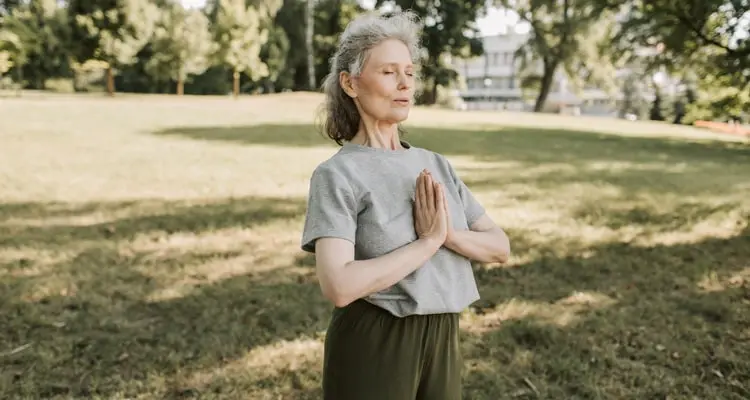 Agoraphobia, a complex anxiety disorder, can greatly impact the lives of those who experience it, particularly seniors. It is characterized by an intense fear of situations or environments where escape may be difficult or embarrassing, giving rise to feelings of helplessness and panic. Seniors facing agoraphobia may find themselves confined to their homes, missing out on social activities, and experiencing a diminished quality of life. However, there is hope. Relaxation techniques provide a powerful toolset for managing agoraphobia symptoms and regaining control. By integrating these techniques into their daily routine, seniors can alleviate anxiety, reduce panic, and gradually expand their comfort zone. This article explores a range of effective relaxation techniques tailored specifically for agoraphobia, empowering seniors to overcome their fears and embrace a more fulfilling life.
What Does Agoraphobia Feel Like?
Agoraphobia is a complex anxiety disorder that stems from various causes and triggers. It can develop due to a traumatic event, genetic factors, or a learned response to panic attacks. Common triggers include crowded places, open spaces, public transportation, and being outside the comfort of one’s home. The symptoms and signs of agoraphobia can manifest in various ways, such as intense fear, rapid heartbeat, shortness of breath, dizziness, and avoidance behavior. These symptoms can significantly impact the daily lives of seniors, leading to social isolation, limited mobility, and a loss of independence. Seniors may experience heightened anxiety when attempting to leave their homes, leading to missed social engagements, difficulty running errands, and feeling trapped. Understanding agoraphobia and its effects on seniors is crucial in developing effective strategies and relaxation techniques to help them regain their freedom and confidence.
Understanding Agoraphobia: A Deeper Look
The Origin of the Term
Agoraphobia is an anxiety disorder where people have a strong fear of places or situations where they might feel trapped, embarrassed, or unable to escape, which can often lead to panic. While its name comes from the Greek words for “fear of the marketplace,” the condition is much more complex than a simple fear of open spaces. For many, it’s the fear of having a panic attack in a place where help isn’t readily available or leaving would be difficult. This could mean feeling intense anxiety in a crowded grocery store, on a bus, or even just waiting in a long line. Understanding the root of this fear is the first step toward managing the overwhelming feelings associated with agoraphobia in older adults.
How Common is Agoraphobia?
While it might feel isolating, agoraphobia is more common than you might think. Research shows that about three out of every 100 people experience panic disorders, and of those, one or two also develop some form of agoraphobia. For seniors, this condition can be particularly challenging, making them stay home, miss important social events, and feel a loss of independence. The anxiety of simply trying to leave the house can be immense, creating a cycle of avoidance and fear. The good news is that you don’t have to face it alone. Professional support, such as the individual teletherapy offered by Blue Moon Senior Counseling, can provide effective strategies to regain confidence. This type of counseling is often a Medicare Part B covered service, making it accessible for many seniors.
How Can Relaxation Techniques Help with Agoraphobia?
Relaxation techniques are vital in treating agoraphobia, offering a holistic approach to managing and overcoming this anxiety disorder. These techniques provide individuals with powerful tools to calm their minds, reduce anxiety, and regain control over their lives. The benefits of relaxation techniques are numerous. They can help decrease the frequency and intensity of panic attacks, promote relaxation and well-being, improve sleep quality, and enhance overall mental and emotional resilience. By practicing relaxation techniques regularly, individuals with agoraphobia can learn to manage their anxiety levels, develop coping mechanisms, and gradually confront their fears. These techniques provide a sense of empowerment and enable individuals to face previously overwhelming situations with increased confidence and composure. Whether deep breathing exercises, progressive muscle relaxation, mindfulness meditation, or guided imagery, incorporating relaxation techniques into agoraphobia treatment can be transformative, facilitating a path toward recovery and a more fulfilling life.
A Holistic Approach to Managing Agoraphobia
Finding relief from agoraphobia isn’t about discovering a single magic bullet. Instead, it’s about building a comprehensive toolkit of strategies that work together to help you feel more in control. A holistic approach combines professional guidance, supportive lifestyle adjustments, and, in some cases, medication to create a well-rounded plan for recovery. This method addresses both the psychological and physical aspects of anxiety, giving you multiple avenues for healing. By exploring different techniques, you can find the right combination that helps you manage symptoms, challenge fearful thoughts, and gradually reclaim the spaces and activities you’ve been missing. This journey requires patience and support, but taking these combined steps can make a significant difference in managing agoraphobia in older adults and improving your overall quality of life.
Professional Therapy Options
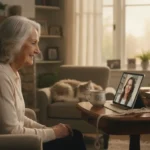
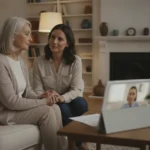
Working with a qualified therapist is one of the most effective ways to address agoraphobia. A professional can provide a safe, supportive space to explore your fears and develop personalized coping strategies. At Blue Moon Senior Counseling, we offer individual teletherapy, allowing you to connect with a therapist from the comfort of your home via phone or video. This approach removes the barrier of travel, which can be a major source of stress for someone with agoraphobia. Our senior counseling services are a Medicare Part B covered service, making professional support accessible. Two of the most common and successful therapeutic approaches for agoraphobia are Cognitive Therapy and Behavioral Therapy, which are often used together.
Cognitive Therapy
Cognitive Therapy focuses on the connection between your thoughts and feelings. It helps you identify and challenge the anxious thought patterns that fuel agoraphobia. For example, if the thought of going to a crowded store makes you panic, a therapist can help you reframe that thought. Instead of thinking, “I can’t handle this,” you learn to tell yourself, “I am feeling nervous, but I know this feeling will pass.” According to UMass Memorial Health, this process teaches you to transform anxious thoughts into more balanced and positive ones, reducing the power they have over you.
Behavioral Therapy
Behavioral Therapy is all about action. This approach helps you gradually and safely confront the situations you fear through a process called exposure therapy. You won’t be asked to jump into the deep end right away. Instead, you’ll start small, perhaps by simply imagining a feared place. From there, you and your therapist will create a step-by-step plan to face these situations in real life, building your confidence along the way. This slow, controlled exposure helps desensitize your fear response over time, teaching your brain that these situations are not as dangerous as they feel.
The Role of Medication
For some individuals, medication can be a valuable part of a comprehensive treatment plan for agoraphobia. Certain medications, such as antidepressants or anti-anxiety drugs, can help reduce the intensity of panic symptoms and lower your overall level of anxiety. This can make it easier to engage in therapy and practice new coping skills. It’s important to remember that medication is not a cure on its own but a tool to help manage symptoms. A doctor or psychiatrist can help determine if medication is a good option for you and will work with you to find the right type and dosage, ensuring it complements your therapeutic work.
Supportive Lifestyle Changes
The choices you make every day can have a big impact on your mental well-being and ability to manage anxiety. Incorporating healthy habits into your routine can build your resilience to stress. Focus on eating a balanced diet rich in fruits, vegetables, and whole grains, as this can help stabilize your mood and energy levels. Regular physical activity is also key; aiming for at least 30 minutes of gentle exercise, like walking, most days of the week can significantly reduce anxiety. These lifestyle adjustments work hand-in-hand with therapy to create a strong foundation for your recovery and help you in the development of coping skills.
Setting Expectations for Treatment
Recovering from agoraphobia is a journey, not a race. It’s important to set realistic expectations and be kind to yourself throughout the process. Treatment can absolutely help you manage your symptoms and overcome your fears, but it takes time and consistent effort. There will likely be good days and challenging days, and that’s a normal part of healing. The goal is progress, not perfection. With the right support from a therapist and a commitment to your treatment plan, you can gradually expand your world again, feeling happier and less afraid as you move forward one step at a time.
5 Agoraphobia Relaxation Techniques to Try Today
1. Find Calm with Deep Breathing
Deep breathing exercises are a valuable relaxation technique for seniors with agoraphobia. Encouraging slow, deep breaths can help seniors regulate their breathing during anxiety. One effective technique is diaphragmatic breathing, where seniors breathe deeply into their diaphragm, hold their breath briefly, and then exhale slowly. This technique promotes relaxation, reduces anxiety, and can be practiced anywhere.
The Science Behind Mindful Breathing
Mindful breathing isn’t just about feeling calm; there’s real science behind it. When you feel anxious, your body’s “fight or flight” response kicks in, causing symptoms like a rapid heartbeat and shallow breathing. Taking slow, deep breaths sends a signal to your brain to activate the parasympathetic nervous system, which is your body’s natural relaxation response. This simple action can lower your heart rate and blood pressure, helping to counteract the physical sensations of panic. For seniors with agoraphobia, mastering this technique provides a powerful, portable tool to manage anxiety whenever it arises, giving you a greater sense of control over your body’s reactions. Learning to use these skills effectively can be a key part of managing agoraphobia in older adults.
2. Stay Present with Meditation and Mindfulness
Meditation and mindfulness techniques offer seniors with agoraphobia a way to calm their minds and focus on the present moment. Engaging in practices such as finding moments of quietude and directing attention to the breath, or participating in guided meditation sessions, can assist seniors in reducing anxiety, enhancing self-awareness, and fostering a sense of inner tranquility.
Scientific Support for Mindfulness
The power of mindfulness isn’t just talk; it’s backed by solid scientific research. Studies have consistently shown that these practices are effective for managing anxiety. A key study from the University of Massachusetts Medical School, for example, revealed that mindfulness meditation significantly helped people with panic disorder, general anxiety, and agoraphobia feel less anxious. For seniors, this offers a tangible way to ground yourself when feelings of panic start to build. By concentrating on your breath and simply noticing your thoughts without getting caught up in them, you can cultivate a sense of calm and lessen the intense fear that comes with agoraphobia. It’s a skill that builds mental resilience, giving you a reliable tool to turn to in moments of distress.
3. Release Tension with Progressive Muscle Relaxation (PMR)
PMR is a technique that involves consciously tensing and then releasing different muscle groups, promoting relaxation throughout the body. Seniors can start from their toes and gradually work up, tensing and relaxing each muscle group. PMR helps seniors become aware of muscle tension and learn to release it, leading to physical and mental relaxation.
4. Visualize a Peaceful Place with Guided Imagery
Guided imagery employs the power of visualization to create a serene mental experience, facilitating relaxation. Seniors can listen to guided imagery recordings or use their imagination to envision peaceful and comforting scenes. This technique helps seniors create a safe mental space, reducing anxiety and promoting relaxation.
5. Ease Anxiety with Gentle Movement
Engaging in gentle exercises, such as tai chi or yoga modified for seniors, can promote relaxation and reduce anxiety associated with agoraphobia. These activities focus on slow and controlled movements, breathing techniques, and gentle stretching, which can help seniors release tension, improve flexibility, and cultivate a sense of calmness.
Helpful Yoga Poses for Anxiety
Diving deeper into gentle movement, specific yoga poses can be particularly effective for easing the physical symptoms of anxiety. You don’t need to be a yoga expert to benefit from these simple, calming postures. Restorative poses, like lying on your back with your legs up a wall, help calm the nervous system with minimal effort. Gentle forward bends, whether seated or standing, can release tension in your back and shoulders, which often tighten up during moments of stress. Even simple inversions, like a gentle downward-facing dog, can help redirect your focus and expend nervous energy. The goal isn’t to perfect the pose but to connect with your body and breath, creating a sense of stability and peace from within. These practices can be a wonderful complement to professional therapy for anxiety disorders.
6. Learn Control with Biofeedback
Biofeedback is a technique that helps you learn to control bodily functions that are normally involuntary, like your heart rate and muscle tension. Using sensors connected to a special device or app, you can see real-time feedback on what’s happening inside your body. For example, you might see your heart rate spike when you think about a stressful situation. By watching this feedback while practicing relaxation exercises like deep breathing, you can learn how to consciously lower your heart rate or relax tense muscles. This process empowers you to manage the physical symptoms of panic and anxiety, giving you a tangible way to influence your body’s stress response. It’s a powerful method for the development of coping skills that put you back in control.
How Counseling Can Support Your Journey
At Blue Moon Senior Counseling, we understand seniors’ unique challenges when dealing with agoraphobia. Our dedicated team of experienced counselors specializes in providing compassionate support and guidance to seniors seeking help for their anxiety disorder. We offer a safe and understanding environment where seniors can express their fears, receive validation, and learn effective strategies to manage agoraphobia symptoms. Our counselors utilize evidence-based approaches, such as cognitive-behavioral therapy (CBT) and relaxation techniques, tailored specifically for seniors. We collaborate closely with each individual to create customized treatment plans that cater to their specific needs and aspirations. With a focus on promoting emotional well-being, independence, and a higher quality of life, Blue Moon Senior Counseling is committed to empowering seniors with agoraphobia to overcome their fears, regain confidence, and embrace a more fulfilling life. If you or a senior loved one is struggling with agoraphobia, don’t let it limit your life any longer. Take the first step towards freedom and peace by contacting us today.
Frequently Asked Questions
How long will it take for these relaxation techniques to work? The key is consistency. While you might feel some immediate relief from a deep breathing exercise in a stressful moment, the real, lasting benefits come from regular practice. Think of it like building any other skill. The more you practice these techniques when you’re calm, the more effective and automatic they’ll become when you actually need them. Progress isn’t always a straight line, so be patient with yourself as you build your toolkit over time.
I’m nervous about leaving my home. Do I have to go to an office for therapy? Not at all, and that’s a very common concern. We specifically offer individual teletherapy so you can receive support right from the comfort and safety of your own home. You can connect with one of our therapists by phone or video, whichever you prefer. This removes the stress of travel and allows you to focus completely on your session and your healing.
There are so many techniques listed. Which one should I start with? It can feel a bit overwhelming to see a long list of options. A simple and powerful place to begin is with deep diaphragmatic breathing. It’s easy to learn, you can do it anywhere without anyone noticing, and it directly counteracts your body’s panic response. Try practicing it for a few minutes each day when you’re feeling relatively calm. Once you’re comfortable with that, you can explore others to see what resonates most with you.
What’s the real difference between cognitive and behavioral therapy? Think of it this way: cognitive therapy helps you change your thoughts, while behavioral therapy helps you change your actions. With cognitive therapy, you’ll work with a therapist to identify and challenge the fearful thought patterns that trigger your anxiety. Behavioral therapy, on the other hand, involves gradually and safely facing the situations you fear. They are often used together because changing your thoughts can make it easier to change your actions, and vice versa.
Is therapy for agoraphobia covered by insurance? Yes, for many people it is. The individual teletherapy services we provide at Blue Moon Senior Counseling are a Medicare Part B covered service. This helps make professional support much more accessible for seniors who are seeking help for agoraphobia and other anxiety disorders. We can help you understand your coverage when you get in touch with us.
Key Takeaways
- Combine strategies for lasting relief: The most effective way to manage agoraphobia is by using a mix of approaches, including professional therapy, supportive lifestyle changes, and practical relaxation exercises.
- Use your breath to control anxiety: You can directly influence your body’s panic response through science-backed techniques like deep breathing, which activates your natural relaxation system to calm physical symptoms.
- Get professional help without leaving home: You don’t have to face agoraphobia alone; individual teletherapy offers expert guidance from the comfort of your home and is often a Medicare Part B covered service, making support accessible.