

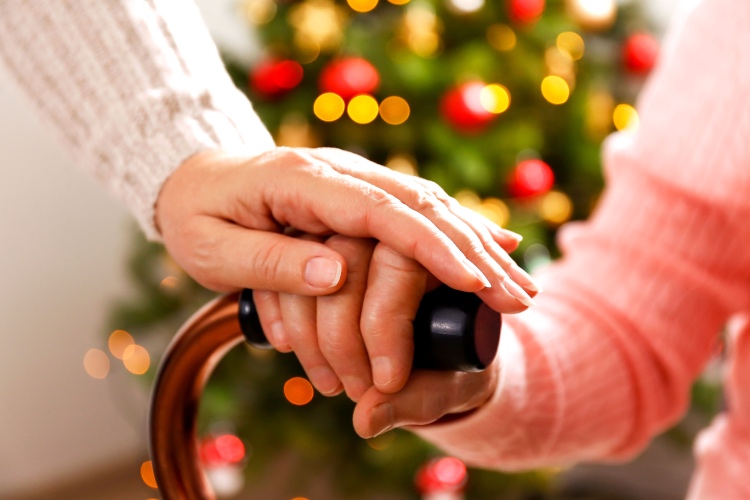
The holiday season is portrayed as a time filled with joy, celebration, and togetherness, but the reality can feel very different for many seniors. Instead of excitement, the season can bring a mix of emotions that feel more intense than usual. Changes in routine, memories tied to the past, and the fast pace of holiday expectations can all contribute to heightened anxiety.
This time of year does not have to feel overwhelming. With the right support and understanding of what contributes to holiday anxiety, seniors can reclaim a sense of comfort and connection during the season.
Table of Contents
- Why the Holidays Can Feel Emotionally Heavy for Seniors
- The Role of Family Dynamics and Expectations
- Changes in Routine and Daily Life
- How Physical Health Can Influence Holiday Anxiety
- Ways Seniors Can Feel More Supported During the Season
- Moving Toward Relief With Blue Moon Senior Counseling
- Frequently Asked Questions
Why the Holidays Can Feel Emotionally Heavy for Seniors
The holidays bring a unique emotional landscape. Even when celebrations are meant to be joyful, the season tends to highlight everything that has changed over time. Seniors often navigate shifts in family relationships, lifestyle, health, and independence. All of these pieces shape how the holidays feel. And according to the National Institute on Aging, loneliness and social isolation can significantly increase stress for older adults, especially during seasons that highlight family and connection.
A Season Connected to Memories
For many older adults, the holidays are tied to decades of traditions. These memories can be warm and comforting, but they can also bring up feelings of loss or longing when the present looks very different from the past.
This may show up as:
- Missing loved ones who are no longer here
- Feeling disconnected from traditions that used to feel familiar
- A sense of nostalgia that brings both comfort and sadness
The emotional weight of memory is not always negative, but it can heighten anxiety when the season does not match what someone remembers or hopes for.
The Pace of the Holiday Season
Even for seniors who enjoy the holidays, the season moves quickly. There are gatherings, travel plans, family visits, errands, and social expectations that can create pressure. This busy pace may feel intimidating for someone who prefers calm and predictability. These moments can build into stress that feels difficult to navigate without support.
The Feeling of Not Wanting to Burden Anyone
Many seniors share a quiet worry about being a burden to family or friends. During the holidays, this concern can grow stronger. Even when loved ones are supportive, older adults sometimes hesitate to share that they feel anxious, overwhelmed, or lonely. The desire to stay positive for others can unintentionally increase emotional strain.
This internal pressure can make the holiday season feel heavy, even when it looks cheerful on the surface.
The Role of Family Dynamics and Expectations
Family relationships shift over time. Adult children have their own families, schedules, and traditions. Loved ones may live far away. Expectations about how the holidays should look can be different for each generation. All of this shapes a senior’s emotional experience.
Changes in Family Traditions
Traditions that once involved cooking large meals, hosting gatherings, or participating in family events may no longer be as accessible. Physical limitations, transportation needs, and energy levels can influence how a senior takes part in holiday activities.
When someone cannot participate in traditions the way they used to, it may lead to:
- Feeling left out
- Worrying about slowing others down
- Uncertainty about how to stay involved
These emotional reactions are normal, but they can contribute to holiday anxiety if not acknowledged.
Expectations Around Family Time
There is often a belief that family should spend extra time together in December. While this is ideal in many ways, the reality is that schedules can be complicated. Work, children’s activities, and travel plans can make visits shorter or more difficult to coordinate.
For seniors, shorter visits or fewer gatherings can lead to feelings of disappointment or isolation, even when no one intends to cause harm. This shift can be especially noticeable for individuals who deeply value family connection during the holiday season.
Social Pressures and Emotional Fatigue
It is common for seniors to feel pressure to appear cheerful during family events, even when they are dealing with stress or emotional discomfort. This pressure can create emotional fatigue, especially when social interactions require more effort than they once did.
Not every senior feels anxious because of family dynamics, but for many, the changes in expectations and interactions play a role in why holiday emotions feel more intense.
Changes in Routine and Daily Life
Routine plays an essential role in emotional stability. Many seniors rely on familiar schedules, daily habits, and predictable environments to feel grounded. The holiday season often interrupts these routines.
Disruptions to Daily Structure
Regular meal times may shift. Bedtime might be later than usual. The presence of guests or travel can change the flow of the day. For someone who depends on consistency, these disruptions may create a sense of unease.
Even small changes in routine can influence:
- Sleep patterns
- Energy levels
- Appetite and eating habits
- Sense of control or independence
Each of these pieces can make existing anxiety feel more pronounced.
Environmental Overstimulation
The holidays bring brighter lights, louder environments, crowded stores, and fast-moving social spaces. For seniors who are sensitive to overstimulation, these factors may increase stress.
Common triggers include:
- Loud conversations at gatherings
- Crowded events
- Decorations or lighting that feel overwhelming
- A fast pace that reduces opportunities for rest
This kind of sensory overload can make the season feel exhausting rather than enjoyable.
Travel and Mobility Considerations
If travel is part of the holiday season, seniors may face additional stress related to transportation, mobility, and logistics. Concern about navigating unfamiliar environments or long distances can create anxiety long before the travel day arrives.
Travel is not always a direct source of difficulty, but for many older adults, it contributes to a feeling of uncertainty during the holidays.
How Physical Health Can Influence Holiday Anxiety
Emotional and physical health are closely connected. During the holiday season, changes in wellness, chronic conditions, and daily comfort can all influence how anxiety shows up.
Seasonal Weather and Physical Sensations
Cold weather can affect joint pain, mobility, and overall comfort. Research also shows that shorter daylight hours also influence mood and energy. When someone already feels a little more physically limited, the added demands of the holidays may increase anxiety.
Changes in Eating and Activity Patterns
Holiday meals tend to be richer and more varied than everyday foods. Eating patterns may shift, and physical activity may decrease during the colder months. These changes can influence sleep, digestion, and overall energy, which all play a role in emotional well-being.
Medication Schedules and Health Management
Some seniors follow medication routines that depend on specific timing or consistency. With holiday travel, events, or changing schedules, it can feel harder to maintain these habits. The worry about staying on track can also contribute to a sense of stress.
Recognizing the Emotional Effects of Health Changes
Physical changes can create emotional reactions at any time of year, but the holidays often highlight them. Seniors may compare what they can do now with what they once could do, which may lead to worry, frustration, or sadness. These feelings are normal but can build into increased holiday anxiety when they are not supported.
Ways Seniors Can Feel More Supported During the Season
Support plays a meaningful role in navigating holiday anxiety. With intentional care and thoughtful planning, seniors can experience a sense of grounding and connection during the season. This section offers practical ideas in a mix of styles to support readability and engagement.
Managing Expectations
It is helpful to let holiday expectations be flexible rather than fixed. When plans adapt to a senior’s comfort and needs, the season feels less rushed and more meaningful. A simple conversation with loved ones about energy levels, mobility, or emotional needs can set the stage for a calmer holiday experience.
Creating Smaller, More Manageable Traditions
Large gatherings are not always necessary to feel connected. Smaller moments can be just as meaningful. Some seniors prefer activities that are peaceful, familiar, and easy to enjoy without added pressure.
Examples include:
- Watching a favorite holiday movie
- Making a simple recipe that brings back warm memories
- Enjoying quiet time with a loved one
- Participating in traditions that do not require travel or physical strain
These kinds of moments help bring a sense of presence without the weight of expectations.
The Value of Social Connection
Staying connected can reduce feelings of isolation. Seniors who feel supported by friends, family, or community groups often feel more grounded during the season. Social connection does not have to be large or elaborate. Even brief interactions can create comfort.
Setting Routines That Reduce Stress
Reintroducing routine where possible can help bring calm to an otherwise busy season. Seniors may benefit from keeping familiar morning or bedtime habits, even when schedules change. These small anchors can create a sense of stability that reduces anxiety.
Talking With a Professional
For seniors who experience ongoing or heightened anxiety during the holidays, talking with a licensed counselor can provide clarity, relief, and emotional support. Counseling offers a safe place to explore feelings, build coping skills, and understand how seasonal pressures affect emotional well-being.
Moving Toward Relief With Blue Moon Senior Counseling
The holiday season can bring a mix of joy, change, and emotional weight for seniors. Feeling anxious during this time of year is more common than many people realize, and it does not mean someone is doing anything wrong. It simply means the season carries deeper layers that deserve understanding and care.
At Blue Moon Senior Counseling, we provide support that helps seniors navigate these emotional challenges with comfort and confidence. If holiday anxiety feels overwhelming or if you want guidance that supports your emotional well-being throughout the year, our licensed therapists are here to help. Reaching out for support can bring relief, clarity, and a renewed sense of stability during this season and beyond.
Contact us today to learn more about how Blue Moon Senior Counseling can support you.
Frequently Asked Questions
1. Why do the holidays affect anxiety levels in seniors?
The holidays often bring changes in routine, family dynamics, social expectations, and emotional memories. These combined factors can make existing anxiety feel stronger.
2. Is it normal for seniors to feel overwhelmed during holiday gatherings?
Yes. Many seniors find large gatherings or busy environments tiring or stressful. This reaction is common and does not reflect a lack of interest in participating.
3. Can loneliness make holiday anxiety worse?
Loneliness can increase feelings of stress, sadness, or worry during the holiday season. Many seniors benefit from extra emotional support during this time.
4. What helps seniors reduce holiday-related anxiety?
Maintaining familiar routines, setting realistic expectations, connecting with loved ones, and talking with a counselor can all support emotional well-being.
5. How can counseling support seniors during the holidays?
Counseling provides a safe place to discuss emotional concerns, explore coping strategies, and receive support tailored to individual needs during a season that can feel emotionally complex.