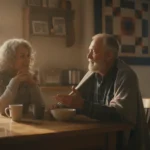

Retirement can change our social circles, and it’s easy to feel a bit disconnected at times. Maintaining strong social ties is essential for our mental and emotional health, helping to combat feelings of loneliness and isolation. This is where shared activities can make a world of difference. Engaging in hobbies for seniors provides a natural way to meet new people, build friendships, and feel like part of a community. Whether you join a local club, take a class, or volunteer, hobbies create a bridge to connection. Here, we’ll explore activities that are not only fun but also help you build meaningful relationships.
 Retirement marks the culmination of a lifelong journey of hard work and dedication. For seniors, it’s a time to step away from the daily grind and embrace newfound freedom. However, this transition can often leave individuals searching for meaning and fulfillment. In this comprehensive guide, we, at Blue Moon Senior Counseling, are dedicated to helping you unlock the secret to a happy and purposeful retirement—hobbies.
What We’ll Cover
- Benefits of Pursuing Hobbies in Senior Years
- Popular Hobbies for Seniors
- Frequently Asked Questions (FAQs)
- Embrace the Joy of Hobbies in Your Golden Years
Why Hobbies Are Essential for a Happy Retirement
The decision to explore hobbies during your senior years is not merely a leisurely pursuit; it’s a life-enhancing choice. Studies show that older adults with an active lifestyle are less likely to develop diseases, have a longer lifespan, are happier, better prepared to cope, and may improve their thinking abilities. Let’s delve deeper into the manifold benefits that accompany this decision: Mental Stimulation: Engaging in hobbies keeps your cognitive faculties sharp and active. The mental challenges posed by hobbies act as a protective shield against conditions like dementia and Alzheimer’s disease. Emotional Well-being: Hobbies provide an emotional outlet, effectively reducing stress and anxiety. They stimulate the release of endorphins and dopamine, fostering an overall sense of well-being and happiness. Social Connection: Many hobbies involve group activities, clubs, or workshops, which create opportunities for social interaction and the formation of meaningful friendships. This social engagement is a powerful antidote to loneliness. Physical Health: Some hobbies, such as gardening, yoga, or even regular walks, encourage physical activity. Engaging in these pursuits can help you maintain strength, flexibility, and a general sense of vitality. Sense of Purpose: In retirement, where the structured routine of work may be absent, hobbies offer a renewed sense of purpose. The achievements and milestones within your chosen hobby provide a tangible sense of accomplishment. Researchers even found that you can reduce loneliness when you participate in meaningful activities and challenging experiences, Exploration and Learning: Hobbies open doors to unexplored territories, both figuratively and literally. They encourage continuous learning, allowing you to acquire new skills, knowledge, and perspectives.
Solving “Retirement Boredom” and Finding Purpose
After decades of a structured work life, the open schedule of retirement can feel both liberating and a little daunting. It’s common to experience a sense of “retirement boredom” when the daily routine you’ve known for so long disappears. Hobbies are a fantastic way to fill this new space with meaning and joy. They give you purpose, structure for your days, and chances to keep learning and growing. Creating a new routine around activities you love can restore a sense of accomplishment and identity. If you find this life change challenging, remember that support is available. Working with a therapist can help you manage the transition, a service that Blue Moon Senior Counseling provides through individual teletherapy to help with adjustment disorders.
The Health Benefits of Staying Engaged
Pursuing hobbies is more than just a way to pass the time; it’s a powerful investment in your overall health. Staying active helps you become better prepared to cope with life’s challenges, and research shows that engaged older adults are less likely to develop certain diseases, tend to live longer, and are happier. Engaging in activities you enjoy can have a ripple effect, positively impacting your mental, emotional, and physical well-being. This proactive approach to health helps build resilience and provides you with the tools for the development of coping skills, ensuring you can handle whatever comes your way with greater confidence and peace of mind.
Cognitive Health and Disease Prevention
Keeping your mind active is just as important as keeping your body active. Hobbies that challenge you intellectually can be a fun and effective way to support brain health. Engaging in these activities keeps your cognitive faculties sharp and active, which may act as a protective shield against conditions like dementia. Whether it’s learning a new language, mastering a musical instrument, playing strategy games like chess, or taking up a creative writing class, these mental workouts help build new neural pathways. This continuous learning process not only keeps your mind agile but also adds a rich layer of personal growth and achievement to your retirement years.
Physical Health and Safety
Many hobbies naturally encourage physical movement, which is essential for maintaining health and independence as you age. Activities like gardening, taking a dance class, swimming, or even joining a walking group can make exercise feel less like a chore and more like a fun part of your day. Engaging in these pursuits can help you maintain strength, flexibility, and a general sense of vitality. Regular physical activity improves balance, reduces the risk of falls, and can ease symptoms of chronic conditions. This commitment to staying active is a cornerstone of both physical wellness and effective coping with illness, contributing to a higher quality of life.
7 Fulfilling Hobbies for Seniors to Try
According to a study published in Nature Medicine, hobbies involve “imagination, novelty, creativity, sensory activation, self-expression, relaxation, and cognitive stimulation, all of which are positively related to mental health and wellbeing via psychological, biological, social and behavioral pathways.” We will delve into some of the most popular hobbies that offer these multifaceted benefits to seniors:
Learning a New Language
Have you ever dreamed of ordering a croissant in Paris or chatting with locals in Rome? It’s never too late to start. Learning a new language is a fantastic way to challenge your mind and open up a new world of culture, travel, and connection. Studies suggest that this mental exercise can significantly improve how your brain works and might even help delay the onset of cognitive decline. With countless apps, online courses, and local community classes available, you can learn at your own pace from the comfort of your home. It’s a rewarding journey that builds new neural pathways and a wonderful sense of accomplishment with every new word you learn.
Genealogy and Family History
Uncovering your family’s story can be one of the most fascinating adventures you’ll ever take. Think of yourself as a family history detective, piecing together clues from online records, old photographs, and family documents to reveal the rich tapestry of your heritage. This hobby connects you to your roots, providing a profound sense of identity and belonging. It’s also a wonderful way to bond with relatives as you share stories and discoveries. Exploring your ancestry can be an emotional and fulfilling process, helping you understand where you come from and preserving that legacy for future generations to cherish.
Puzzles and Strategy Games
Keeping your mind sharp can be both fun and incredibly beneficial. Engaging in activities like crossword puzzles, Sudoku, board games, or even a classic jigsaw puzzle is more than just a way to pass the time. These games are powerful tools that can sharpen your thinking by improving memory, critical thinking, and problem-solving skills. Whether you enjoy a quiet solo challenge or a lively game night with friends and family, puzzles and strategy games provide excellent mental stimulation. They offer a satisfying sense of achievement when you finally find that missing piece or solve a tricky clue, contributing to overall mental wellness and resilience.
Outdoor and Nature Activities
There’s something uniquely restorative about spending time in the great outdoors. Engaging in nature-based hobbies like gardening, bird watching, hiking, or nature photography can do wonders for both your physical and mental health. The simple act of tending to a garden can reduce stress and provide a tangible sense of purpose as you watch your plants grow. A gentle walk on a nature trail offers light exercise while allowing you to soak in the calming sights and sounds of the environment. These activities encourage you to stay active, breathe fresh air, and connect with the world around you, which is a powerful combination for fostering a positive outlook and a healthy body.
Gardening: Connect with Nature
Gardening is a timeless hobby that connects you with the natural world. Whether you have a sprawling garden or a small balcony, nurturing plants and watching them flourish can be incredibly satisfying. This hobby not only provides an aesthetic reward but also offers light physical exercise and an excuse to spend time outdoors in the fresh air. By incorporating some physical activity you can also lower your risk for chronic illnesses.
Creative and Crafting Hobbies
Engaging in creative pursuits like painting, knitting, photography, or writing offers a wonderful way to express yourself and keep your mind active. These hobbies are more than just a way to pass the time; they are a powerful tool for mental stimulation, challenging your brain and helping to keep your cognitive skills sharp. The act of creating something with your own hands provides a profound sense of accomplishment and can be a healthy emotional outlet. Tapping into your creative side can effectively reduce stress and anxiety, fostering a sense of calm and well-being. Whether you join a local crafting group or enjoy your hobby in the quiet of your home, these activities provide a fulfilling way to channel your energy and emotions into something beautiful and tangible.
Painting and Art: Express Your Creative Side
For those with an artistic inclination or even just a curiosity for the arts, painting and other forms of creative expression can be immensely rewarding. Art provides a platform for self-expression, allowing you to create beautiful works and explore the depths of your imagination. It’s never too late to pick up a brush and discover your inner artist.
Woodworking and Pottery
Working with your hands can be incredibly grounding and rewarding. Hobbies like woodworking and pottery offer a wonderful, tactile way to channel your creativity and focus your mind. Woodworking allows you to build functional items or beautiful art pieces, providing a clear sense of accomplishment with each finished project. Similarly, pottery offers a relaxing and stimulating experience, letting you mold clay into unique creations. These hands-on activities are fantastic for maintaining fine motor skills and can be a powerful way to practice mindfulness, helping to quiet the mind and reduce feelings of anxiety by focusing on the task at hand.
Knitting, Quilting, and Macrame
Crafting hobbies like knitting, quilting, and macrame are perfect for anyone looking for a calming and creative outlet. The repetitive, rhythmic motions involved in these crafts can be meditative, promoting relaxation and a sense of peace. Beyond the mental benefits, you get to create beautiful, handmade items for yourself, your home, or your loved ones. These hobbies are also wonderfully flexible; you can enjoy them in the quiet of your own company or join a local group or class. Participating in a crafting circle is a fantastic way to build new friendships and combat feelings of isolation, sharing tips and stories as you work on your projects together.
Photography
Photography is a wonderful hobby that encourages you to see the world from a new perspective. It motivates you to get out and explore your surroundings, whether it’s your own backyard, a local park, or a new travel destination. You don’t need expensive equipment to start; the camera on your smartphone is powerful enough to capture stunning images. Photography is a form of self-expression that allows you to document moments, people, and places that are meaningful to you. It also offers social opportunities, from joining a local photography club to sharing your photos online with friends and family, helping you stay connected with others who share your passion.
Intellectual and Learning Hobbies
Keeping your mind active is just as important as keeping your body active, and intellectual hobbies are a fantastic way to do just that. Engaging in activities that challenge your brain can significantly enhance cognitive function and keep you feeling sharp. Consider learning a new language through an app or a local class, which can open up a whole new world of culture and communication. Another fascinating option is studying genealogy to trace your family history and uncover stories about your ancestors. These pursuits aren’t just about learning; they are about growth and discovery, which are vital at any age.
Joining a book club is another excellent way to stimulate your mind while also building social connections. Discussing characters, plots, and themes with others can deepen your understanding of a story and expose you to different viewpoints. Whether you’re solving puzzles, playing strategy games, or taking an online course, these activities promote lifelong learning and provide a strong sense of purpose. If you’re finding it difficult to get motivated or are struggling with changes that come with this new chapter in life, talking with a professional can help. At Blue Moon Senior Counseling, our therapists specialize in providing individual teletherapy to help you find fulfillment and joy in your retirement years.
Reading: Get Lost in a Good Book
Reading is a lifelong passion that can transport you to different worlds, eras, and cultures without ever leaving your home. Whether you enjoy novels, non-fiction, or even magazines, reading offers a gateway to knowledge and a source of endless escapism. For seniors who may have difficulty with traditional print books due to visual impairments or other challenges, audiobooks or books on tape can be a fantastic alternative. Services like Audible and LibriVox provide a vast selection of audiobooks, ranging from classic literature to contemporary bestsellers. The Library of Congress even has a free braille and talking book service that offers books in an instant download, braille or audio format, or to your door! You can also check with your local library for free ebooks and audiobooks to rent.
Birdwatching and Stargazing
Connecting with the natural world doesn’t require a grand expedition. Birdwatching is a delightful hobby that lets you enjoy spotting colorful birds and listening to their songs right from your backyard or a local park. It’s a peaceful and engaging way to spend time outdoors, offering a gentle invitation to be present in the moment. Similarly, stargazing turns your gaze upward, offering a sense of wonder and perspective. Both hobbies require little more than patience and curiosity, making them accessible to everyone. These quiet activities can be a wonderful form of mindfulness, helping to calm a busy mind and ease feelings of anxiety by focusing your attention on the beauty around you.
Fishing and Hiking
For those who enjoy the tranquility of nature, fishing and hiking are excellent choices. Fishing offers quiet moments by the water, providing a relaxing escape whether you catch anything or not. It’s a perfect way to unwind and simply be. Hiking, on the other hand, is a fantastic low-impact exercise that you can enjoy alone for some quiet reflection or with a group for social connection. Exploring beautiful trails helps maintain physical health and allows you to appreciate natural landscapes. Both hobbies encourage you to get outside and move your body, which is a proven way to improve your mood and develop healthy coping skills for life’s challenges.
Music and Performing Arts
Engaging with music and the performing arts is a powerful way to express yourself and stimulate your mind. Learning an instrument like the piano, guitar, or ukulele can be an incredibly fulfilling journey at any age. It not only provides a creative outlet but also enhances cognitive function and emotional well-being. If you prefer something more social, consider ballroom dancing. It’s a wonderful hobby that helps you stay active, improve coordination, and connect with others in a fun, lively environment. Immersing yourself in a creative pursuit like music or dance can bring a new sense of joy and purpose, which is incredibly beneficial for navigating the emotional shifts that come with aging.
Music: Learn an Instrument or Find Your Rhythm
Learning to play a musical instrument or simply immersing yourself in the joy of music can be a profoundly soulful experience. Music engages your mind and provides countless opportunities for self-expression. Whether you choose to learn the piano, guitar, or simply appreciate classical compositions, music has the power to uplift your spirits.
Dancing
Putting on your dancing shoes is more than just a fun way to spend an evening; it’s a fantastic hobby for both your body and mind. Dancing combines physical movement with music and social interaction, creating a powerful combination that can lift your spirits and help you feel more connected. Whether you prefer the structure of ballroom dancing, the energy of line dancing, or a gentle Zumba Gold class, there’s a style for every fitness level. Learning new steps keeps your mind sharp, while the social environment provides a wonderful opportunity to build friendships and combat feelings of loneliness, making it a truly joyful form of exercise.
Low-Impact Sports and Fitness
Staying active is key to maintaining vitality, and low-impact sports are a great way to do so without putting unnecessary strain on your joints. Activities like swimming, water aerobics, yoga, and tai chi are excellent choices for seniors, as they are known to promote flexibility, balance, and strength—all crucial for mobility and preventing falls. Even a simple daily walk or tending to a garden counts, providing gentle movement that gets your blood flowing. Finding a low-impact activity you enjoy can make fitness feel less like a chore and more like a rewarding part of your daily routine.
The benefits of these activities also extend far beyond the physical. The mindful movements in yoga and tai chi, for example, can be incredibly calming and serve as a form of moving meditation. This mind-body connection is a powerful tool for managing stress and improving your overall emotional well-being. Regular physical activity releases endorphins, which naturally elevate your mood and can help ease symptoms of anxiety and depression. By incorporating gentle fitness into your life, you’re not just caring for your body; you’re nurturing a more positive and resilient mindset.
Fitness and Yoga: Stay Active and Feel Great
Maintaining physical fitness is paramount in your senior years, and hobbies like walking, swimming, or practicing yoga can make this journey enjoyable. These activities not only promote physical well-being but also enhance your mental clarity and overall quality of life. Yoga, in particular, combines physical exercise with mindfulness, offering a holistic approach to health.
Tai Chi and Water Aerobics
If you’re looking for activities that are gentle on the body but still provide a great workout, Tai Chi and water aerobics are fantastic options. Tai Chi, often described as “meditation in motion,” is an ancient Chinese martial art that uses slow, flowing movements and deep breathing. It’s an excellent way to improve your balance, increase flexibility, and reduce stress, all while promoting a sense of inner peace. On the other hand, water aerobics takes the pressure off your joints by letting you exercise in the pool. The water’s buoyancy supports your body, making it easier to move while its resistance helps build strength. It’s a fun, social way to stay active without the high impact of other exercises.
Pickleball and Bowling
For those who enjoy a bit of friendly competition and social interaction, pickleball and bowling are wonderful choices. Pickleball has become incredibly popular, and for good reason. It combines elements of tennis, badminton, and ping-pong into a game that’s easy to learn and much gentler on the joints than tennis. It’s a fantastic way to get your heart rate up and meet new people on the court. Bowling is another classic social activity that offers light physical activity and a great opportunity to connect with friends and family. Whether you join a league or just go for a casual game, it’s a fun and engaging way to spend an afternoon.
Culinary Arts
Exploring the culinary arts is a delightful hobby that engages all your senses and allows for endless creativity. Whether you’re trying a complex new recipe or perfecting a cherished family dish, cooking and baking can be incredibly rewarding. The process of measuring, mixing, and creating something delicious provides a wonderful sense of accomplishment. You can explore cuisines from around the world, experiment with new flavors, or focus on healthy cooking to nourish your body. This hobby not only fills your home with wonderful aromas but also provides a tangible, tasty result that you can be proud of and enjoy.
Beyond the creative outlet, cooking and baking are fantastic for fostering social connections. You could join a local cooking club, take a class to learn a new skill, or simply invite friends and family over to share the meals you create. Sharing food is a universal way to connect with others, and it provides a perfect opportunity to make new memories. Engaging in culinary activities can also support your mental well-being by offering a mindful, structured activity that helps reduce feelings of stress and provides a renewed sense of purpose in your daily routine.
Cooking and Baking: Master New Recipes
Exploring new recipes and culinary techniques can be a delectable hobby. It allows you to savor delicious meals while experimenting with flavors from around the world. Cooking is an art that continually evolves, and your kitchen becomes your canvas. Whether you’re a novice or a seasoned cook, there’s always something new to discover in the world of gastronomy.
Digital and Technology-Based Hobbies
The digital world offers a universe of hobbies that you can enjoy from the comfort of your home. These activities are perfect for staying mentally sharp, connecting with others, and exploring new interests without the need for travel. Technology makes it easier than ever to learn, create, and discover. Engaging with these hobbies can be a wonderful way to keep your mind active, which research suggests is a key factor in protecting against cognitive decline. It’s a modern way to pursue passions and stay engaged with the world around you, offering endless opportunities for growth and enjoyment right at your fingertips.
Taking Online Courses
Lifelong learning is a powerful way to keep your mind engaged and your spirits high. Platforms like Coursera, edX, and local community colleges offer thousands of online courses on nearly any subject imaginable, from history and art to science and technology. Engaging in these mental challenges helps keep your cognitive faculties sharp and active. Whether you want to formally study a new subject or just casually learn a new skill, taking an online course provides structure, purpose, and a great sense of accomplishment. Many of these courses are self-paced, allowing you to learn on your own schedule.
Blogging or Podcasting
Everyone has a story to tell, and technology provides the perfect platform to share it. Starting a blog or a podcast allows you to share your life experiences, wisdom, or passion for a specific topic with a global audience. It’s a creative outlet that can connect you with a community of like-minded individuals. You can write about your travels, share family recipes, or discuss your favorite books. This hobby not only helps you refine your communication skills but also creates a lasting digital legacy for your family and friends to cherish for years to come.
Exploring Virtual Museum Tours
Have you ever wanted to wander the halls of the Louvre or explore the Smithsonian without leaving your home? Now you can. Many of the world’s most famous museums and cultural sites offer stunningly detailed virtual tours. This hobby allows you to experience art, history, and culture from around the globe from the comfort of your favorite chair. It’s an accessible and enriching way to travel the world, learn about different cultures, and see priceless treasures up close. It’s a perfect activity for a quiet afternoon of discovery and inspiration.
Finding the Right Hobby for Your Lifestyle
Choosing the right hobby is a personal journey. What works for one person might not be the right fit for another, and that’s perfectly okay. The key is to find activities that align with your physical abilities, personal interests, and social preferences. If you’re living with limited mobility, there are countless seated activities that are just as fulfilling as more active ones. If you thrive on social interaction, a group activity might be more rewarding than a solo pursuit. Thinking about what truly brings you joy and what you’re comfortable with is the first step toward finding a passion that will enrich your retirement years and support your overall well-being.
Hobbies for Those with Limited Mobility
Limited mobility doesn’t mean you have to give up on having engaging and enjoyable hobbies. Many activities can be adapted or are naturally suited for a more sedentary lifestyle. The focus should be on what you *can* do, not what you can’t. From creative pursuits that exercise the mind to gentle exercises that can be done from a chair, there are plenty of options. These hobbies can help maintain dexterity, provide mental stimulation, and offer a profound sense of accomplishment, proving that passion and purpose can be found no matter your physical circumstances.
Chair Yoga and Seated Exercises
Staying active is important for both physical and mental health, and chair yoga is a fantastic option for those with limited movement. This gentle form of yoga allows you to practice postures and breathing exercises while seated, helping to improve flexibility, circulation, and mindfulness without putting strain on your joints. It’s a safe and effective way to maintain strength and reduce stress. Many local senior centers and online platforms offer guided chair yoga classes, making it an accessible and social activity you can enjoy with others.
Indoor Gardening and Writing
You don’t need a large yard to enjoy the benefits of gardening. Indoor gardening, such as caring for houseplants, growing herbs on a windowsill, or cultivating a bonsai tree, can bring the beauty and tranquility of nature inside. It’s a calming activity that can brighten your living space and give you something to nurture. Similarly, writing is a powerful hobby that requires nothing more than a pen and paper or a computer. You can journal, write poetry, or even start working on your memoirs, providing a wonderful outlet for self-expression and reflection.
Hobbies for Giving Back to the Community
Contributing to your community can provide an incredible sense of purpose and connection, which is especially important during retirement. Volunteering your time and talents not only helps others but also enriches your own life by creating social bonds and offering new challenges. It’s a way to share your lifetime of experience and skills in a meaningful way. Finding a cause you’re passionate about can combat feelings of isolation and give you a reason to get up and get involved each day, leading to greater happiness and life satisfaction.
Mentoring or Teaching
Your wealth of knowledge and life experience is a valuable resource that can guide and inspire younger generations. Mentoring a young person or teaching a skill you’ve mastered—whether it’s woodworking, cooking, or business—is a deeply rewarding way to give back. Organizations like SCORE offer opportunities for retired professionals to mentor small business owners, while local schools and community centers often look for volunteers to tutor or lead workshops. Sharing what you know not only helps others grow but also keeps your own mind sharp and engaged.
Fostering Animals
If you love animals but aren’t ready for the long-term commitment of a pet, fostering can be a wonderful option. Local animal shelters are often in need of temporary homes for animals recovering from surgery or for puppies and kittens too young for adoption. Fostering provides a safe, loving environment for an animal in need and offers you the joy and companionship of a pet without the lifelong responsibility. It’s a rewarding way to give back that can fill your home with love and laughter, even if just for a little while.
Hobbies to Enjoy with Grandchildren
Spending quality time with grandchildren is one of the great joys of being a senior, and sharing a hobby can make that time even more special. Engaging in activities together creates a unique opportunity for bonding and making memories that will last a lifetime. These shared experiences help bridge the generation gap and allow you to pass on skills, stories, and traditions. Whether you’re creating something with your hands or exploring a shared interest, these activities strengthen family connections and bring joy to everyone involved.
Building and Crafting Together
Working on a hands-on project together is a fantastic way to connect with your grandchildren. You could build and paint a birdhouse, assemble a model airplane, or create with LEGOs, letting your imaginations run wild. Crafting activities like painting, knitting, or jewelry-making also offer a chance to teach a new skill while creating something beautiful. The focus isn’t on a perfect final product but on the fun, collaboration, and conversation that happen along the way. These shared creative moments become cherished memories for both you and your grandkids.
Storytelling and Scrapbooking
Preserving family history is a priceless gift to future generations. You can create a scrapbook together, filling it with photos, mementos, and handwritten notes that tell your family’s story. This activity often sparks wonderful conversations as you share the stories behind the pictures. You could also start a storytelling project, recording your life stories or creating fictional tales with your grandchildren as the main characters. These activities not only create a tangible keepsake but also strengthen the bond between generations through the timeless power of story.
Travel: Plan Your Next Adventure
Retirement is the perfect time to embark on travel adventures you may have postponed during your working years. Explore new destinations, experience diverse cultures, and create lasting memories. Whether you prefer leisurely cruises, adventurous road trips, or cultural explorations, the world is your oyster, waiting to be discovered.
Frequently Asked Questions (FAQs)
- Are hobbies necessary in retirement?
Absolutely. Hobbies are not just a pastime but a vital source of mental stimulation, emotional well-being, and social connection. They infuse retirement with joy and purpose.
- Can I start a new hobby in my senior years?
Certainly! It’s never too late to discover a new passion. In fact, many seniors find great joy in exploring hobbies they never had time for before. Age should never be a barrier to pursuing what interests you.
- How do I choose the right hobby for me?
Consider your interests, physical abilities, and available resources. Start with something you’re curious about or passionate about. Trial and error can help you find the perfect fit.
- Do I need special equipment for these hobbies?
The equipment required depends on the hobby. Some hobbies, like reading or yoga, have minimal requirements, while others, like gardening or painting, may need specific tools and materials. Assess your chosen hobby’s needs accordingly.
- Should I pursue multiple hobbies?
While pursuing multiple hobbies is possible, it’s essential not to overwhelm yourself. Begin with one or two hobbies that genuinely resonate with you, and gradually expand your interests as you become more comfortable.
Ready to Find Your New Favorite Hobby?
Retirement is not the end of your journey; it’s the beginning of a new and exciting chapter. Hobbies for seniors offer a pathway to mental and emotional well-being, social connections, and a profound sense of purpose. Blue Moon Senior Counseling encourages you to embrace the joy of hobbies, making your retirement years truly remarkable. Whether you choose to cultivate a garden, paint a masterpiece, or explore distant lands, the possibilities are boundless. Your golden years are an opportunity to explore, learn, and find immense satisfaction in the pursuit of your passions. If you’re looking for guidance, support, or simply someone to talk to about making the most of your retirement through hobbies, please don’t hesitate to reach out to us at Blue Moon Senior Counseling. We’re here to help, and we offer teletherapy services that make it convenient for you to connect with us. Contact us today, or call us at 630-896-7160, and let’s embark on this wonderful journey together. Your golden years deserve to shine brightly, and we’re here to help you make that happen.
Key Takeaways
- Prioritize hobbies for your overall well-being: Regularly engaging in activities you love is a powerful way to support your mental, physical, and emotional health by keeping your mind active and reducing stress.
- Choose activities that align with your interests: The most fulfilling hobbies are those that match your personal passions and physical abilities; explore different options, from creative crafts to online courses, to find what truly brings you joy.
- Connect with others through shared interests: Hobbies offer a fantastic way to build your social circle and prevent isolation, as participating in group activities, classes, or clubs helps you form meaningful friendships.