
*By Melanie Donohue, LCSW*
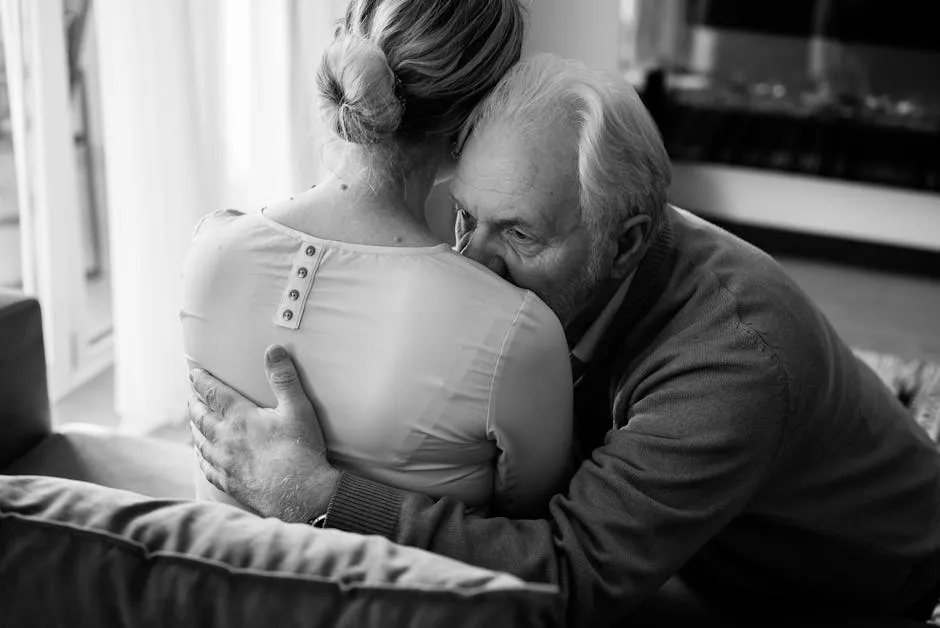
Losing a spouse is one of the most painful experiences anyone can face. When it happens later in life, after decades of building a life together, the loss can feel like the ground has shifted beneath you. Everything from your daily routine to your sense of identity may feel uncertain.
If you have recently lost your spouse or are supporting someone who has, know that what you are feeling is valid. Grief at this stage of life is not something to simply push through. It is a profound emotional experience that deserves recognition, patience, and compassionate support.
This guide explores the unique challenges of spousal loss in later life, how grief may look different for older adults, and practical steps for moving through this difficult time while honoring both your loss and your own well-being.
How Spousal Loss Affects Seniors Differently
Losing a partner at any age is devastating, but later-life spousal loss carries unique challenges that younger grievers may not face.
Losing More Than a Person
When you have been married for 30, 40, or 50 years, your spouse is woven into nearly every aspect of your daily existence. They are your companion at meals, your partner in decision-making, the person who remembers your medication schedule or joins you for evening walks. Losing them means losing not just a loved one but an entire way of life.
Many widowed seniors describe feeling disoriented by the silence that fills their home. Tasks that once were shared, like cooking, paying bills, or managing household repairs, now fall on one person. This sudden shift in daily structure can be as overwhelming as the emotional pain of the loss itself.
Compounded Losses
Spousal loss in later life rarely happens in isolation. Many seniors are simultaneously navigating other significant challenges: declining health, reduced mobility, retirement adjustment, or the recent loss of friends and siblings. When grief layers on top of these existing stressors, it can feel impossible to find solid ground.
This accumulation of loss is sometimes called “bereavement overload,” and it is one of the reasons older adults are particularly vulnerable to prolonged grief and depression after losing a spouse.
Health Consequences of Grief
Research has shown that the period following spousal loss is a time of heightened health risk for older adults. The stress of grief can weaken the immune system, disrupt sleep, increase blood pressure, and worsen existing chronic conditions. Some studies have documented what is sometimes called the “widowhood effect,” where the surviving spouse faces an elevated mortality risk in the months and years following their partner’s death.
This is not meant to frighten you. It is meant to emphasize why taking care of your physical and emotional health during this time is not optional. It is essential.
Understanding What Grief Looks Like in Older Adults
Grief does not follow a predictable script, and it often looks different in seniors than in younger adults.
Emotional Responses
You may experience waves of intense sadness that come without warning, triggered by a song, a photograph, or an empty chair at the table. Other common emotional responses include:
- Deep loneliness, even when surrounded by family or friends
- Anger or frustration, directed at the situation, at medical professionals, or even at your spouse for leaving
- Guilt over things said or unsaid, decisions made during their illness, or simply for continuing to live
- Anxiety about the future, finances, living alone, or your own health
- Relief, particularly if your spouse suffered through a long illness, followed by guilt about feeling relieved
All of these responses are normal. There is no right or wrong way to grieve.

Physical Manifestations
Grief in older adults frequently shows up in the body. You may notice:
- Persistent fatigue that does not improve with rest
- Changes in appetite, either eating much less or turning to food for comfort
- Difficulty sleeping, whether through insomnia or sleeping far more than usual
- Increased aches, pains, or worsening of chronic conditions
- A weakened immune system leading to more frequent illness
If you are experiencing physical symptoms, mention them to your doctor. They need to know about your loss so they can monitor your health appropriately.
When Grief Becomes Something More
While grief is a natural response to loss, it can sometimes develop into clinical depression or what mental health professionals call prolonged grief disorder. Warning signs that your grief may benefit from professional attention include:
- Persistent inability to accept the death months after the loss
- Feeling that life has no meaning or purpose without your spouse
- Intense longing that does not ease over time
- Difficulty engaging in daily activities or self-care
- Social withdrawal that becomes more severe rather than improving
- Thoughts of not wanting to go on living
If you or someone you love is experiencing these symptoms, reaching out for professional support is an important step. Understanding when grief becomes depression can help you recognize when additional help is needed.
Practical Steps for Coping Day by Day
Healing from spousal loss is not about “getting over it” or returning to who you were before. It is about learning to carry your loss while gradually rebuilding a life that has meaning.
Allow Yourself to Grieve
Give yourself permission to feel whatever comes up without judgment. Grief is not a problem to solve. It is a process to move through, and it takes as long as it takes. Some days will be harder than others, and that is okay.
Resist the urge to put on a brave face for others. Being honest about your pain with trusted people allows them to support you, and it gives you the relief of not carrying everything alone.
Maintain a Daily Structure
When your world has been turned upside down, having a basic routine provides a sense of stability. This does not need to be elaborate. Simple anchors like eating meals at regular times, taking a walk each day, or calling a friend on a set schedule can give your days shape and purpose.
Structure also helps combat the isolation that many widowed seniors experience. Even small activities that get you out of the house or connected with another person can make a difference.
Take Care of Your Physical Health
Grief takes a toll on the body, making self-care more important than ever. Focus on:
- Eating regularly, even when you do not feel hungry. Simple, nutritious meals are sufficient.
- Moving your body in whatever way feels manageable, whether that is a gentle walk, stretching, or chair exercises.
- Keeping medical appointments and being honest with your doctor about how you are doing emotionally.
- Monitoring medication compliance, especially if your spouse previously helped manage your medications.
Accept Help When It Is Offered
Many seniors, especially those who pride themselves on independence, resist accepting help from others. But this is a time when leaning on your support network is not weakness. It is wisdom.
When someone offers to bring a meal, drive you to an appointment, or simply sit with you for an afternoon, say yes. These small acts of connection can ease the weight of loneliness and remind you that you are not facing this alone.
Be Patient with Yourself
Grief does not follow a timeline. You may feel better for a stretch and then suddenly be overwhelmed by a wave of sadness triggered by a milestone, holiday, or seemingly small reminder. This is normal. Healing is not linear, and setbacks are not failures.
Be gentle with yourself about tasks you cannot manage, decisions you are not ready to make, and emotions you cannot control. You are doing the best you can under extraordinarily difficult circumstances.
Rebuilding Your Identity After Loss
One of the most challenging aspects of losing a long-term spouse is the question of identity. When so much of who you are has been defined by your partnership, losing that partnership can leave you wondering who you are on your own.
Rediscovering Yourself
This is not about replacing your spouse or forgetting your life together. It is about gradually reconnecting with parts of yourself that existed before or alongside the marriage, and discovering new aspects of who you are.
Consider:
- Revisiting interests you may have set aside during your marriage or caregiving years
- Trying something new, whether it is a class, a hobby, or a volunteer opportunity
- Journaling about your thoughts, memories, and hopes. Writing can help you process complex emotions and track your own growth.
- Connecting with others who understand, such as a grief support group for widowed adults
Managing New Responsibilities
If your spouse handled certain household or financial tasks, learning to manage them can feel daunting. Break these down into small steps:
- Ask a trusted family member or friend to help you understand your financial situation
- Set up automatic bill payments where possible
- Make a list of tasks that need attention and tackle them one at a time rather than all at once
- Consider reaching out to your local Area Agency on Aging for resources and assistance
Creating New Routines
Over time, developing new routines that are yours, not just remnants of shared habits, can help you build a life that feels meaningful. This might include regular phone calls with a friend, a weekly outing, attending a faith community, or scheduling time for activities that bring you comfort or joy.
The Role of Professional Support
Seeking professional help after losing a spouse is not a sign that you are not coping. It is a recognition that what you are going through is significant enough to deserve dedicated support.
How Therapy Can Help
A therapist who specializes in working with older adults understands the unique dimensions of later-life grief. They can help you:
- Process complex emotions in a safe, nonjudgmental space
- Develop coping strategies tailored to your situation
- Distinguish between normal grief and symptoms that may need additional treatment
- Work through practical challenges related to your loss
- Begin to envision what your life can look like going forward
Bereavement counseling provides structured support for navigating grief, and many older adults find that having a regular space to talk about their experience makes a meaningful difference in their healing.
Teletherapy Makes It Easier
One of the barriers to seeking help after spousal loss is the practical difficulty of getting to appointments, especially when you are grieving, fatigued, or dealing with health challenges of your own.
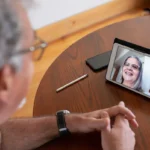
Individual teletherapy removes that barrier. Sessions take place by phone or video from the comfort of your home. You do not need to drive anywhere, arrange transportation, or leave the house when you are not feeling up to it.
Blue Moon Senior Counseling provides individual teletherapy with licensed therapists who specialize in geriatric mental health. Sessions are a Medicare Part B covered service, and no doctor’s order is needed to begin.
When to Reach Out
There is no wrong time to seek support. Whether you are in the immediate aftermath of your loss, struggling months later, or finding that grief has resurfaced around an anniversary or milestone, professional support can help.
If you are unsure whether therapy is right for you, consider that many people start simply because they want someone to talk to who truly understands what they are going through. You do not need to be in crisis to benefit from professional support.
Supporting a Loved One Through Spousal Loss
If someone you care about has recently lost their spouse, your presence and patience matter more than you might realize.
What Helps
- Show up consistently. Grief is isolating. Regular check-ins, even brief ones, remind your loved one they are not forgotten.
- Listen without trying to fix. Sometimes the most helpful thing you can do is simply be present while they talk, cry, or sit in silence.
- Help with practical tasks. Offer specific help rather than saying “Let me know if you need anything.” Say “I am going to the grocery store. Can I pick up a few things for you?” or “I would like to come by Tuesday and help with the mail.”
- Remember their spouse. Sharing memories, saying the deceased person’s name, and acknowledging the loss on difficult days like anniversaries means more than many people realize.
- Be patient with the timeline. Grief does not follow a schedule. Your loved one may seem better and then have a difficult stretch. This is normal.
What to Avoid
- Telling them to “move on” or “stay strong”
- Comparing their loss to someone else’s
- Avoiding the topic because it makes you uncomfortable
- Pressuring them to make major decisions about their home, belongings, or living situation before they are ready
If you are concerned about your loved one’s well-being, gently encouraging them to speak with a professional can be one of the most caring things you do. Our guide on how to talk to your aging parent about starting therapy offers practical advice for approaching this conversation with empathy.
Taking the First Step Toward Healing
Losing your spouse is one of life’s most difficult experiences, and healing takes time. But you do not have to walk this path alone. Whether you are looking for someone to talk to, need help distinguishing grief from depression, or simply want support as you rebuild your daily life, professional guidance can make a real difference.
Blue Moon Senior Counseling offers individual teletherapy for seniors, specializing in grief, loss, and the emotional challenges of aging. Sessions are conducted by phone or video with licensed therapists who understand what you are going through. As a Medicare Part B covered service, most seniors already have the coverage they need.
You can also call us at (630) 896-7160 to speak with someone about how we can help.
Frequently Asked Questions
How long does grief last after losing a spouse?
There is no set timeline for grief. Many people experience the most intense symptoms in the first year, but grief can continue to evolve for years. Anniversaries, holidays, and life changes may trigger renewed waves of sadness. What matters is not how long you grieve but whether you are finding ways to cope and live meaningfully alongside your loss.
Is it normal to feel angry after my spouse dies?
Yes. Anger is a common and healthy part of grief. You may feel angry at the circumstances of the death, at the medical system, at your spouse for leaving, or at the unfairness of the situation. These feelings do not mean something is wrong with you. Talking about anger with a trusted person or therapist can help you process it.
When should I seek professional help for my grief?
Consider reaching out if your grief is not easing over time, if you are having difficulty with daily activities like eating, sleeping, or self-care, or if you are experiencing persistent thoughts of hopelessness or not wanting to go on. You do not need to be in crisis to benefit from therapy. Many people find that talking to a professional helps them navigate grief more effectively.
Does Medicare cover grief counseling?
Yes. Individual therapy, including grief and bereavement counseling, is a Medicare Part B covered service. Blue Moon Senior Counseling accepts traditional Medicare and Medicare Advantage PPO plans. No doctor’s referral is required.
Can therapy really help with grief?
Research consistently shows that therapy can help people process grief, reduce symptoms of depression and anxiety, and develop effective coping strategies. For older adults, working with a therapist who specializes in geriatric mental health is especially beneficial because they understand the unique context of later-life loss.
I live alone and cannot drive. How would I attend therapy?
Blue Moon Senior Counseling offers individual teletherapy sessions by phone or video. You do not need to leave your home, use a computer, or have any special technology. A phone is all you need to connect with a licensed therapist from the comfort of your living room.