

A major move can bring a safer home, needed support, or a fresh start and still leave an older adult feeling lonely. Loneliness after moving in older adults often begins when familiar neighbors, routines, rooms, and places are suddenly gone. The good news is that connection can be rebuilt in small, repeatable steps. This guide explains how seniors and families can make that transition less isolating.
Call Blue Moon Senior Counseling at (630) 896-7160
Why can a major move make an older adult feel lonely?
Loneliness after a move is the painful feeling of being disconnected from familiar people, places, or purpose after a change in living environment. It can happen even when the move was wanted. An older adult may be grieving a former home, learning unfamiliar routines, or waiting for new relationships to feel meaningful.
A move can change several sources of emotional security at once:
- Familiar contact: Neighbors, friends, faith communities, and local businesses may no longer be nearby.
- Daily structure: The timing of meals, errands, hobbies, and conversations may be interrupted.
- Independence: Transportation, mobility limits, or reliance on family can make it harder to leave home.
- Sense of identity: A person may feel less like themselves when their possessions, roles, or responsibilities change.
- Emotional energy: Packing, downsizing, and adapting can leave little energy for meeting people.
Loneliness is different from social isolation. The National Institute on Aging explains that loneliness is an emotional experience, while social isolation refers to having few social contacts. A senior can feel lonely in a busy community, or have limited contact without feeling lonely. Understanding which experience is present helps families choose a useful response.
Moving after a spouse’s death, entering assisted living, relocating closer to family, or downsizing can also bring grief and adjustment stress. These responses are not a personal failure. They are signals that the person may need time, practical support, and opportunities for safe connection.
What are the first steps for coping with loneliness after moving?
The first steps are to name what was lost, restore one predictable routine, and create one low-pressure opportunity for connection. Small actions work better than demanding that a senior immediately make new friends. The goal is steady familiarity, not a sudden social overhaul.
- Name the change: Ask what feels hardest about the move. Listen without correcting or rushing to reassure.
- Choose one anchor routine: Set a dependable time for a morning call, afternoon walk, shared meal, or favorite television program.
- Keep one familiar ritual: Prepare a favorite recipe, display meaningful photographs, or continue a weekly religious or cultural practice.
- Make the new space recognizable: Arrange frequently used objects where they are easy to find and add familiar sounds, scents, or decorations.
- Schedule the next contact before ending one: A specific plan, such as a Sunday video call, is more reassuring than saying, “We will talk soon.”
Family members can help by offering choices rather than taking over. Ask, “Would you prefer a short walk or a phone call today?” This supports autonomy while reducing the effort required to begin.
How can an older adult build connection in a new community?
An older adult can build connection by returning to the same welcoming places at predictable times and starting with brief, practical conversations. Familiarity grows through repetition. A library, community center, faith community, walking route, activity group, or shared dining area can become easier to approach when visits are regular and expectations stay modest.
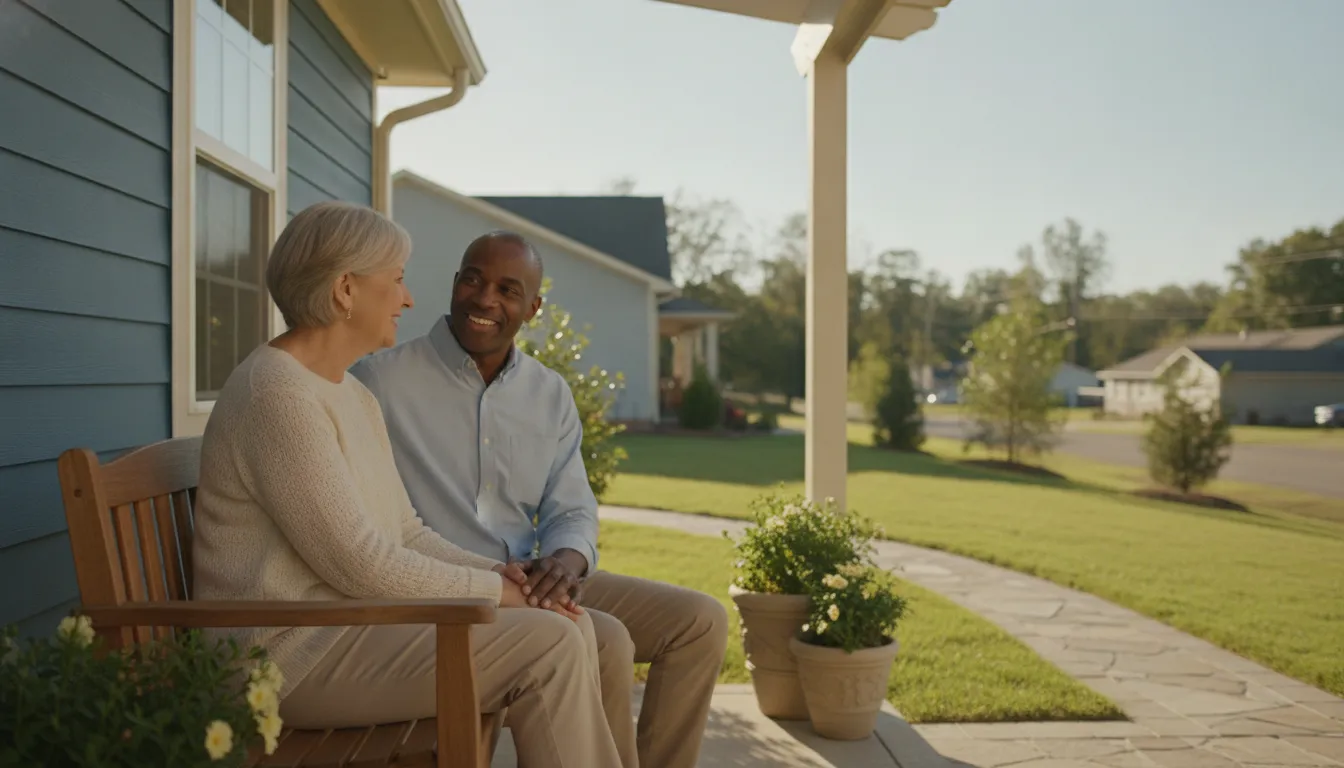
Try one or two of these approaches, adapting them to energy, mobility, hearing, vision, and transportation needs:
- Ask a neighbor about a nearby service, garden, walking path, or local event.
- Attend the same activity for three or four visits before deciding whether it feels comfortable.
- Invite one person for coffee, a short porch visit, or a shared meal rather than planning a large gathering.
- Join a familiar-interest group, such as music, books, crafts, gardening, exercise, or faith-based activities.
- Ask family members to introduce the senior to one nearby person at a time.
- Use phone or video calls to preserve important relationships while new local connections develop.
The National Institute on Aging recommends looking for meaningful ways to stay connected, including reaching out to friends and family, participating in community activities, and addressing barriers that make connection difficult. A senior does not always need a large social circle. One dependable relationship can be a meaningful beginning.
Which barriers can make moving-related loneliness worse?
Moving-related loneliness can persist when practical barriers prevent an older adult from acting on a desire for connection. A helpful plan addresses the barrier instead of treating withdrawal as unwillingness. Transportation, hearing or vision changes, pain, fatigue, language differences, cost, and fear of falling can all change how safe social activities feel.
| Barrier | Possible first adjustment | When to seek more support |
|---|---|---|
| Transportation | Choose an activity within walking distance, arrange a ride, or use phone and video contact. | When missed appointments or isolation are increasing because travel is not reliable. |
| Hearing or vision changes | Use quieter spaces, captions, better lighting, or an assistive device recommended by a clinician. | When misunderstanding or embarrassment leads the person to avoid people. |
| Low energy or pain | Start with a five-minute visit, a short call, or a seated activity. | When fatigue, pain, sleep changes, or appetite changes are persistent or worsening. |
| Fear of falling or unfamiliar places | Visit with a trusted person first and identify accessible routes and seating. | When fear prevents leaving home or participating in needed care. |
| Financial concerns | Look for free community programs, library events, faith communities, or family-supported activities. | When financial stress is contributing to hopelessness or withdrawal. |
Families should also avoid making every interaction about the move. Talk about ordinary interests, memories, and choices. A senior is more than a relocation project, and preserving dignity is part of rebuilding connection.
Schedule a consultation with Blue Moon Senior Counseling
How can families tell whether loneliness is becoming a mental health concern?
Loneliness deserves closer attention when it is persistent, intensifying, or interfering with daily life. Signs may include withdrawing from previously valued activities, ongoing sadness or anxiety, irritability, disrupted sleep, appetite or weight changes, low motivation, difficulty concentrating, or repeated statements that life no longer feels worthwhile.
These signs do not prove that a person has a specific mental health condition. They do suggest that a family member should listen carefully and consider a conversation with a primary care professional or licensed mental health clinician. The National Academies report that social isolation and loneliness can affect health and quality of life in older adults, which is why early attention matters.
Ask open questions such as:
- What part of the new place feels most difficult right now?
- When during the day do you feel most alone?
- What would make one connection this week feel easier?
- Would you like help finding someone to talk with?
If an older adult expresses thoughts of self-harm, cannot stay safe, or is in immediate danger, call 911. In the United States, calling or texting 988 connects people with the Suicide and Crisis Lifeline. For non-urgent concerns, a licensed clinician can help assess what support fits the person’s needs.
When might counseling help after a major move?
Counseling may help when loneliness does not ease with practical connection efforts, when adjustment feels overwhelming, or when grief, anxiety, depression, or health concerns are affecting daily life. Therapy can provide a private place to process the move, identify manageable coping steps, strengthen communication with family, and work through changes in identity and routine.
Blue Moon Senior Counseling provides individual teletherapy for older adults by phone or video. For eligible patients, counseling is a Medicare Part B covered service, though coverage depends on the person’s plan and clinical circumstances. A senior does not have to wait until loneliness becomes a crisis to ask about support.
Blue Moon’s senior isolation and deep loneliness resources offer a related starting point. A move that involves a new care setting may also bring relocation stress, while a move after loss may overlap with grief. Those experiences can be related without being identical, so support should reflect the person’s actual story.
Call Blue Moon Senior Counseling at (630) 896-7160
Frequently Asked Questions
How long does loneliness after moving usually last?
There is no single timeline for loneliness after moving. Some older adults feel more settled within weeks, while others need months of repeated routines and contact. If loneliness is worsening, disrupting daily activities, or accompanied by depression or anxiety symptoms, ask a healthcare or mental health professional for guidance.
What can I do if my older parent refuses social activities after moving?
Start with listening and very small choices instead of insisting on a group activity. Ask what feels uncomfortable, then offer a short visit, phone call, or familiar activity with a trusted person. Persistent withdrawal, sadness, sleep changes, or hopelessness may be reasons to discuss counseling with a professional.
Is loneliness the same as social isolation in older adults?
No. Loneliness is the distressing feeling of lacking meaningful connection, while social isolation is having limited contact or relationships. They can occur together, but not always. A person may feel lonely in a crowded setting or have few contacts without feeling lonely.
Can teletherapy help an older adult who recently moved?
Individual teletherapy can give an older adult a consistent place to discuss the move, grief, anxiety, depression, and changes in routine. Blue Moon Senior Counseling offers individual teletherapy by phone or video for seniors, with access and coverage reviewed during the referral process.
When should a senior seek help for loneliness?
A senior should consider professional support when loneliness is persistent, getting worse, or affecting sleep, appetite, motivation, relationships, or daily responsibilities. Immediate danger or thoughts of self-harm require emergency help by calling 911 or 988 in the United States.