
Divorce later in life can change more than a legal relationship. It may affect a person’s sense of identity, daily routines, friendships, family roles, and expectations for the future. Feeling unsettled does not mean an older adult is destined to develop a mental health condition, but it does mean support may be worthwhile.
Request senior counseling through Blue Moon’s referral form
Mental health after divorce in older adults can involve sadness, anxiety, loneliness, frustration, or uncertainty about what comes next. Helpful support may include rebuilding dependable routines, staying connected with trusted people, and speaking with a counselor when distress persists or interferes with daily life.
Research on older adults distinguishes divorce and separation from bereavement after a spouse’s death, and experiences vary widely. The next step is to notice how this major transition is affecting emotional wellbeing, relationships, and everyday functioning, then consider practical ways to respond.
What Can Mental Health After Divorce in Older Adults Look Like?
Mental health after divorce in older adults can involve several emotional changes at once. A person may feel sadness, worry, anger, relief, loneliness, or uncertainty about what comes next. Divorce can also affect daily routines, finances, living arrangements, family roles, and a sense of identity. These responses do not automatically mean someone has a mental health disorder. They may reflect the strain of adjusting to a major life transition.
Research supports the idea that separation can bring both immediate stress and longer-lasting emotional strain. One study using Norwegian health and population data found that mental health consultations rose around the time of marital separation and remained higher for several years afterward, which suggests that the experience may include both short-term stress and more persistent difficulty. A separate study of U.S. adults age 50 and older examined marital transitions alongside changes in depressive symptoms, including a distinct group for people who divorced or separated. The research on mental health contacts around separation can help explain why support may be useful even when distress does not appear severe at first.
Emotional responses can change over time
There is no single emotional timeline after divorce. Some older adults feel most unsettled during the legal or practical transition. Others notice difficult feelings later, when the household is quieter or familiar responsibilities have changed. A longitudinal analysis compared gray divorce with widowhood. Depressive symptoms rose less and recovered sooner after divorce than after a spouse’s death. That finding describes a pattern across groups, not a prediction for any one person. The study’s comparison of divorce and widowhood also reinforces why individual experiences should not be measured against someone else’s timeline.
Divorce is different from bereavement
Divorce-related adjustment and bereavement after a spouse dies can both involve grief, changed routines, and loneliness, but they are not the same experience. Divorce may include ongoing communication, co-parenting or extended-family decisions, unresolved conflict, and questions about identity or independence. Bereavement follows the death of a loved one and has its own emotional and practical realities. Neither experience should be minimized, and neither should be used as a standard for judging how someone else is coping.
Helpful signs to notice include:
- Persistent sadness, anxiety, anger, or hopelessness.
- Withdrawal from valued people or activities.
- Difficulty sleeping, eating, managing responsibilities, or making decisions.
- Distress that interferes with daily life or does not begin to ease with support.
These signs do not provide a diagnosis. They can signal that a conversation with a qualified mental health professional may be worthwhile. Support should respect the older adult’s choices, privacy, and understanding of what would help.
Why Can Mental Health After Divorce in Older Adults Change Identity and Social Connection?
Divorce can change more than a legal relationship. It may alter familiar roles, daily interactions, family expectations, and the way an older adult describes their own life. Someone who has long thought of themselves as a spouse, partner, or part of a couple may need time to understand who they are in this next stage. That process does not mean a person has lost their identity, and divorce does not automatically lead to isolation. It means that important parts of life may need to be reorganized.
Research on adults in the second half of life describes social loneliness as a common experience during divorce, while also identifying resources that can support adjustment. One study examined loneliness in people divorced for up to two years and those divorced for two to five years, recognizing that the experience can change over time. Its findings suggest that identity continuity and meaningful group memberships can become especially important as adaptation develops.
How can valued groups help rebuild a sense of self?
After a divorce, some social ties may feel uncertain. Friends may have been connected to both spouses, family gatherings may change, and activities once shared with a partner may no longer feel comfortable. Rather than trying to replace every former relationship, an older adult can consider which parts of life still feel meaningful. A faith community, book group, volunteer role, exercise class, neighborhood activity, professional network. Or long-standing friendship may provide continuity without requiring the person to pretend that nothing has changed.
In the Swiss study, having multiple group memberships and a stronger sense of self-continuity were associated with lower loneliness. Self-continuity means feeling connected to the person you have been, even while your circumstances evolve. These findings should not be treated as a promise or a checklist. A person may need privacy, rest, or time before joining a group feels possible. Small, familiar contact can be a reasonable starting point.
For more ideas, read about social connection after major life changes and coping with life transitions in later life.
When should someone ask for support?
Support does not have to come only from a new partner. In the same research, having someone to help with divorce was associated with benefits for people in both early and later post-divorce periods. That person might be a trusted friend, relative, clergy member, or counselor. Asking for help can be specific: request a weekly phone call, invite someone to attend a familiar activity, or explain that listening is more helpful than advice. If loneliness, sadness, anxiety, or difficulty functioning continues, individual counseling may offer a confidential place to explore identity and connection at a manageable pace.
Which Daily Routines Help Protect Emotional Wellbeing?
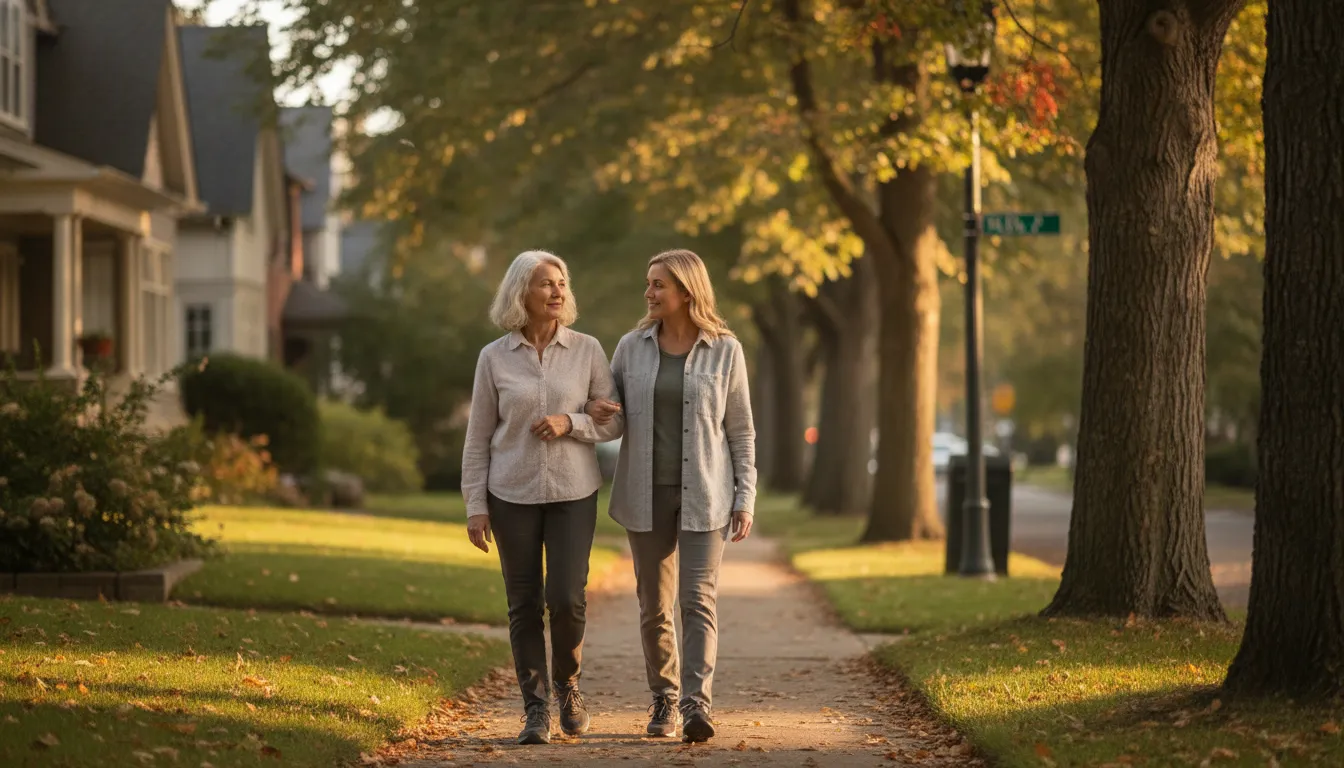
After divorce, ordinary parts of the day can feel unfamiliar. Meals, bedtime, errands, and social plans may have been shared for years, so rebuilding a rhythm can take time. A routine does not need to be strict or perfect. It can simply offer a few dependable points of structure while you adjust to changes in daily routine.
Start with the parts of the day that feel most manageable. Eating something at reasonably regular times may be easier than planning elaborate meals. If cooking for one feels discouraging, consider simple foods you enjoy, preparing leftovers, or sharing a meal with someone you trust. These are practical supports, not rules you must follow.
Sleep can also become unsettled during a major relationship transition. A consistent wind-down period, a comfortable sleep environment, and a plan to reduce stimulating activities late at night may help you notice what supports rest. If sleep problems continue or begin affecting daytime functioning, mention them to a qualified healthcare professional rather than trying to manage the concern alone.
Movement can be another gentle way to reconnect with your body and your surroundings. Depending on your health and abilities, this might mean walking, stretching, gardening, or moving around the home. Choose an amount that feels safe and appropriate for you. Your primary healthcare professional can help you consider what type of activity fits your circumstances.
It may also help to place meaningful activities and necessary appointments on a visible calendar. Include tasks such as medical visits, financial or household responsibilities, faith practices, hobbies, or time with grandchildren. The goal is not to fill every hour. It is to protect space for activities that reflect your values and remind you that your identity includes more than your former marriage.
- Choose one small daily task that gives the day a clear beginning.
- Keep appointments and medication questions organized in one place.
- Reach out to one person by phone, message, or in person when contact feels manageable.
- Leave room for quiet time, especially after emotionally draining conversations.
- Notice which routines help and adjust them without judging yourself.
Social contact does not have to mean attending a large gathering. A brief call, a familiar class, a neighborly conversation, or a shared activity may feel more comfortable. If loneliness, low mood, anxiety, or difficulty managing daily responsibilities persists, individual counseling can provide a private place to discuss what is changing and identify realistic next steps.
How Can Family Members Offer Support Without Taking Over?
Family members, friends, and caregivers can be an important source of steadiness after a later-life divorce. The most helpful role is usually not to manage the older adult’s recovery, but to make it easier for that person to identify what would feel supportive. Divorce can affect routines, relationships, privacy, and a sense of identity. Support works best when it protects the older adult’s dignity and leaves room for personal choices.
Begin by asking permission. A simple question such as, “Would you like to talk about what has been difficult. Or would practical help be better today?” gives the person control over the conversation. Listen without immediately correcting, judging, or comparing the divorce with another family experience. You do not need to solve every feeling. Reflecting what you hear, such as “That sounds like a significant change,” can show that you are present without deciding what the person should do next.
What does respectful support look like?
- Ask before offering advice. Suggestions may be useful, but unsolicited direction can feel like criticism or pressure.
- Offer specific choices. Instead of saying. “Let me know if you need anything,” try. “Would you like me to bring dinner Tuesday or drive you to your appointment?” The older adult can accept. Decline, or suggest another option.
- Respect privacy. Do not share details about the divorce, therapy, finances, or health with other relatives unless the older adult has agreed.
- Support ordinary connection. An invitation for a walk, phone call, meal, or familiar activity may be more welcome than repeated conversations about the divorce.
- Notice boundaries. If the person says no, changes the subject, or asks for space, accept that response without treating it as rejection.
Support is different from directing. An adult child or caregiver can help with transportation, meals, scheduling, or finding information when invited. The older adult should remain the decision-maker about personal relationships, living arrangements, treatment, and daily priorities whenever possible. Family participation in counseling or an assessment should also occur only when appropriate and with the client’s consent.
These conversations are about emotional support, not legal guidance or resolving every family disagreement connected to the divorce. Legal questions belong with a qualified legal professional. If family tension is making it difficult to listen safely or respectfully. The supporter may need guidance for their own boundaries rather than trying to control the older adult’s choices.
When Should an Older Adult Consider Counseling After Divorce?
Divorce can bring relief, uncertainty, loneliness, or several emotions at once. Counseling may be worth considering when distress continues, grows harder to manage, or begins interfering with sleep, meals, medications, personal care, relationships, or ordinary responsibilities. You do not need to wait for feelings to become overwhelming, and seeking support does not mean that divorce has made you ill. It can provide a private place to understand what has changed and identify practical next steps.
An assessment is not meant to force a diagnosis or prescribe one path. A clinician may ask about current concerns, social supports, living situation, medical conditions, medications, and previous therapy experiences. These details help place divorce-related stress in the context of the older adult’s whole life. With the client’s permission, a family member or caregiver may also help provide information. The older adult’s priorities, values, privacy, and choices should remain central to planning.
Blue Moon Senior Counseling uses collaborative individual teletherapy with Licensed Clinical Social Workers. Depending on the person’s goals and needs, conversations may draw from cognitive behavioral therapy adapted for older adults. Interpersonal therapy for relationship and role transitions, or problem-solving therapy for practical challenges. These are approaches, not guarantees, and the therapist and client can decide together which goals and strategies make sense.
For some older adults, remote care makes it easier to seek help while remaining at home. Blue Moon offers phone and video teletherapy options, subject to clinician licensing and the client’s location. The practice also provides support for major life transitions. Services may be a Medicare Part B covered service, but eligibility, coverage, and costs should be confirmed for the individual’s plan.
Call Blue Moon Senior Counseling at (630) 896-7160
If someone is in immediate danger, call 911. For an urgent emotional crisis, call or text 988. Blue Moon provides non-emergency follow-up individual teletherapy, not emergency intervention. If distress is persistent but not an emergency, a referral request can be a reasonable next step.
Request senior counseling through Blue Moon’s referral form
How Can Someone Find the Right Mental Health Support?
Finding support after a divorce is a personal decision, and the right fit may depend on more than a provider’s general credentials.
| Support option | What it may offer | Helpful question |
|---|---|---|
| Trusted person | Listening and steady connection | What kind of support feels comfortable? |
| Primary care professional | Help reviewing health or sleep concerns | What changes should I mention? |
| Individual counselor | Private space for adjustment and goals | Do you work with older adults? |
Look for someone who understands older adults, respects your priorities, and can discuss the practical and emotional changes that may follow a major relationship transition.
Questions to ask before choosing a therapist
During an initial conversation, consider asking:
- Ask about experience supporting older adults through divorce and other major life transitions.
- Discuss how goals, privacy, and family involvement will be handled.
- Confirm whether individual phone or video sessions are available where you live.
- What experience do you have working with older adults after divorce or other major life transitions?
- How do you distinguish divorce-related adjustment from bereavement after the death of a spouse?
- How will we decide what goals to work on, and how much control will I have over that process?
- How do you protect privacy, especially if a family member is helping me look for care?
- Do you provide individual sessions by phone, video, or both?
Clear answers can help you understand whether the therapist’s approach feels respectful and collaborative. Family members may help with scheduling or technology, but the older adult’s consent and confidentiality should remain central. A supportive therapist should make room for concerns about identity, loneliness, finances, routines, and changing family roles without treating every difficult feeling as a diagnosis.
Confirm location, licensing, and coverage
Teletherapy can make appointments more accessible, but licensing rules generally depend on where the client is located when the session takes place. Ask whether the clinician is licensed to provide care in your state and whether phone or video sessions are available there. Blue Moon Senior Counseling provides individual teletherapy by phone or video with Licensed Clinical Social Workers in most U.S. states, subject to clinician licensing and client location. You can review its phone and video teletherapy options as you compare services.
When discussing insurance, ask the practice and your plan how benefits apply. If relevant, ask whether the service is a Medicare Part B covered service and what documentation or cost information you should confirm before beginning. Coverage can depend on the plan and circumstances, so avoid relying on a general statement alone.
Once you have identified a provider who fits your needs, you can schedule a consultation for senior counseling and bring your questions to that conversation. The goal is not to find a perfect phrase or promise of quick change. It is to find a qualified professional who listens carefully and works with you on support that matches your values and situation.
Frequently Asked Questions
Is it common to get divorced at age 65?
Divorce can happen at many stages of life, including later adulthood. There is no single typical timeline or emotional response. What matters most is how the transition affects your sense of safety, identity, relationships, and daily functioning, along with the support available to you.
Is it worth divorcing at 70?
Whether divorce is right is a personal decision that may involve emotional, financial, family, and health considerations. Counseling cannot make that decision for you, but it can provide a confidential place to clarify your feelings, identify values, and plan supportive next steps without pressure.
What are the pros and cons of divorce for a 60-year-old woman?
Possible benefits may include greater independence, relief from ongoing conflict, and an opportunity to shape daily life around personal needs. Challenges may include loneliness, changes in finances or routines, and uncertainty about identity or future relationships. A supportive conversation can help you consider both the losses and the possibilities realistically.
What are the common reasons for divorce at 80 years old?
Older couples may separate for many different reasons, including long-standing relationship difficulties, changing needs, or a decision to live independently. It is not helpful to assume one explanation applies to everyone. The older adult’s own perspective, preferences, and privacy should guide any support offered by family or friends.
Schedule Support for the Next Chapter
Divorce can bring changes that feel easier to work through with a confidential, compassionate space to talk. Blue Moon offers non-emergency individual teletherapy by phone or video, subject to clinician licensing and client location. To schedule a consultation or request individual senior counseling support for emotional adjustment after divorce, call (630) 896-7160.