

A quiet house and empty calendar are often the first signs of serious social isolation in aging parents. Watching a loved one pull away from the world is hard for any family.
To help an elderly parent overcome social isolation, start by creating a steady plan for social connection and using simple tools to bridge physical gaps. The National Institute on Aging states that isolation is a real lack of social contacts that increases health risks like heart disease and depression. You can help your parent by urging them to join local groups, maintain friendships, or access individual teletherapy, which is a Medicare Part B covered service. These firm steps help seniors find a connected and healthy life from home where they truly feel like a vital and respected part of the world. Taking action early can protect your parent’s mental and physical health while keeping them engaged with the people and activities they love.
Call (630) 896-7160 today to schedule a free consultation and learn how geriatric teletherapy can help your parent reconnect with the people and activities they love.
Knowing how to spot these issues is the first step in supporting your aging loved one. You may wonder about the specific ways these feelings affect your parent. The journey starts with a clear look at the difference between loneliness and social isolation.
Help Elderly Parent Overcome Social Isolation: Loneliness vs. Social Isolation: What Is the Difference?
Social isolation is an objective lack of social contacts measured by how few people a person sees or talks to regularly. Loneliness is a subjective feeling of being disconnected even when others are present. Understanding this difference is essential to choosing the right support. Because a parent who lives alone may need more social activities while one who feels lonely needs deeper emotional bonds through services like individual teletherapy.
Many people think “lonely” and “isolated” are the same, but they are not. Knowing the gap helps you find the right senior isolation and deep loneliness support for your loved one.
What is social isolation?
Social isolation is a state you can measure. It refers to a lack of social ties and having few people to talk to or see often. The National Institute on Aging (NIA) says isolation is the fact of having few social contacts. A parent who lives alone may be isolated but not feel sad about it.
What is loneliness?
Loneliness is a feeling rather than a fact. It is the painful emotion of being alone or cut off even when people are nearby. A person can feel lonely in a crowded room when their social ties do not provide the bond they need. Spotting this deep pain helps you find the right care for your parent.
| Aspect | Social Isolation | Loneliness |
|---|---|---|
| Definition | Objective lack of social contacts | Subjective feeling of being alone |
| Measurement | Can be counted (how many contacts, visits) | Cannot be counted, only described |
| Experience | Living alone, few visitors | Feeling disconnected even in a crowd |
| Solution focus | Increase social contacts and activities | Build deeper, more meaningful bonds |
What Are the Health Risks of Senior Isolation?
Senior isolation raises the risk of heart disease by 30 percent, increases the likelihood of dementia, and is linked to a 45 percent higher risk of early death. The U.S. Surgeon General has compared the health impact of chronic loneliness to smoking 15 cigarettes per day. These risks make it vital to help an elderly parent overcome social isolation early through consistent social contact and professional support.
Isolation is more than just feeling alone. It has a real effect on how the body works. Studies show that social isolation can lead to heart disease and memory loss. When you try to help an elderly parent overcome social isolation, you are doing more than making them smile. You are helping them stay healthy for a longer time.
Impact on heart and brain
Staying alone puts a large strain on the heart. Research found that being lonely increases the risk of heart disease and stroke by about 30 percent. It also makes it more likely that a person will face memory loss or dementia. These issues often happen because lonely people lack the social support they need to stay active.
Mental health is also at risk. People who feel cut off from others often struggle with low moods. It is vital to identify depressive symptoms early to help your parent. This care can stop their mental health from getting worse over time. About one in six people worldwide face these feelings, so you are not alone.
Mortality and physical decline
The risks of being alone can be quite high. A study from UCSF found that seniors who feel lonely have a 45 percent higher risk of death. This is a big number that shows why staying in touch is so vital. Loneliness is also linked to a 59 percent higher risk of mental and body decline. This decline can make it hard for seniors to do daily tasks like dressing or cooking.
When health fails, it leads to more time in the hospital. Lonely seniors tend to have longer hospital stays and go back more often. Keeping your parent active with others helps their body stay strong. It also reduces the need for constant medical care.
The cost of chronic isolation
The U.S. Surgeon General has compared loneliness to a well-known health risk. He said that being lonely can be as bad as smoking 15 cigarettes a day. It is also like having six drinks a day. These facts show that senior isolation and deep loneliness are big health concerns. They are not just small social problems.
We know that about one in ten older adults feel lonely and one in four seniors are socially isolated. Taking steps to bridge this gap can save lives. By helping your parent stay in touch with friends and family, you help their heart, brain, and body stay well.
How Can You Spot the Warning Signs of Isolation?
Warning signs that an elderly parent is struggling with isolation include canceling plans. Losing interest in hobbies, skipping meals, sleeping excessively, neglecting personal hygiene, and expressing feelings of worthlessness. These behavioral, emotional, and physical changes often appear gradually. Recognizing them early allows families to help an elderly parent overcome social isolation before serious health consequences develop.
The number of people age 65 and older is growing fast, and many older adults are socially isolated and regularly feel lonely. As a child of an aging parent, you may not see the signs right away. It is helpful to watch for small changes in how they act each day. These clues can help you find ways to help an elderly parent overcome social isolation before it hurts their health.
Behavioral changes and withdrawal
One clear sign is when a parent stops doing things they once loved. They might cancel plans or stop going to lunch with friends. You might notice they do not answer the phone as often as they used to. This withdrawal is often a way to cope with life changes. For example, many seniors find that coping with retirement transitions can trigger a deep sense of being alone.
Pay close attention to their interest in food and sleep. A parent who struggles with isolation may lose their appetite or stop cooking real meals. They might also sleep much more than usual or have a hard time staying asleep. These shifts in habits can show that they feel hopeless or lack a reason to get out of bed each day.
Physical neglect and low mood
Isolation and low mood often go hand in hand. It is vital to identify depressive symptoms early because they frequently happen at the same time as social isolation. You might hear them say they feel like a burden or that no one cares. They may stop caring about how they look or skip baths and clean clothes because they do not expect to see anyone.
If you see these signs, you do not have to handle it alone. Professional help is available and easy to reach. Many seniors use a Medicare Part B covered service for individual teletherapy. This lets them talk to a counselor by phone or video from home. This support can help them build the skills to reconnect with the world and feel less alone.

Practical Ways to Help an Elderly Parent Overcome Social Isolation
You can help an elderly parent overcome social isolation by scheduling weekly video calls. Helping them reconnect with old friends, finding volunteer opportunities, setting up easy-to-use technology, and encouraging regular in-person visits. Each small step builds a bridge back to meaningful connection. When these strategies are not enough, individual teletherapy as a Medicare Part B covered service provides professional support from the comfort of home.
It is hard to watch a parent pull away from the world. You might live far away or have a full work week that makes it tough to visit. But you can take small steps to help your elderly parent overcome social isolation. Most seniors do best when they have a mix of old friends and new activities.
- Schedule a weekly call or video chat at the same time each week so your parent has something to look forward to.
- Help them reconnect with one old friend each month through a phone call or handwritten letter.
- Find a local volunteer opportunity at a school, food bank, or community center that matches their interests.
- Set up a simple tablet or computer with large buttons so they can see family photos and join group chats.
- Encourage them to invite a neighbor or friend over for tea once a week to build in-person connection.
Build on current bonds
Keeping in touch by phone is one of the best ways to stay close. You can set a fixed time each week for a family call or a video chat. This routine gives your parent something to look forward to. Also, try to help them reach out to old friends they have not seen in a while. Helping them keep in touch by phone or letter keeps their current bonds strong.
Find a sense of purpose
Many seniors feel lonely because they do not have a daily goal. Helping out as a volunteer can give them a reason to get out of the house. It lets them meet new people while they do good work. You can look for roles at local schools or food banks. The National Institute on Aging says staying connected is key because isolation raises the risk of heart disease. If they prefer to stay at home, suggest they invite a neighbor over. A simple act like hosting a friend for tea can help them manage senior isolation and deep loneliness.
Use tech to bridge the gap
New tech tools can help when you cannot be there in person. Many older adults find that they like to learn to use computers to see photos of grandchildren. You can set up a simple tablet with large buttons. This makes it easy for them to join group chats or play games online with family. If your parent feels stuck at home, teletherapy for lonely seniors can also give them a safe space to talk to someone who cares.
How Can Technology Help Seniors Combat Loneliness?
Technology helps seniors combat loneliness by providing video calls that show loved ones face to face. Social media that shares family updates, online classes that teach new skills, and teletherapy sessions that deliver professional counseling by phone or video. These tools bridge physical distance and create meaningful daily connection. When a parent cannot visit in person, technology becomes the next best way to help an elderly parent overcome social isolation.
Tech tools can serve as a bridge when family members live far away. These tools bring the faces and voices of loved ones right into the home. Video calls on apps like FaceTime or Zoom let seniors see their kids and grandchildren in real time. This visual link helps a parent feel close to their family, even if they are miles apart.
Staying connected through video and social media
Social media sites allow seniors to see photos and news from their family every day. They can join groups with people who share their same hobbies, like gardening or crafts. According to the National Institute on Aging, using video chat or social media is a key way to stay in touch. For many, online therapy for seniors offers a safe space to talk about their feelings without leaving the house.
Learning new skills and joining online groups
Many older adults enjoy taking online classes or joining virtual book clubs. These groups help them meet new people from all over the world. Some parents may feel nervous about using new tools at first. You can help your parent learn to use a computer by showing them one step at a time. Helping them master a new skill can build their confidence and reduce their fear of being alone.
Accessing care through teletherapy
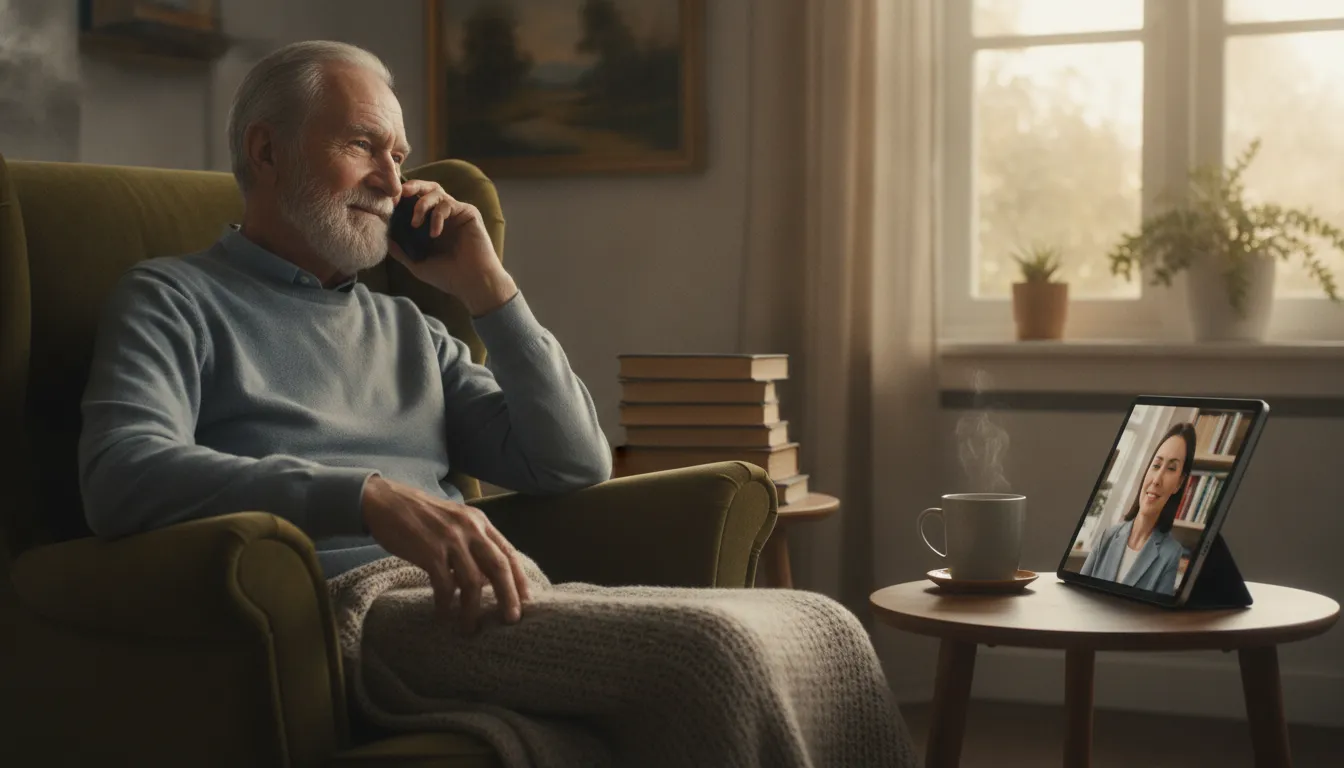
One-on-one teletherapy is a helpful way for seniors to get support. It removes the stress and cost of driving to a doctor’s office. Seniors can talk to a trained expert over the phone or through a video link. Since this is a Medicare Part B covered service, it is an easy way for seniors to get the mental health care they need. These regular talks can help your parent build new coping strategies for the challenges of aging.
When Should You Seek Professional Support for Senior Isolation?
You should seek professional support for senior isolation when your parent stops caring for themselves, expresses hopelessness. Shows major changes in sleep or appetite, or when simple social strategies do not lift their mood. Individual teletherapy is a Medicare Part B covered service that provides expert counseling by phone or video. Professional geriatric counseling helps seniors build new coping skills and reconnect with the world around them.
Simple tips like calling a friend or starting a new hobby are not always enough to fix the pain of being alone. If your parent feels stuck in a deep cycle of sadness, it may be time to find more help. Seeking support for senior isolation and deep loneliness is a smart way to protect their mental health.
Professional geriatric counseling is a great choice when being alone leads to severe symptoms of depression. Getting help is not a sign of weakness, but a bold step toward a better life. This type of support helps seniors build new habits and find hope again.
Signs that it is time for help
It can be hard to know when normal loneliness turns into a bigger clinical problem. You should watch your parent for big changes in their mood, sleep, or daily habits. If they seem to pull away from family or lose interest in things they loved, they may need an expert’s care. Loneliness can change the risk and course of many long-term health conditions.
Look for these warning signs that tell you more help is needed:
- They stop taking care of their home or themselves.
- They express feelings of being worthless or hopeless.
- They sleep too much or have a hard time resting.
- They lose their appetite or stop eating regular meals.
How teletherapy can help
Older adults often face high stress when they try to get to a doctor’s office. This is why individual teletherapy is such a helpful tool for seniors today. It lets them talk to a trained professional from their own home using a phone or computer. This method removes the need for travel and makes it easier to stay on track with care.
By using CBT strategies to reduce loneliness, a therapist can help your parent change how they view their life. They can learn new ways to reach out to others and manage their fears. These tools give them the power to build a more active social life.
Benefits of senior counseling
Expert care for seniors focuses on the unique life changes that come with aging. Counselors who know the needs of older adults can provide more targeted support than a general doctor might. Also, this is a Medicare Part B covered service for most seniors. This means they can get high quality care without worrying about a big bill. Blue Moon Senior Counseling offers phone and video sessions that fit your parent’s life. If you see your parent struggling to stay connected, reaching out for support is a kind way to help.
Frequently Asked Questions
Can social isolation in seniors lead to serious health problems?
Yes, chronic isolation is very risky for older adults. According to the Michigan Medicine Health Lab, it increases the risk of heart disease and stroke by 30 percent. It also raises the risk of death by 45 percent. Helping a parent stay connected is not just about their mood. It is a vital step for their physical and mental health as they age.
How much does geriatric teletherapy cost with Medicare?
Medicare Part B typically covers 80 percent of the approved amount for geriatric teletherapy after you meet your yearly deductible. Blue Moon Senior Counseling works with traditional Medicare and Medicare Advantage PPO policies. This coverage makes it easier for seniors to get mental health support without worrying about high costs. It is a Medicare Part B covered service that provides accessible care for older adults.
Can my parent use a regular phone for teletherapy?
Yes, seniors can use a regular landline or mobile phone for teletherapy. At Blue Moon Senior Counseling, we provide support through simple phone calls or video chats. This makes it easy for older adults who may not feel comfortable with complex apps or new devices. It is a simple and clear way to connect with a therapist without leaving the house or needing special tech skills.
How do I start helping my parent overcome isolation?
You can start by making regular phone calls or scheduling a weekly visit. Small steps like inviting a neighbor for tea or helping them join a local senior group can also help. According to the National Institute on Aging, staying connected with others is key to better health. Reaching out to a trained professional is also a great way to support them.
Ready to help your parent overcome social isolation?
Social isolation puts older adults at a high risk for heart disease and mental decline when they stay alone for too long without care. If you wait to seek help, these health risks will grow and make life much harder for your parent to enjoy their daily life. Since this is a Medicare Part B covered service, you can take action now to help your parent start a new path toward wellness.
Call (630) 896-7160 today to speak with our team and schedule a free consultation for geriatric teletherapy. Our clinical experts are ready to guide your family and help your parent feel connected again.