

Just as we swap our light jackets for warmer coats, our daily routines often need to change with the seasons. The outdoor walks and garden work of summer may not be possible when snow is on the ground. This shift requires us to be more intentional about finding new ways to move our bodies and connect with others. It’s not about doing less, but about adapting creatively. This article is your guide to making that transition smoothly. We’ll cover everything you need to know about how to stay active during winter, offering ideas that fit the season and support your overall well-being.
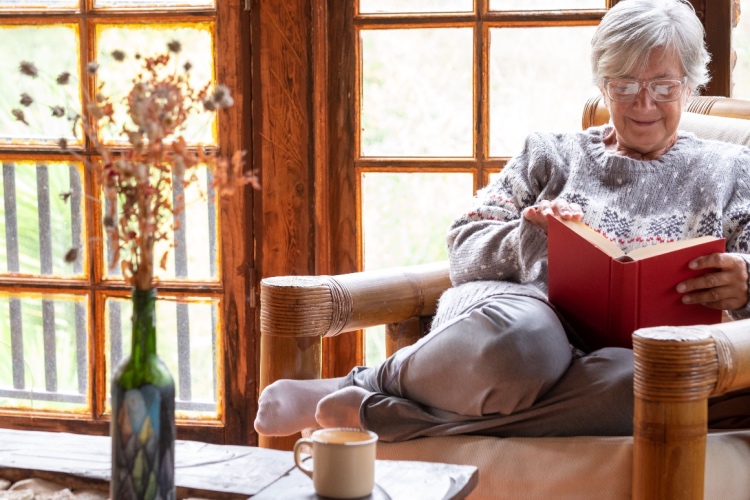
Winter brings a certain stillness to life, but it doesn’t mean slowing down completely. For seniors, this season can present unique opportunities to focus on health, relationships, and personal growth. It’s a time to nurture both body and mind in ways that fit the cozy and quiet atmosphere of the colder months. At Blue Moon Senior Counseling, we understand how important it is to stay active—physically, mentally, and emotionally—especially when winter challenges us to do so indoors.
Table of Contents
- 1. Moving More Indoors: Exercises to Stay Strong
- 2. Keeping Your Mind Engaged
- 3. The Joy of Staying Connected
- 4. Routines That Bring Comfort and Purpose
- 5. Winter Activities to Explore
- 6. Taking Care of Yourself
- Embracing Wellness This Winter
- Frequently Asked Questions (FAQs)
1. Moving More Indoors: Exercises to Stay Strong
The Benefits of Regular Movement
Staying physically active during winter has far-reaching benefits. It boosts circulation, strengthens muscles, and improves balance, reducing the risk of falls. Movement also releases endorphins, which can elevate your mood on gray days. Even small amounts of daily exercise can make a significant difference.
Boosting Your Immune System
Winter often means spending more time indoors, which can make it easier for colds and the flu to spread. Regular physical activity is one of your best defenses. According to the American Heart Association, exercise helps boost your immune system, making you more resilient against seasonal infections. Think of it as training your body to fight off germs more effectively. Beyond immunity, staying active strengthens your bones and muscles, improves your balance to prevent falls, and even helps you get a better night’s sleep. Each small effort to move contributes to a stronger, healthier you throughout the colder months.
Improving Mood with Vitamin D
The shorter, darker days of winter can sometimes take a toll on our spirits. One of the simplest ways to combat this is by getting a dose of sunlight. Even a brief walk on a chilly but sunny day allows your body to produce Vitamin D, which can significantly improve your mood. Regular physical activity is also a proven way to reduce anxiety and keep your mind sharp. While movement is a powerful tool for mental wellness, it’s also important to have dedicated support. If you find yourself struggling with persistent low moods or anxiety, talking with a professional can provide you with strategies to feel better. At Blue Moon Senior Counseling, our individual teletherapy sessions are a Medicare Part B covered service, making it easier to get the care you need from the comfort of your home.
How Much Exercise Do You Need?
Health experts, including the American Heart Association, generally recommend that adults aim for at least 150 minutes of moderate physical activity each week. This might sound like a lot, but you can easily break it down into smaller, more manageable sessions, like 30 minutes five days a week or even just 22 minutes every day. The most important thing to remember is that any movement is better than none at all. Starting small and gradually increasing your activity level is a great approach. Regular exercise offers incredible benefits, from improving your balance and strengthening your bones to reducing anxiety and helping you sleep better at night.
Simple Exercises You Can Do at Home
For seniors, accessible and low-impact exercises are key. Chair exercises, for example, are an excellent option. These include gentle leg lifts, arm stretches, and seated marches. If you have access to light hand weights or resistance bands, you can add these to your routine for strength training. Looking for variety? Online classes tailored to seniors can guide you through activities like tai chi or yoga. Both are excellent for improving flexibility, balance, and relaxation. If you’re new to these activities, start with short sessions and gradually build your endurance. The National Institute of Aging has also outlined some exercises you can do if you have any chronic conditions.
Active Chores
You don’t need a gym membership to get your body moving. Everyday household tasks can be a fantastic source of light physical activity. The Centers for Disease Control and Prevention notes that indoor housework like vacuuming, sweeping, or even tidying up counts toward your daily movement goals. Putting on some music can make these tasks more enjoyable and feel less like work. The goal is to find ways to incorporate gentle activity into your existing routine, turning necessary chores into opportunities to care for your physical health while keeping your home comfortable and clean.
Stair Climbing
If you have stairs in your home or building, you have access to a simple and effective workout. Taking a few trips up and down the stairs can get your heart rate up and help strengthen your leg muscles and improve balance. The American Heart Association suggests using stairs for a convenient cardio workout, especially when it’s too cold to go outside. You can start with just a few minutes at a time and gradually increase as you feel more comfortable. Always hold onto the handrail for safety and listen to your body, resting when you need to.
Mall Walking
When the sidewalks are icy, a local shopping mall can offer a safe, warm, and flat environment for a good walk. Many malls open early to accommodate walkers, providing a social and climate-controlled space to get your steps in. It’s a great way to stay active while also getting out of the house. As My Health Alberta suggests, you can also check if local community centers or schools have an indoor gym or track available for public use. This can be a wonderful way to meet new people while staying committed to your fitness.
2. Embracing the Outdoors Safely
Even on the coldest days, a little fresh air and sunshine can make a world of difference for your physical and mental well-being. Getting outside breaks up the monotony of being indoors and can significantly lift your spirits. You don’t need to plan a major expedition; even a short walk can expose you to sunlight, which helps your body produce Vitamin D and can ease feelings of seasonal depression. The key is to approach outdoor time with a bit of planning to ensure you stay warm, safe, and comfortable.
Outdoor Winter Activity Ideas
You don’t have to give up your exercise routine just because the temperature drops. In fact, exercising in cooler weather offers some unique benefits for your heart and circulation. The goal is to find activities you enjoy that keep you moving. Consider a brisk walk through a local park to admire the winter scenery or a light hike on a clear, sunny day. Even productive yard work like raking leftover leaves or shoveling a light dusting of snow can be great forms of exercise. For something a bit more playful, you could try ice skating or sledding with family. The American Heart Association encourages finding simple ways to stay active, reminding us that consistency is more important than intensity.
How to Dress for Cold Weather
The secret to staying comfortable outdoors in winter is dressing in layers. Layering traps heat effectively while also giving you the flexibility to remove a layer if you start to feel too warm. Your base layer, the one closest to your skin, should be made of a moisture-wicking fabric like polyester or merino wool, which pulls sweat away from your body. Avoid cotton, as it holds moisture and can make you feel colder. Your middle layer should provide insulation—think fleece or a down vest. Finally, your outer layer should be waterproof and wind-resistant to protect you from the elements. Don’t forget to cover your extremities with a warm hat, gloves or mittens, and thick socks to prevent heat loss.
Essential Safety Precautions
A little preparation goes a long way in making your winter outings safe and enjoyable. Before you head out, it’s always a good idea to let someone know where you’re going and when you expect to be back. Try to be active during daylight hours, and if you must go out when it’s dark, consider asking a friend or family member to join you. Taking these small steps can give you peace of mind and allow you to fully relax and enjoy your time outdoors.
Check the Weather and Wind Chill
Always check the local forecast before you leave the house. Pay close attention not just to the temperature but also to the wind chill, as it can make the air feel much colder than the thermometer indicates. This information will help you dress appropriately and decide if it’s safe to be outside. If the weather is particularly harsh, with extreme cold, heavy snow, or icy rain, it’s best to reschedule your outdoor activity and opt for an indoor workout instead.
Stay Hydrated
It’s easy to forget to drink water when it’s cold outside because you may not feel as thirsty as you do in the summer. However, your body still loses moisture through breathing and perspiration, making hydration just as important in the winter. Make a habit of drinking water before, during, and after your outdoor activity. Carrying a small, insulated water bottle can help remind you to take sips and prevent dehydration, which can affect your energy levels and body temperature regulation.
Prevent Slips and Falls
Icy sidewalks and paths are one of the biggest hazards during winter. To prevent falls, wear boots or shoes with non-skid soles that provide plenty of traction. If you use a cane or walker, make sure it has a good rubber tip or consider adding an ice grip attachment. Walk slowly and deliberately, taking shorter steps to maintain your balance. Be extra cautious in areas that may be prone to ice, such as shaded spots or patches of refrozen melted snow.
Recognizing the Signs of Hypothermia
Hypothermia is a serious medical condition that occurs when your body loses heat faster than it can produce it, causing your core body temperature to drop to a dangerous level. It’s important for seniors to be aware of the signs, as their bodies may have a harder time regulating temperature. Early symptoms include intense shivering, cold hands and feet, and fatigue. As it progresses, you might notice confusion, slurred speech, poor coordination, and drowsiness. If you or someone you’re with shows these signs, get indoors immediately, remove any wet clothing, and seek medical attention right away.
2. Keeping Your Mind Engaged
Hobbies to Stimulate Your Brain
Winter is a wonderful time to dive into hobbies that spark curiosity and creativity. If you enjoy working with your hands, consider knitting, painting, or assembling puzzles. These activities engage different parts of your brain while offering a sense of accomplishment. Reading is another timeless way to keep your mind active. You might explore a new genre, tackle a nonfiction topic that intrigues you, or revisit a favorite classic. If you want to share the experience, joining a book club—either virtually or in person—can provide an additional layer of enjoyment.
The Social Benefits of Mental Engagement
Beyond personal satisfaction, hobbies and mental challenges often connect you with others. For example, playing bridge or other card games with friends not only sharpens your mind but also strengthens your social bonds. Even virtual games or online classes can bring new friendships into your life.
3. The Joy of Staying Connected
Making Technology Work for You
Modern technology can help bridge the gap between loved ones during winter. Video calling platforms like Zoom or FaceTime make it easy to have face-to-face conversations, even if miles separate you. Regularly scheduled calls with family and friends can add consistency and joy to your weeks. Don’t be afraid to ask for help setting up these tools. Senior Planet and Cyber-Seniors offers free technology support and teaching technology skills to older adults.
In-Person Gatherings for Warmth and Friendship
If you’re comfortable hosting, inviting a small group of friends or neighbors for tea, games, or crafting can bring warmth to a winter day. Many communities also host senior-friendly events like workshops, movie afternoons, or potlucks. These outings are a chance to step outside, even briefly, and connect with others who share your interests.
4. Routines That Bring Comfort and Purpose
Building a Winter Routine
Winter routines can anchor your day, providing structure and a sense of achievement. Start with the basics: set regular wake-up and bedtime hours to maintain your body’s internal clock. Plan your meals to ensure you’re eating balanced, nourishing foods like soups, roasted vegetables, and whole grains. Schedule specific times for activities like exercise, hobbies, and social interaction. For instance, you might dedicate your mornings to light stretches and journaling, your afternoons to a creative project, and your evenings to reading or catching up with loved ones.
Adapting Your Routine to Fit the Season
Winter’s challenges, like shorter daylight hours, might require adjustments to your routine. Make use of daylight by enjoying your most active moments earlier in the day. In the evenings, focus on calming activities that help you wind down, such as listening to music or practicing mindfulness techniques.
Tips for Staying Motivated
It’s completely normal for motivation to dip when it’s cold and dark outside. To keep moving, start with small, achievable goals. The CDC suggests that 30 minutes of moderate activity five days a week is a great target, but remember that even short bursts of movement make a difference. You could try doing a few simple stretches during TV commercials. Another great tip is to make exercise social—ask a friend to join you for a walk or an online fitness class. By scheduling your activity for the same time each day, you can build a routine that feels natural, not like a chore. If you notice that low motivation is consistently affecting your mood, talking with a professional can help you develop new coping skills.
5. Winter Activities to Explore
Creative Pastimes to Brighten Your Days
Creative projects can bring a sense of purpose to winter days. Try indoor gardening by nurturing houseplants or growing herbs on your windowsill. Not only will they add greenery to your space, but they can also be used in cooking. Crafting is another great way to pass the time. Whether you’re making homemade holiday decorations, knitting scarves, or building photo albums, these projects keep your hands and mind busy while giving you something tangible to enjoy.
Opportunities in Your Community
Your local community likely offers winter-specific activities for seniors. These might include indoor markets, art classes, or exercise groups. Libraries often host events like lectures, music performances, or movie screenings that are perfect for seniors looking to get out of the house.
6. Taking Care of Yourself
Physical Self-Care
Winter’s dry air and cold temperatures can be tough on your body. Staying hydrated is crucial, even if you don’t feel as thirsty. Keep a water bottle handy and sip throughout the day. Skin care is equally important. Use moisturizers to combat dryness, and consider running a humidifier to add moisture to the air in your home.
Talk to Your Doctor First
Before you jump into a new exercise routine this winter, it’s always a good idea to have a chat with your doctor. This is especially true if you’re managing a chronic condition like heart disease or asthma. Your doctor can help you figure out which activities are safest and most beneficial for you. The American Heart Association recommends this check-in, particularly if you have existing health concerns or haven’t been active for some time. The CDC also highlights that even if you’ve had a heart attack or stroke, exercise is generally beneficial, but it’s essential to get your doctor’s approval first. Regular physical activity can play a significant role in your long-term health, potentially lowering the risk of future health complications. By discussing your plans with your doctor, you can create a winter fitness plan that is both safe and perfectly suited to your needs.
Emotional Well-Being
Seasonal changes can sometimes bring feelings of sadness or isolation. If you find yourself struggling, reach out to a professional counselor or therapist. At Blue Moon Senior Counseling, we’re here to provide the support you need. Talking through your feelings with a trusted professional can bring relief and clarity, making it easier to embrace the season.
Embracing Wellness This Winter
Winter may bring its own set of challenges, but it’s also an opportunity to focus on activities and habits that enrich your life. Whether it’s staying physically active, engaging your mind, or connecting with loved ones, these small actions can have a big impact on your well-being. At Blue Moon Senior Counseling, we’re here to help you navigate the ups and downs of every season. Contact us today to learn how we can support your emotional and mental health, ensuring that this winter becomes a time of growth and fulfillment.
Frequently Asked Questions (FAQs)
- What are the best indoor exercises for seniors during winter?
Chair exercises, resistance band workouts, and tai chi are excellent low-impact options. Online classes or DVDs designed for seniors provide additional guidance and variety.
- How can seniors stay socially connected during winter?
Regular video calls, attending local community events, and hosting small gatherings with friends or neighbors are great ways to maintain social bonds.
- What are some easy hobbies for seniors to pick up in winter?
Knitting, painting, indoor gardening, puzzles, and reading are all wonderful hobbies that can be done from the comfort of your home.
- How can seniors maintain a healthy routine during winter?
Set consistent sleep and wake times, plan meals around nutritious foods, and schedule time for physical activity, social interaction, and relaxing hobbies.
- How can Blue Moon Senior Counseling help seniors during winter?
We offer personalized counseling to address the emotional and mental challenges that winter can bring, helping seniors find balance and joy throughout the season.
Key Takeaways
- Adapt Your Activity for the Season: You don’t have to stop moving when it gets cold; just adjust your routine. Try indoor options like chair exercises and mall walking, or dress in warm layers for a short, brisk walk outside to get fresh air and sunlight.
- Engage Your Mind and Your Friendships: Keep your spirits up by staying mentally and socially active. Pick up a new hobby like reading or puzzles, and schedule regular video calls or small, cozy get-togethers with friends and family to maintain important connections.
- Prioritize Safety During Winter Outings: A little planning makes outdoor time safe and enjoyable. Always check the weather forecast, dress in warm layers, and wear shoes with good traction to prevent slips. It’s also a great idea to talk with your doctor before starting any new exercise plan.
Related Articles
- Winter Home Safety For Seniors – Blue Moon Senior Counseling
- Seniors To Overcome Fear and Reservations About New Activities
- 6 Ways To Stay Physically and Mentally Active During Winter as a Senior – Blue Moon Senior Counseling
- Empowering Seniors in 2024
- Signs of Loneliness in Elderly: 6 Key Signs & Ways to Help