
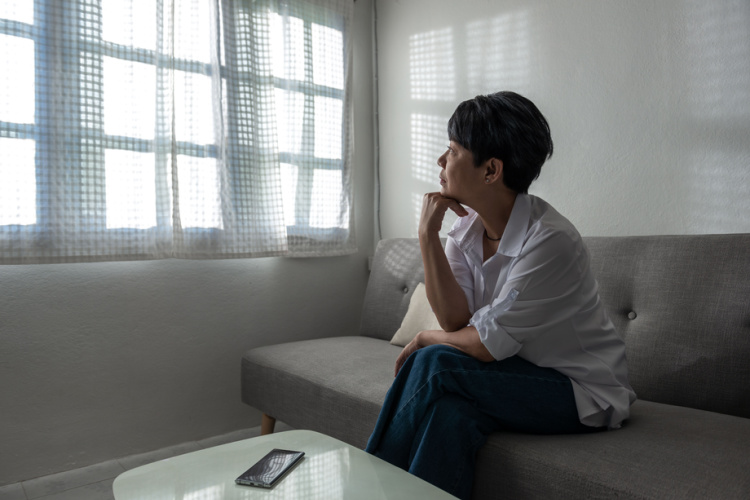
Does your world feel like it’s getting smaller? Perhaps you’ve started avoiding the grocery store, family gatherings, or even a simple walk around your neighborhood. What once felt like simple caution can slowly become a cage, leaving you feeling isolated and cut off from the life you once enjoyed. This experience is a hallmark of agoraphobia, an anxiety disorder that is more than just a fear of leaving home; it’s often the fear of panic itself. The good news is that you can reclaim your space and your freedom. This article will explain the challenges seniors face and provide actionable steps on how to cope with agoraphobia, with support available every step of the way.
 Agoraphobia is a complex and challenging anxiety disorder that can significantly impact the lives of those affected by it. At Blue Moon Senior Counseling, we understand the unique challenges that seniors face when dealing with agoraphobia. With a team of licensed clinical social workers who have helped thousands of seniors overcome agoraphobia, we are dedicated to providing valuable coping strategies to help seniors regain control of their lives. In this article, we will explore the various challenges associated with agoraphobia and provide valuable coping strategies to help seniors regain control of their lives.
Table of Contents
- What Is Agoraphobia?
- Common Symptoms
- Challenges Faced by Seniors with Agoraphobia
- Coping Strategies for Seniors with Agoraphobia
- Frequently Asked Questions (FAQs)
- Find Hope and Healing with Blue Moon Senior Counseling
What Is Agoraphobia?
Agoraphobia is an anxiety disorder characterized by an intense fear of situations or places where escape might be difficult or embarrassing. Individuals with agoraphobia often fear being in crowded places, open spaces, public transportation, and being far from home. This fear can be paralyzing and have a profound impact on their daily lives. According to the National Health Service, agoraphobia is considered an anxiety disorder. It often occurs in people with panic disorders, but that’s not always the case. Research shows that late-onset agoraphobia is not usually associated with panic disorder and that depression, anxiety, or other traumatic events may be responsible instead.
Recognizing the Signs of Agoraphobia
1. Overwhelming Panic Attacks
Seniors with agoraphobia often experience debilitating panic attacks when confronted with triggering situations. These attacks are characterized by a sudden and overwhelming surge of fear and anxiety. Symptoms may include rapid heartbeat, shortness of breath, sweating, trembling, and a feeling of impending doom.
2. Avoiding Places and Situations
One of the most noticeable coping mechanisms for agoraphobia is avoidance. Seniors may actively avoid situations or places that trigger their anxiety. According to the National Institute of Health, avoidance can be viewed as a safety-seeking behavior. This avoidance can lead to a vicious cycle, as it reinforces the belief that these situations are dangerous, making it even more challenging to face them in the future.
3. The Physical Toll of Anxiety
Agoraphobic episodes can manifest with a range of distressing physical symptoms. These can include nausea, dizziness, chest pain, and a sense of unreality. These symptoms can intensify the fear of certain situations and contribute to the desire to stay home.
4. The Link to Panic Disorder
There’s a strong link between agoraphobia and panic disorder. For many people, agoraphobia develops after a frightening and sudden panic attack happens in a public setting. This experience can kickstart a difficult cycle where the intense fear of another attack leads to avoiding any situation that might trigger one. This pattern of avoidance is the very core of agoraphobia. In fact, the National Alliance on Mental Illness notes that about a third to a half of individuals with agoraphobia also have a history of panic attacks. The fear often isn’t about the place itself, but about the terrifying feeling of being trapped, helpless, or embarrassed if panic strikes again. This can feel paralyzing and significantly disrupt daily life.
How Agoraphobia Affects a Senior’s Life
Losing a Sense of Independence
Seniors affected by agoraphobia face challenges to maintain their independence. The fear of experiencing panic attacks or distressing physical symptoms in public places can make simple tasks, such as grocery shopping or attending medical appointments, seem insurmountable. Consequently, they may become increasingly reliant on others for assistance.
Feeling Cut Off and Alone
Agoraphobia can lead to profound social isolation among seniors. The fear of panic attacks and the subsequent avoidance of social situations can result in loneliness and isolation. Seniors may withdraw from friends, family, and social activities they once enjoyed, leading to a decreased sense of connectedness and increased risk of depression.
When Daily Life Feels Smaller
The pervasive fear associated with agoraphobia can significantly diminish a senior’s quality of life. It can rob them of the ability to engage in everyday activities that bring joy and fulfillment. Something as simple as going for a walk in the park or attending a family gathering can become daunting tasks that seem impossible to accomplish.
Treatment Options for Agoraphobia
If you’re living with agoraphobia, it’s important to know that effective treatments are available to help you regain your freedom and confidence. The path to recovery often involves a combination of therapy, self-help strategies, and sometimes medication. A mental health professional can work with you to create a personalized treatment plan that addresses your specific fears and symptoms. The first step is understanding the options and recognizing that you don’t have to face this alone. With the right support, you can learn to manage your anxiety and gradually return to the activities you enjoy.
The Diagnostic Process
Getting a proper diagnosis is the first step toward effective treatment. This typically involves a thorough evaluation with a mental health professional, such as a therapist or psychiatrist. They will talk with you about your symptoms, how long you’ve been experiencing them, and how they affect your daily life. They’ll want to understand which situations you fear and avoid, and whether you experience panic attacks. This conversation helps them rule out other medical conditions and confirm if agoraphobia is the cause of your distress. This process is confidential and designed to help you get the precise care you need to start feeling better.
Therapy as a Primary Approach
Therapy is considered the most effective treatment for agoraphobia. Working with a therapist provides a safe space to understand the root of your fears and develop practical skills to overcome them. The goal of therapy isn’t just to talk about your anxiety, but to learn actionable techniques that empower you to face feared situations. Different therapeutic approaches can be used, but most focus on changing the thought patterns and behaviors that maintain the cycle of fear and avoidance. A therapist acts as your guide, supporting you at your own pace as you work toward your recovery goals.
Cognitive Behavioral Therapy (CBT)
Cognitive Behavioral Therapy (CBT) is one of the most helpful types of talk therapy for agoraphobia. This approach teaches you how to identify, challenge, and reframe the negative thoughts that fuel your anxiety. For example, you might learn to question the belief that something terrible will happen if you leave home. CBT also focuses on changing your behaviors, helping you gradually and safely re-enter situations you’ve been avoiding. It’s a practical, goal-oriented therapy that equips you with lifelong skills for managing anxiety and challenging your worries head-on.
Exposure Therapy and a “Hierarchy of Fears”
A key component of CBT is often exposure therapy. While it might sound intimidating, it’s a gradual and controlled process guided by your therapist. Together, you’ll create a “hierarchy of fears,” which is simply a list of feared situations ranked from least to most scary. You’ll start by confronting a situation that causes mild anxiety, like sitting in your car in the driveway. Once you feel comfortable with that, you’ll move to the next step, like driving around the block. This step-by-step approach helps you build confidence and teaches your brain that these situations are not as dangerous as they feel.
Applied Relaxation
Applied relaxation is another useful technique for managing the physical symptoms of panic. This method teaches you how to recognize the earliest signs of tension in your body and how to relax your muscles in response. The first step is learning to tense and then relax different muscle groups to understand what relaxation feels like. Over time, you’ll be able to relax quickly in any situation. The goal is to use these skills the moment you feel anxiety rising, which can help prevent a full-blown panic attack and give you a greater sense of control in stressful moments.
Accessible Therapy with Telehealth
For many seniors, especially those who find it difficult to leave home, telehealth is an invaluable resource. It removes the barrier of travel, allowing you to connect with a licensed therapist from the comfort and privacy of your own home. At Blue Moon Senior Counseling, we provide individual teletherapy through phone or video calls, ensuring you can receive consistent support in a familiar environment. This approach is particularly helpful for agoraphobia, as it allows you to begin treatment without the initial stress of an in-person appointment. Our services are a Medicare Part B covered service, making professional mental health care both convenient and accessible.
Medication as a Supportive Treatment
In some cases, medication may be recommended alongside therapy to help manage the symptoms of agoraphobia. Medication isn’t a cure, but it can reduce the intensity of anxiety and panic attacks, making it easier to engage in therapy and practice new coping skills. Antidepressants and anti-anxiety medications are the most commonly prescribed. Deciding to use medication is a personal choice that you should make in consultation with your doctor or a psychiatrist. They can explain the potential benefits and risks and help you determine if it’s the right fit for your treatment plan.
Types of Medication
The most common medications used to treat agoraphobia are a type of antidepressant called Selective Serotonin Reuptake Inhibitors (SSRIs). These are often the first choice because they can help reduce anxiety, panic, and obsessive thoughts. Your doctor might also suggest other types of antidepressants or, in some cases, anti-anxiety medications like benzodiazepines for short-term relief. Your doctor will work with you to find the right medication and dosage that works best for you, taking into account your overall health and any other medications you may be taking.
Understanding Side Effects and Timelines
It’s important to have realistic expectations when starting medication. It can take several weeks for the full benefits to become noticeable, and you might need to try more than one type to find the best fit. Like all medications, these can have side effects, which your doctor will discuss with you. It’s also crucial to follow your doctor’s instructions carefully when starting or stopping a medication. They will typically have you adjust your dose slowly to minimize side effects and withdrawal symptoms, ensuring a safe and comfortable experience.
Options for Severe Cases
For individuals with very severe agoraphobia that significantly limits their ability to function, more intensive treatment options are available. This might include an intensive outpatient program or, in rare cases, a short hospital stay. These programs offer a highly structured and supportive environment with daily access to therapists and medical staff. This level of care is designed to provide stability and help individuals develop the skills needed to manage their symptoms so they can transition back to outpatient therapy and daily life. It’s a supportive step for those who need extra help to begin their recovery journey.
How to Cope with Agoraphobia: Actionable Strategies
Find Support Through Therapy
Therapy, such as cognitive-behavioral therapy (CBT), can be highly effective in treating agoraphobia among seniors. CBT helps seniors identify and challenge their irrational fears and negative thought patterns. Therapists work with individuals to develop coping strategies and gradually expose them to anxiety-provoking situations in a controlled and supportive environment.
Take Small Steps with Gradual Exposure
Gradual exposure is a fundamental component of agoraphobia treatment. Seniors can begin by confronting less intimidating situations and gradually work their way up to more challenging environments. This systematic approach allows them to build confidence and resilience over time.
Lean on Your Support System
Having a strong support system is crucial for seniors dealing with agoraphobia. Family members and friends can play a vital role in providing emotional support, encouragement, and understanding. Simply knowing that loved ones are there for them can make a significant difference in a senior’s recovery journey.
Calm Your Mind with Relaxation Techniques
Practicing mindfulness and relaxation techniques can help seniors manage anxiety and reduce the frequency and intensity of panic attacks. Deep breathing exercises, meditation, and progressive muscle relaxation are valuable tools that seniors can incorporate into their daily routines to calm their minds and bodies.
Healthy Lifestyle
Maintaining a healthy lifestyle can contribute to overall well-being and resilience in the face of agoraphobia. Seniors should aim to incorporate regular exercise and a balanced diet into their lives. Physical activity, even in small doses, can release endorphins and improve mood.
Frequently Asked Questions (FAQs)
- Can agoraphobia be completely cured?
While a complete cure may not always be possible, many individuals with agoraphobia can learn to manage their symptoms effectively and lead fulfilling lives with the right treatment and support. The goal is not necessarily the elimination of all fear but rather learning to control and cope with it.
- Is agoraphobia more common in seniors?
Agoraphobia can affect individuals of any age, but it may be more prevalent among seniors due to factors such as life changes, health concerns, and limited mobility. Seniors often face unique stressors that can contribute to the development or exacerbation of agoraphobia.
- Can I help a senior family member with agoraphobia?
Support from family members is invaluable in the recovery process. Be patient, understanding, and encourage your senior family member to seek professional help. Offer to accompany them to therapy sessions or on outings to gradually expose them to anxiety-provoking situations. Your presence and support can make a significant difference in their journey toward recovery.
Find Hope and Healing with Blue Moon Senior Counseling
Agoraphobia is a challenging condition that can significantly impact the lives of seniors. However, with the right support, treatment, and coping strategies, it is possible to overcome the challenges it presents. At Blue Moon Senior Counseling, we are dedicated to helping seniors regain their independence and improve their quality of life. If you or a loved one is struggling with agoraphobia, reach out to us today, and let us help you on your journey to recovery. Remember, there is hope, and you are not alone in this journey towards a brighter, anxiety-free future. If you or a loved one is struggling with agoraphobia, don’t hesitate to seek help. Contact Blue Moon Senior Counseling today or call us at 630-896-7160 for professional support and guidance on your path to recovery. We offer convenient telehealth services, ensuring that you can access the help you need from the comfort and safety of your own home. We are here to assist you every step of the way.
Practical Coping Skills for Daily Life
How to Handle a Panic Attack
When a panic attack strikes, the instinct might be to flee to a “safe” place, but fighting that urge can be a powerful step. The National Health Service (NHS) suggests staying exactly where you are, if it’s safe to do so. If you’re driving, pull over. Then, try to ground yourself by focusing on a simple, non-threatening object around you—the second hand on your watch, the texture of your sleeve, or items on a nearby shelf. Remind yourself, even out loud if it helps, that this is a panic attack. It’s a temporary wave of intense feeling, and it will pass. This technique helps you regain a sense of control by facing the fear head-on rather than letting it chase you away.
Recognizing Your Body’s Warning Signs
Your body often sends signals before anxiety escalates into a full-blown panic attack. Learning to recognize these early warning signs is a crucial skill. According to the National Alliance on Mental Illness (NAMI), paying attention to physical cues like a racing heart, feeling lightheaded, shortness of breath, or sweaty palms can alert you that it’s time to intervene. When you notice these symptoms, you can consciously decide to take a break, step away from a stressful situation, or use a relaxation technique. This proactive approach allows you to manage your anxiety before it becomes overwhelming, giving you more control over your daily experiences and emotional well-being.
Using Specific Coping Tools
Having a toolbox of coping mechanisms can make a world of difference. Practicing mindfulness and relaxation techniques helps manage anxiety and can reduce the intensity of panic attacks. Simple yet effective methods include deep breathing exercises, where you focus on slow, deliberate breaths to calm your nervous system. Meditation and progressive muscle relaxation—tensing and then releasing different muscle groups—are also excellent tools for grounding yourself in the present moment. A therapist can be a great resource for learning and mastering these skills. At Blue Moon Senior Counseling, our therapists specialize in helping seniors develop personalized coping strategies through individual teletherapy sessions.
Building a Strong Support System
The Role of a “Safe” Person
Facing agoraphobia doesn’t have to be a solitary journey. Identifying a “safe” person—a trusted friend, family member, or partner—can provide immense comfort. A major fear associated with agoraphobia is the feeling of losing control in a public space. Having someone you trust nearby can significantly lessen that fear. This person can offer encouragement, provide a steadying presence during a challenging outing, or simply be on the other end of a phone call. Their support can make it easier to take small steps toward facing feared situations, acting as a reassuring anchor while you gradually expand your comfort zone.
Finding a Support Group
Connecting with others who understand what you’re going through can be incredibly validating. Support groups, whether in-person or online, offer a space to share experiences and coping strategies without fear of judgment. The Mayo Clinic notes that these groups help you feel less alone in your struggles. Hearing from others who are successfully managing their agoraphobia can provide both hope and practical advice. While Blue Moon Senior Counseling focuses on individual teletherapy, we encourage clients to seek out community resources like support groups to build a comprehensive network of encouragement and understanding.
Lifestyle Changes and Mindset
Foods and Substances to Avoid
What you consume can have a direct impact on your anxiety levels. Certain substances are known to trigger or worsen anxiety and panic symptoms. It’s wise to avoid alcohol and recreational drugs, as their effects can disrupt your emotional equilibrium. Limiting caffeine is also a good idea, as it’s a stimulant that can mimic the physical sensations of anxiety, such as a racing heart or jitters. Making mindful choices about your diet and avoiding these substances can help create a more stable foundation for your mental health, making it easier to manage the symptoms of agoraphobia and engage in your recovery work.
Understanding Setbacks and Celebrating Small Wins
The path to managing agoraphobia is rarely a straight line; it’s more like a winding road with ups and downs. It’s important to remember that having a setback or a difficult day doesn’t erase your progress. As NAMI points out, just trying is a victory in itself. Instead of getting discouraged, reframe these moments as part of the process. Equally important is to acknowledge and celebrate your small wins. Did you walk to the end of the driveway? Did you make it through the grocery store? These are huge accomplishments. Recognizing them builds confidence and momentum, reinforcing that you are capable of moving forward.
Preparing for Professional Help
How to Talk to Your Doctor
Seeking professional help is a proactive and courageous step. To make the most of your appointment, a little preparation goes a long way. Before you go, make a list of your symptoms, noting when they started and what situations trigger them. Also, write down any questions you have for your doctor. This ensures you cover all your concerns and helps your doctor get a clear picture of what you’re experiencing. Being prepared can make the conversation feel less overwhelming and more productive, setting you on a clear path toward getting the right diagnosis and treatment plan.
A Warning About Alternative Medicine
While it can be tempting to try dietary or herbal supplements that claim to reduce anxiety, it’s crucial to proceed with caution. The Mayo Clinic advises that the effectiveness of many of these products isn’t well-studied, and they aren’t regulated in the same way as prescription medications. Always talk to your doctor before starting any supplement. They can help you understand the potential risks and check for any interactions with other medications you may be taking. Your doctor can guide you toward safe, evidence-based treatments, including therapy, which is a Medicare Part B covered service and accessible from home through telehealth.
Key Takeaways
- Recognize the pattern of agoraphobia: This condition is a cycle where the fear of a panic attack leads to avoiding places and activities. This avoidance, while feeling safer in the moment, actually strengthens the anxiety over time and can lead to isolation.
- Therapy offers a clear path to recovery: Proven methods like Cognitive Behavioral Therapy (CBT) help you reframe anxious thoughts and gradually face feared situations with support. Telehealth makes this professional care, which is a Medicare Part B covered service, accessible right from your home.
- Build confidence with daily coping strategies: You can regain a sense of control by using simple tools like deep breathing to calm panic, asking a trusted person for support on outings, and celebrating every small step forward. These actions build momentum and prove you are capable of progress.
Related Articles
- Agoraphobia in Older Adults – Blue Moon Senior Counseling
- How Agoraphobia Can Slowly Shrink Your Comfort Zone – Blue Moon Senior Counseling
- Agoraphobia Challenges and Coping Strategies
- Can Agoraphobia Lead to Depression in Seniors? – Blue Moon Senior Counseling
- 5 Relaxation Techniques for Agoraphobia